Habiba Med
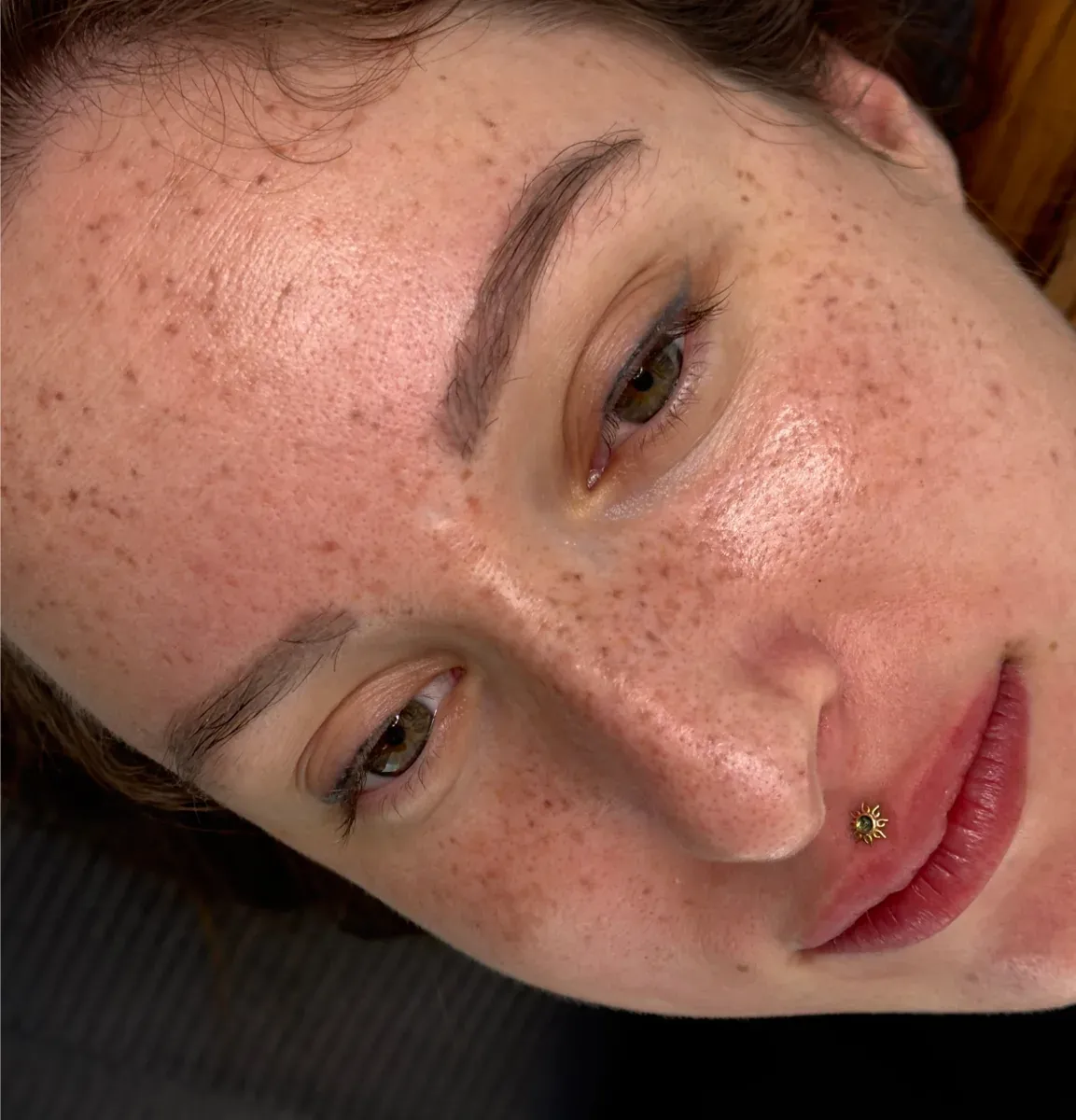
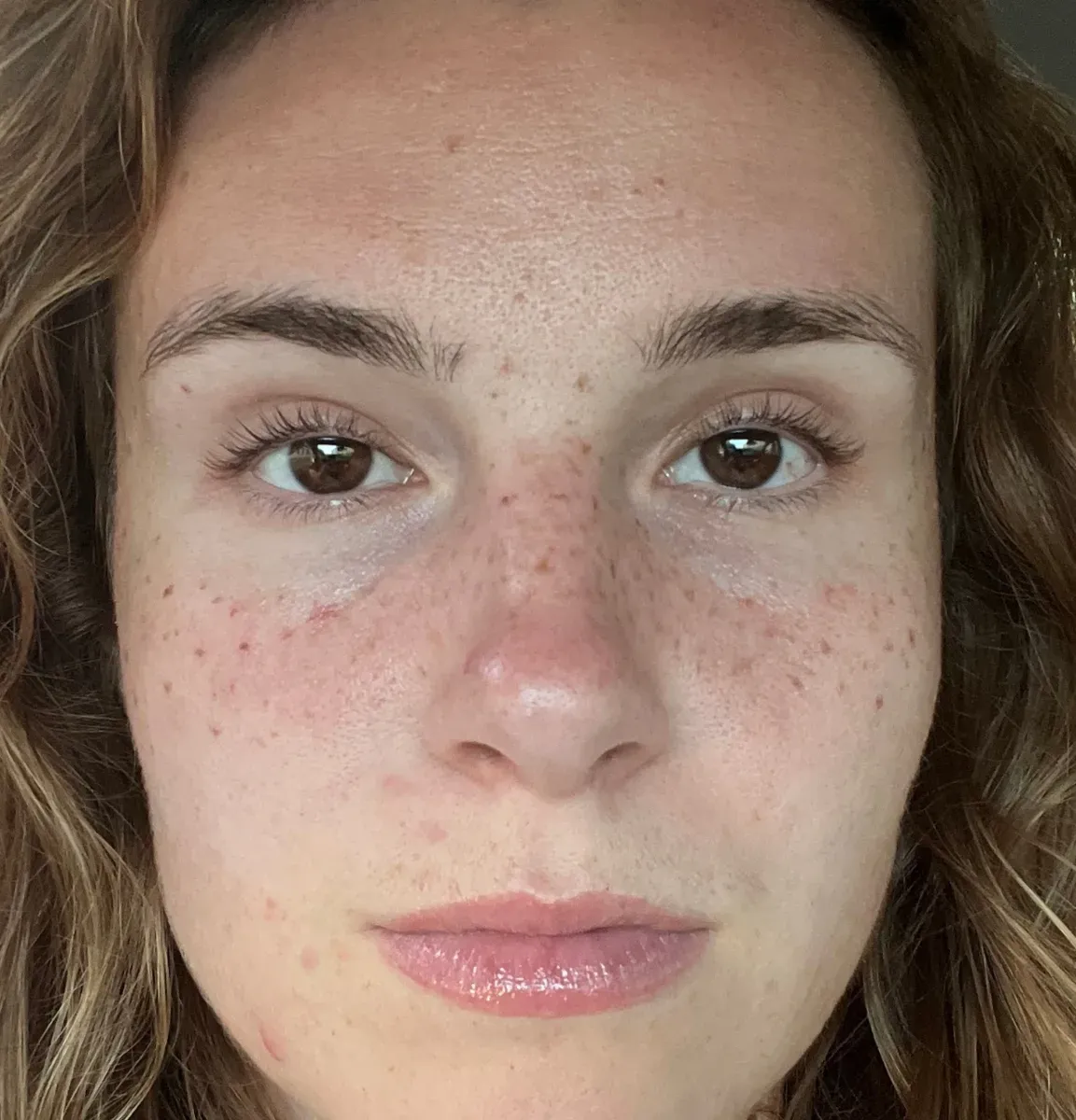
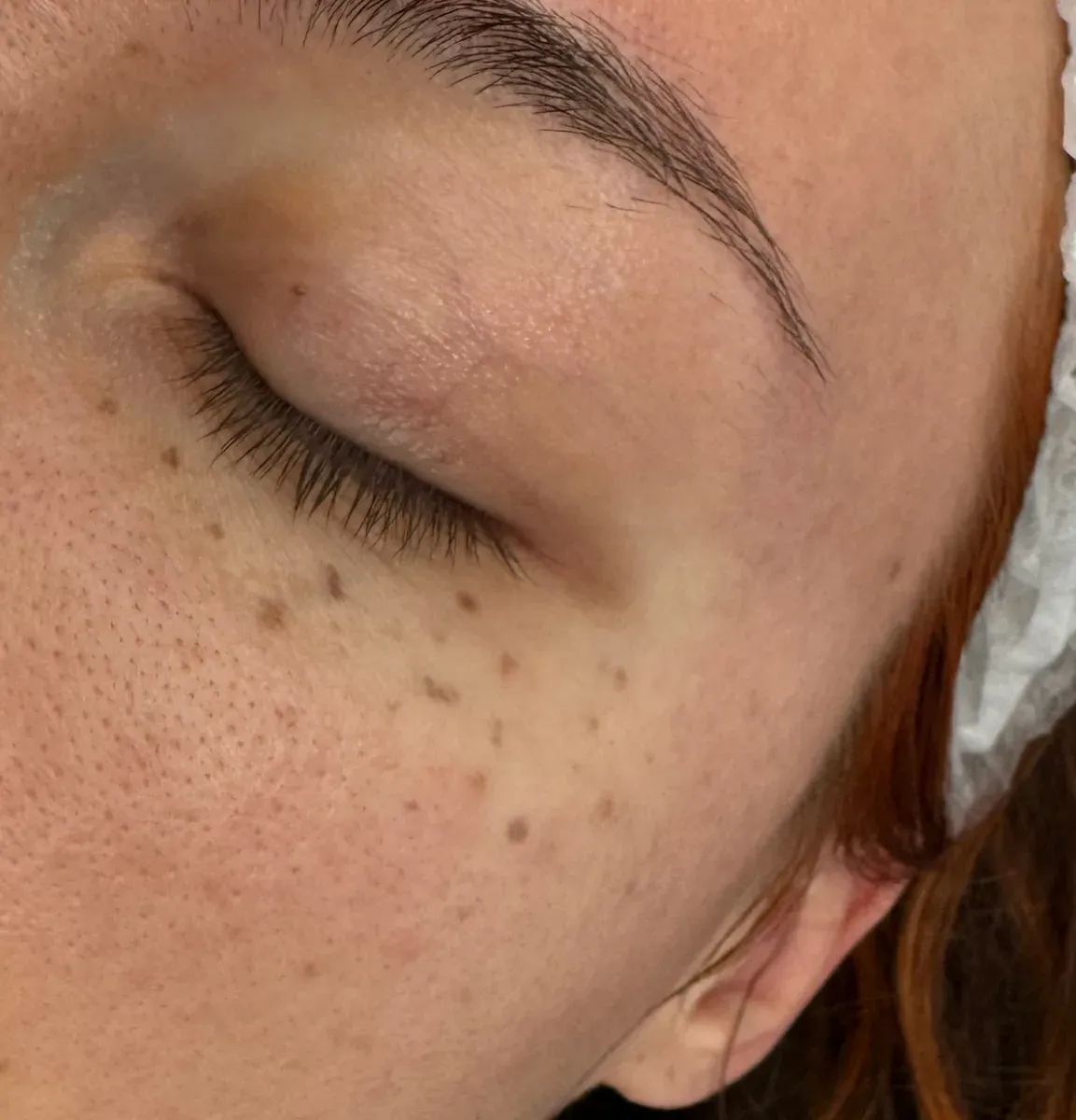
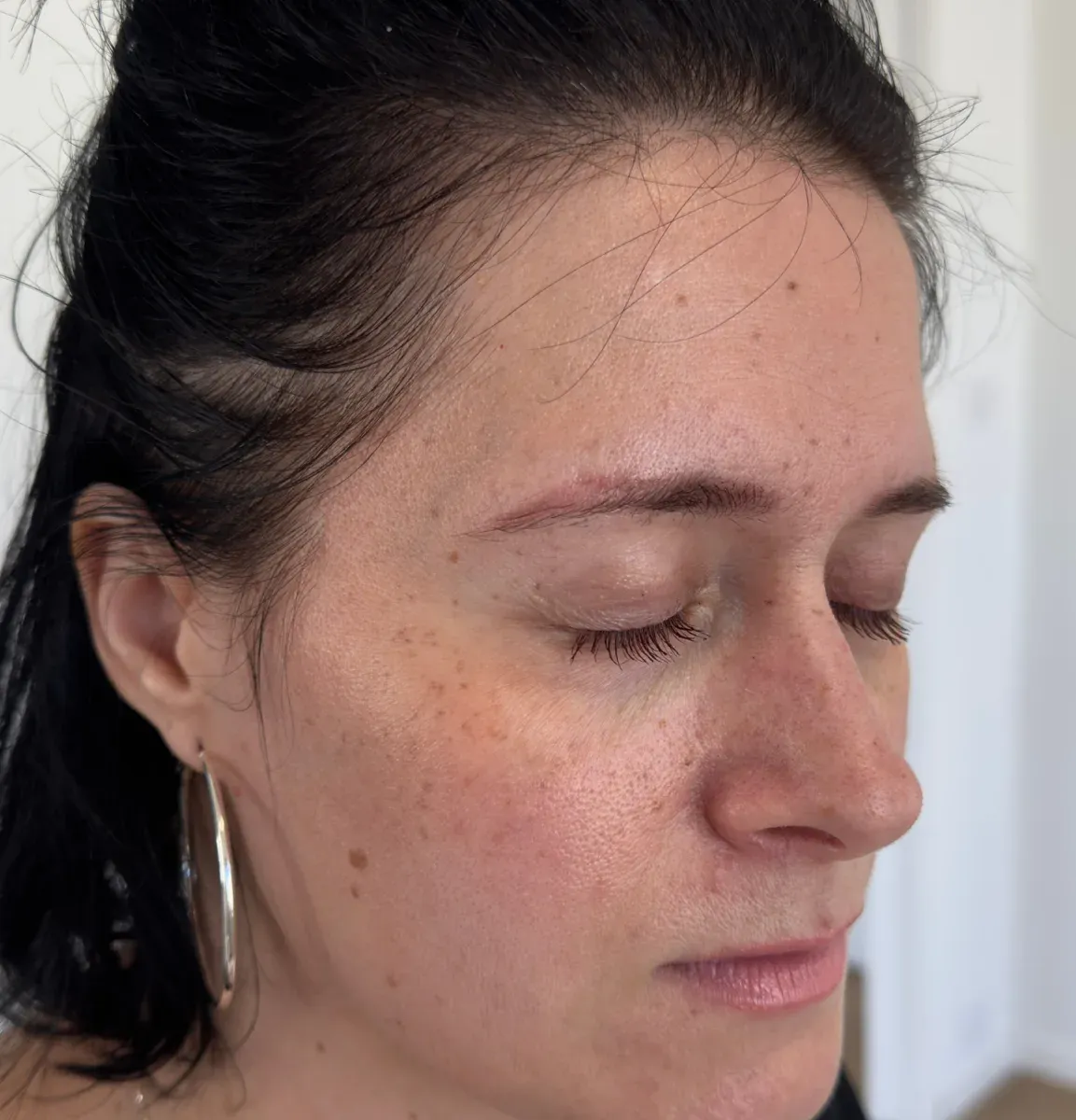
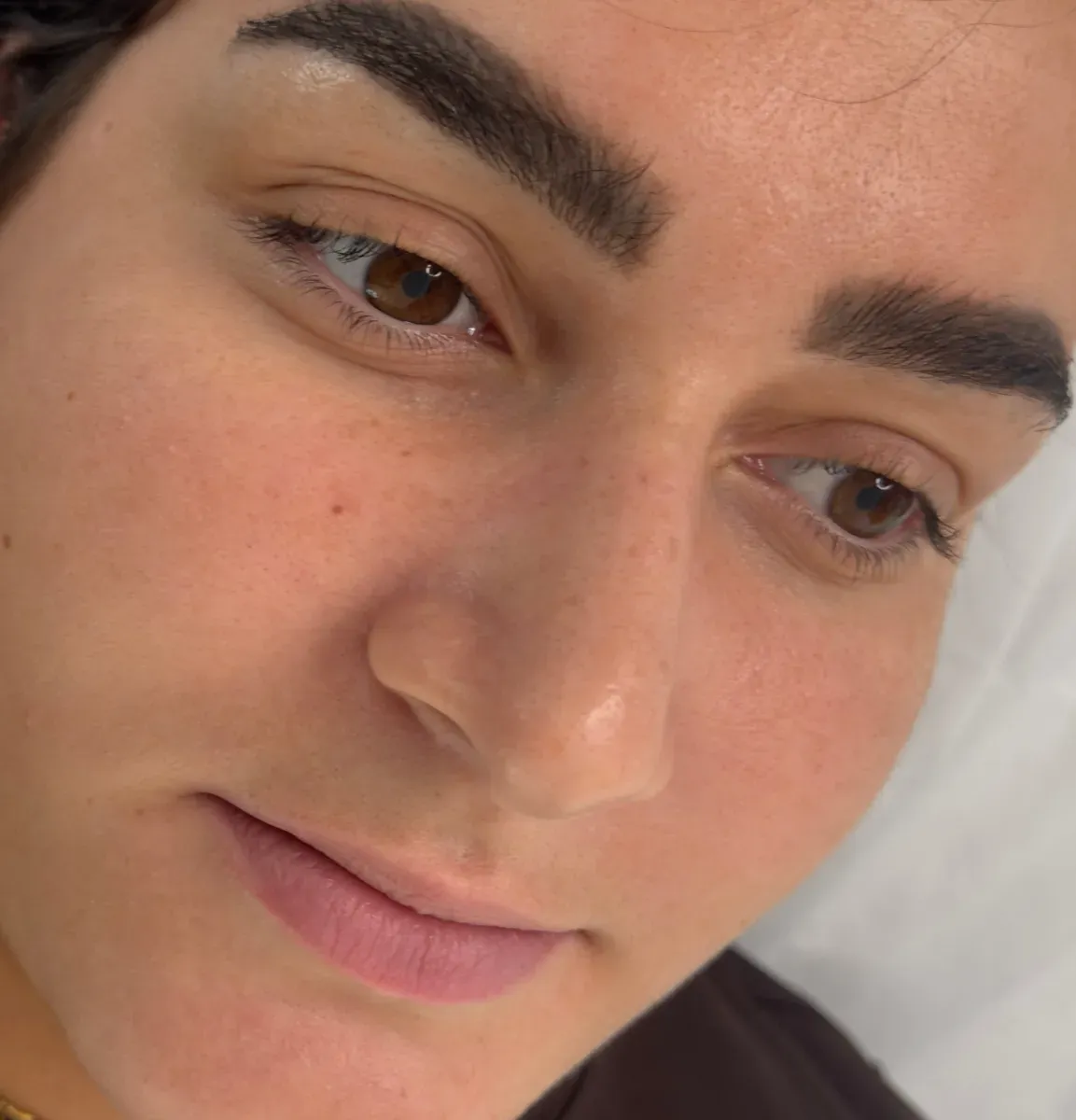
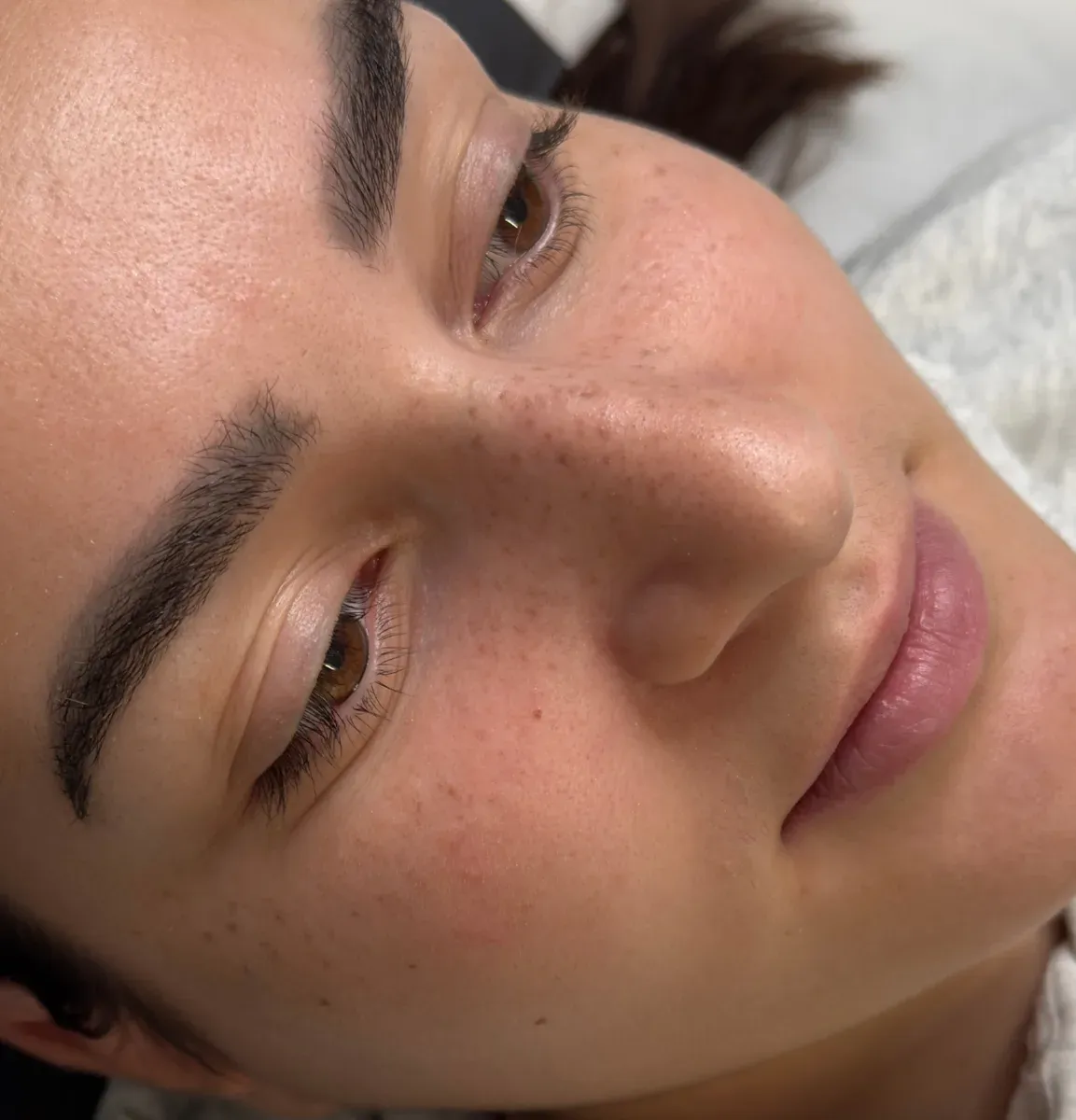
Want to see what real tattooed freckles look like right after the session, once healed, and then touched up? Here's what changes during healing depending on your skin type, what the touch-up can do, and how long healed tattoo freckles last.
Key takeaways
- Right after, the freckles are darker: you see the final color after 1 month.
- On oily skin, it's almost impossible to go wrong: the result always looks natural.
- At the touch-up, you can add freckles or extend the area.
- It's the shortest-lasting treatment: they're gone within 1 to 2 years.
Fresh vs healed tattoo freckles, then touched up: two real clients
A photo taken right after the session shows freckles that are darker than the final result. A healed photo shows the real result. And a photo after the touch-up shows the result intensified and corrected. When you look at an artist's work, always ask to see healed results.
What changes depending on your skin type
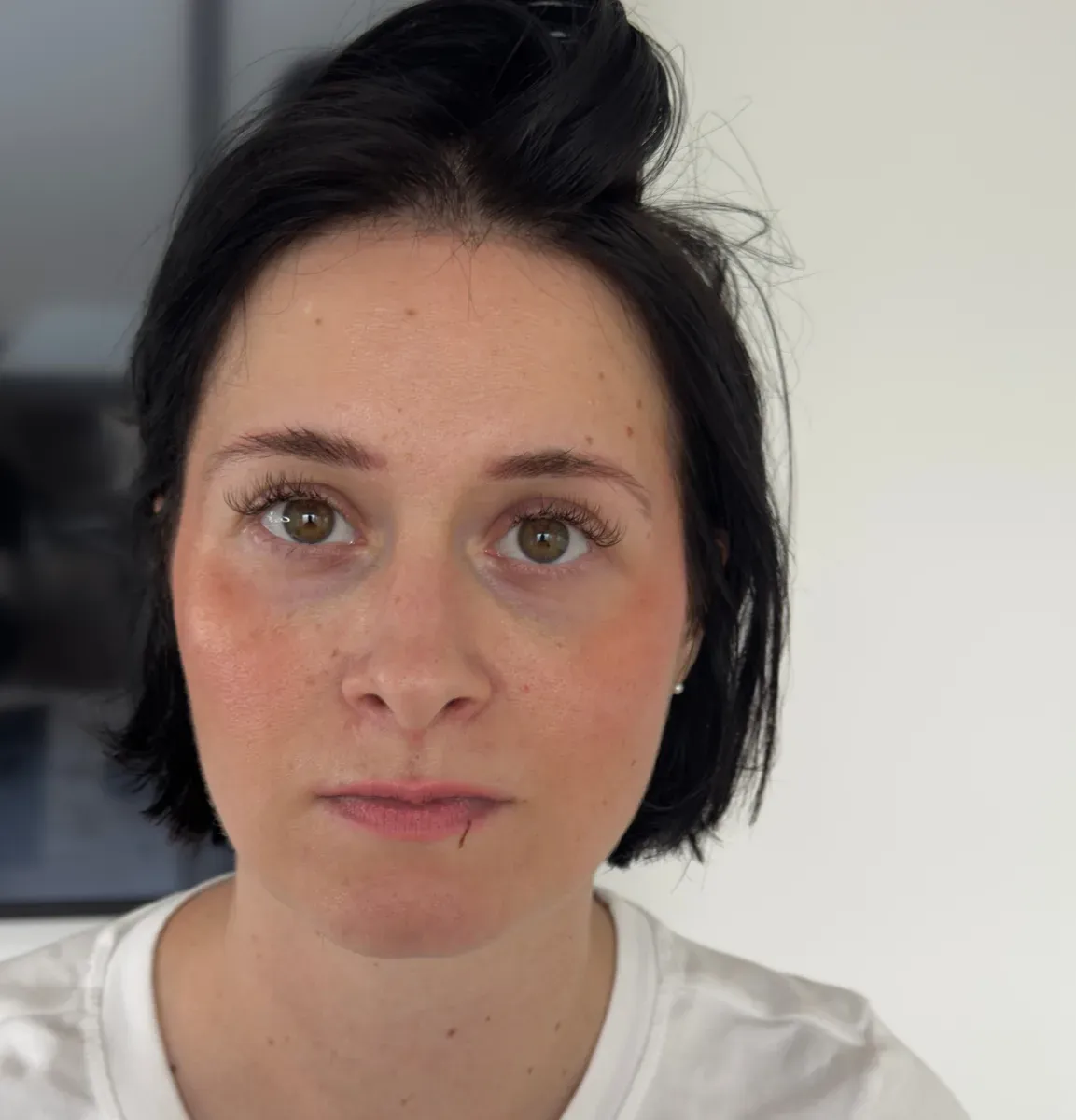
During healing, the freckles get lighter. Some blur a little, others disappear. And it all depends a lot on your skin type:
Oily skin
The freckles blur a little, get lighter, and some disappear. That's a real plus: it's almost impossible to go wrong, the result always looks natural.
Dry skin
The pigment doesn't blur. The artist has to work with a very light hand and not go too deep.
Thin skin
Pigment shows up very clearly on it: you need to keep it light.
Normal skin
The happy medium: very good results.
Mature skin
It takes pigment very well and tends to cool it down: the pigment needs warming up. Often, no touch-up is needed.
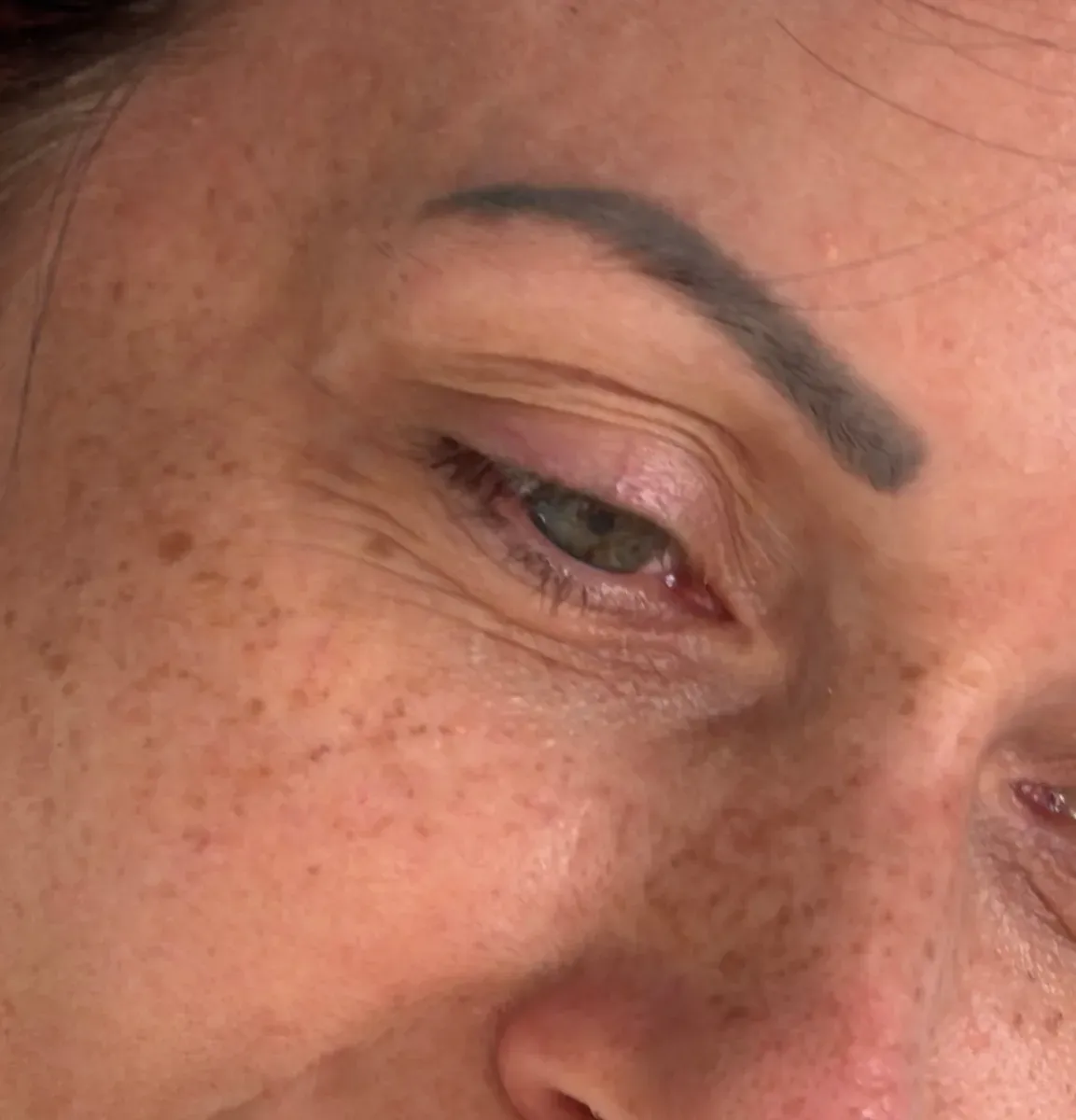
The touch-up: intensify, redo, and even add
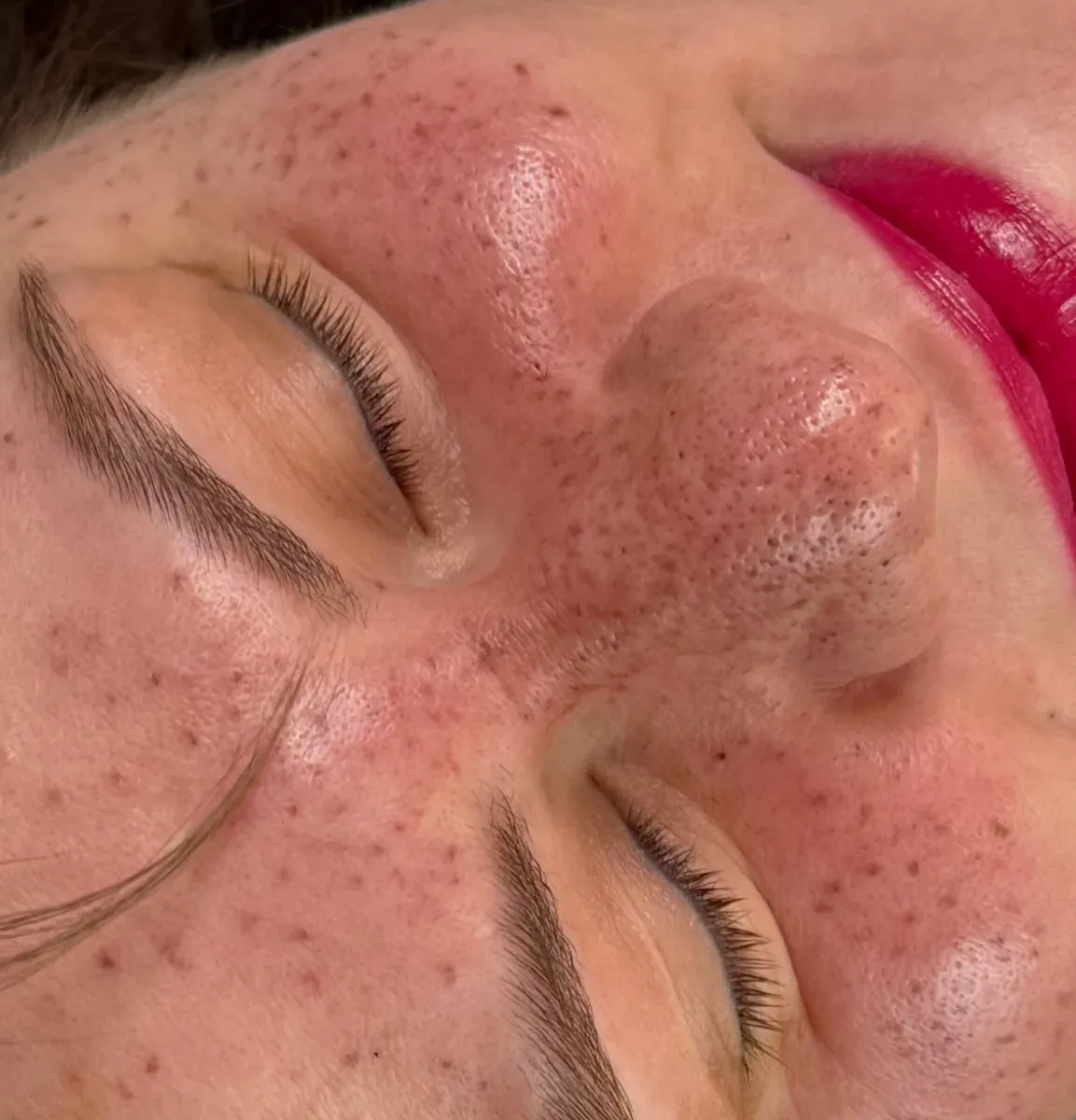
The touch-up takes place one month after the first session, once healing is complete. We look at what's left and adapt. It comes in two forms:
Intensify
The pigment is there, but too subtle: we strengthen the light areas.
Redo
The pigment has almost completely disappeared: we start from scratch.
And you can take the opportunity to add freckles: for example, a client chooses just the nose for her first session, so she doesn't overdo it, then wants some on her cheeks too at the touch-up. That's totally possible.
Who will need a touch-up?
From the very first appointment, the artist can predict it with two questions. Your age: before about 45, the skin rejects more pigment and the touch-up is often useful; from 45 on, it's often optional. Your skin type:
| Your skin | What we see once healed | Touch-up |
|---|---|---|
| 🌵 Dry | The pigment holds easily: crisp, clearly visible freckles. Be careful not to overload. | Rarely |
| ⚖️ Normal | The pigment holds well: even healing, visible freckles. | Not always |
| 💧 Combination to oily | The pigment holds less: a blurrier, more diffused result. | Necessary |
The factors add up
A young client with oily skin: two unfavorable factors, the touch-up is essential. A mature client with oily skin: one favorable factor and one unfavorable, the touch-up is uncertain. And the yearly touch-up follows exactly the same principle.
How long freckle tattoos last
Freckles are the permanent makeup treatment that lasts the shortest time. The reason: they're often on the T-zone of the face (nose, forehead, upper cheeks), where there's the most sebum and sweat.
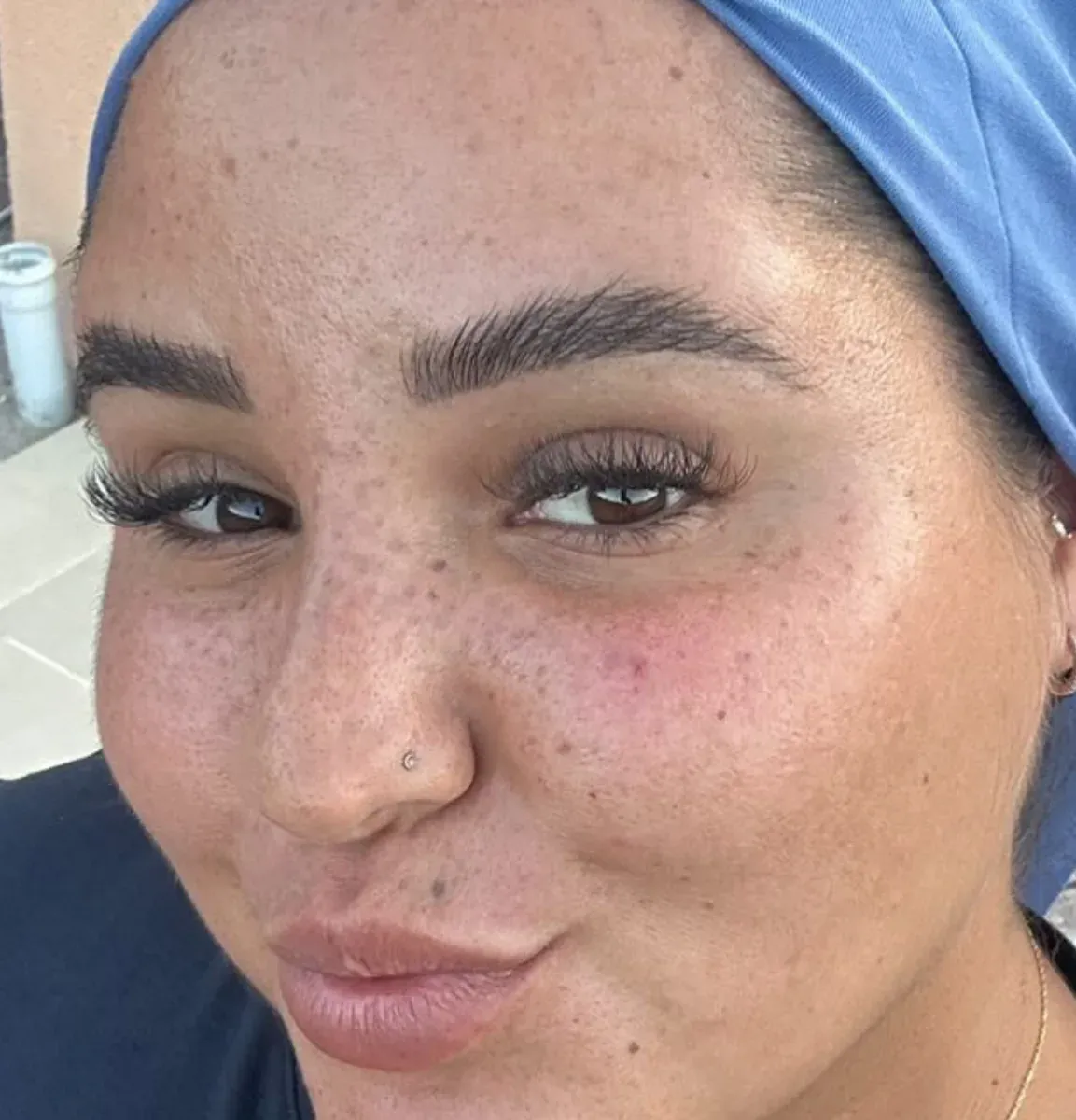
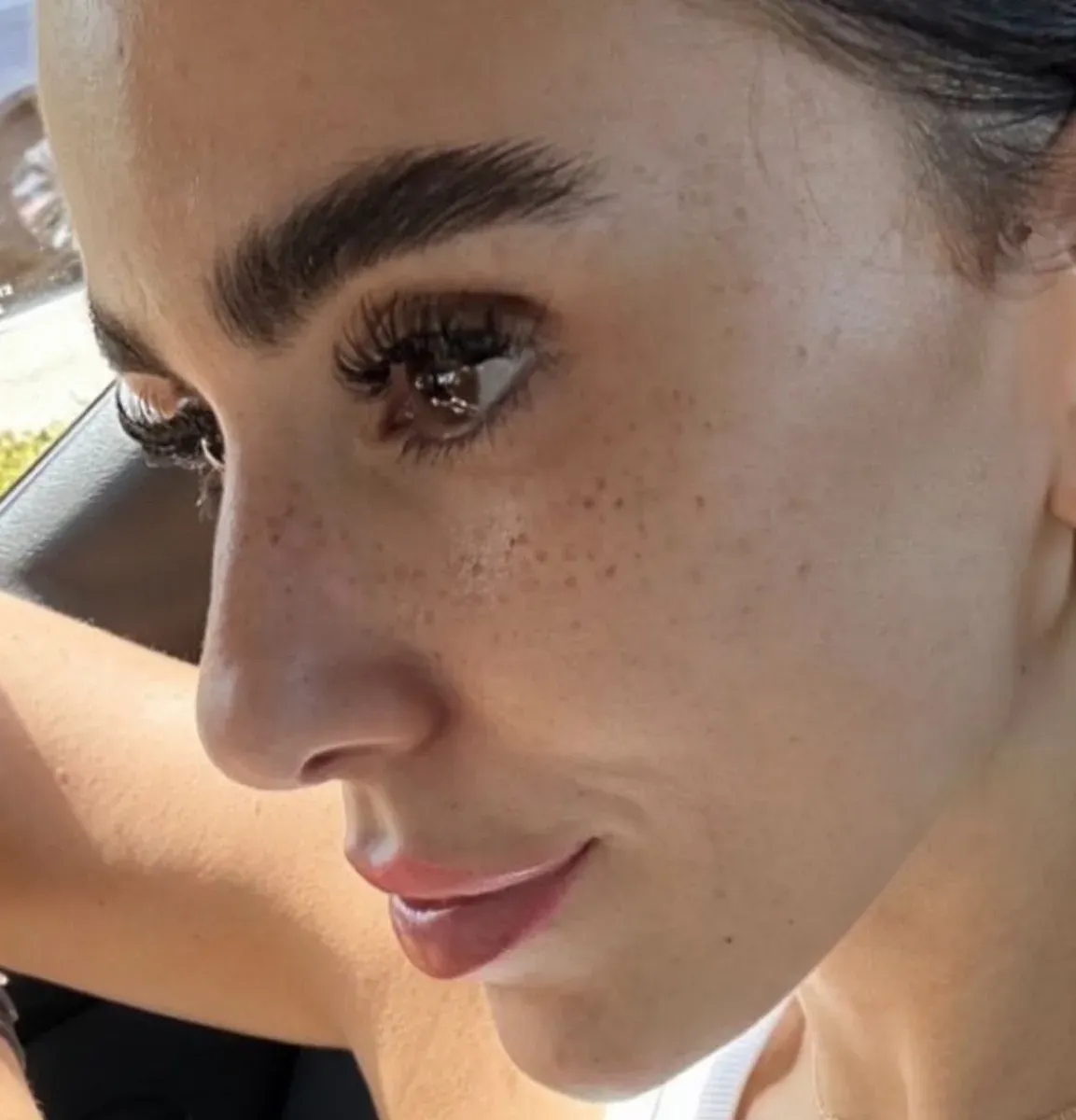
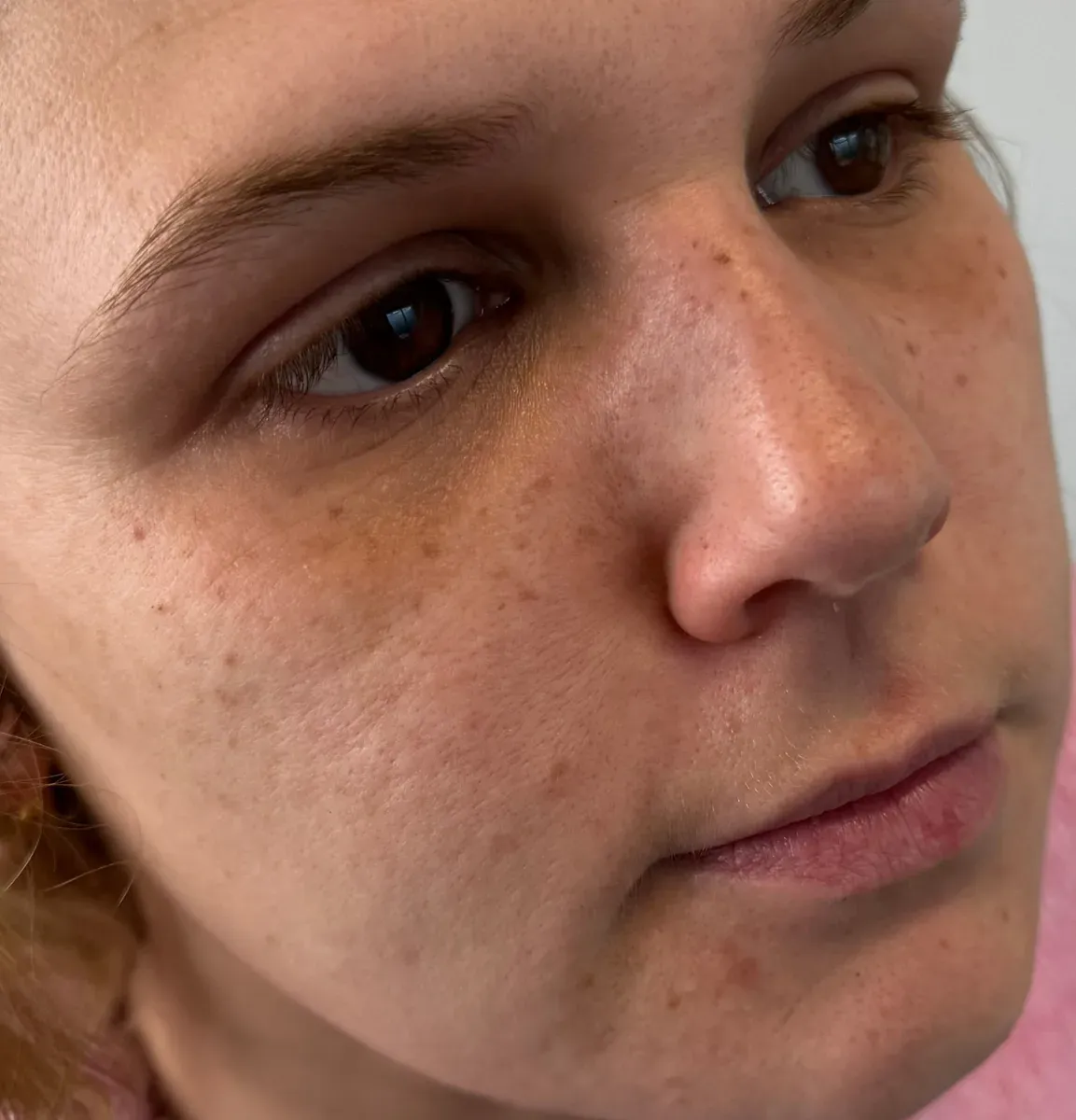
“Better to touch up more often and keep very light freckles than to overload them so you pay for fewer touch-ups.”
 Habiba Med
Making your freckles last
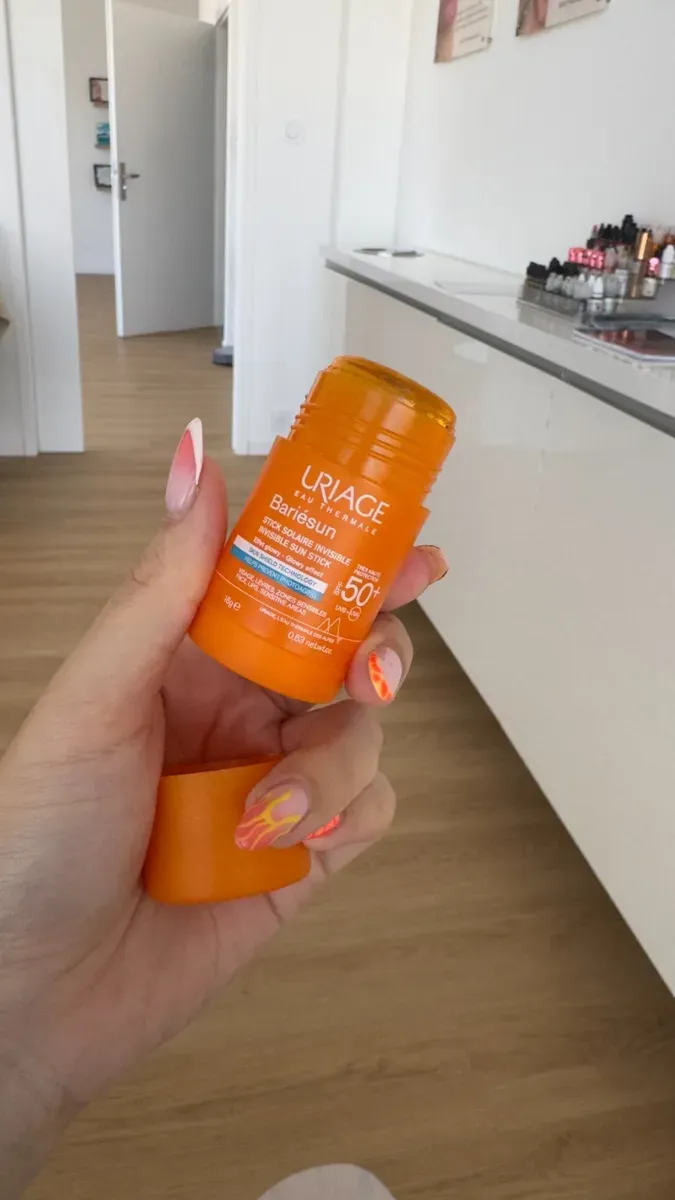
- Protect your face from the sun with SPF.
- Avoid peels, scrubs and acid-based products on the area.
- Plan a maintenance touch-up when you feel you need one.
- Day-by-day aftercare: the freckle tattoo healing process.
Frequently asked questions
Usually by 30 to 50% compared with the first few days.
After 1 month.
Yes, especially if they stay light and irregular. On oily skin, they almost always look natural.
Yes, or extend the area: remember to ask whether it's included in the price.
Because the color lightens during healing.
No: they're gone within 1 to 2 years.
Because they're on the T-zone of the face, which is rich in sebum and sweat.
It's recommended to keep them light and natural: once a year, or even every 6 months.

Written by
Habiba Med
Permanent makeup artist since 2019 and trainer, I share what I see every day in my studio to help you make the right choices.