Habiba Med
You don't like your permanent makeup: too dark, wrong shape, color that turned orange or blue, an outline that goes past the natural line? Don't worry: in most cases, bad permanent makeup can be fixed. First, make sure it's fully healed. Then, here's which solution to choose for your situation.
Key takeaways
- Don't judge it before healing is complete: 1 month, and up to 2 months for lips.
- If a touch-up can fix it: touch it up. If not: lighten it or remove it.
- Orange: a glycolic acid remover. Blue, gray, too dark: laser.
- Never use home remedies to lighten it.
Bad permanent makeup, or not healed yet?
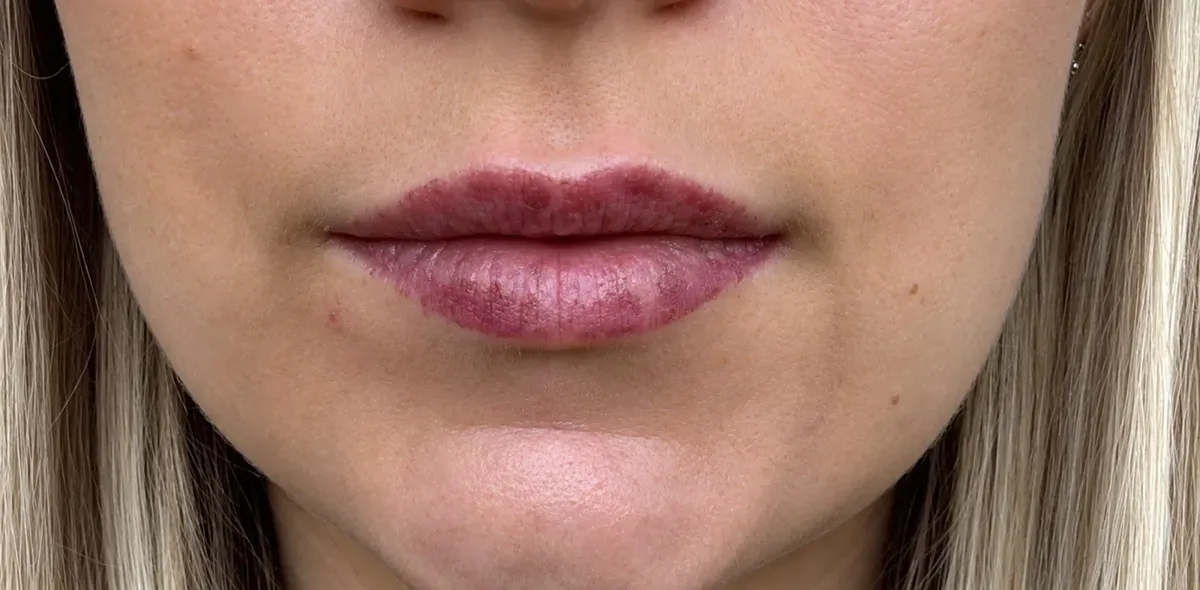
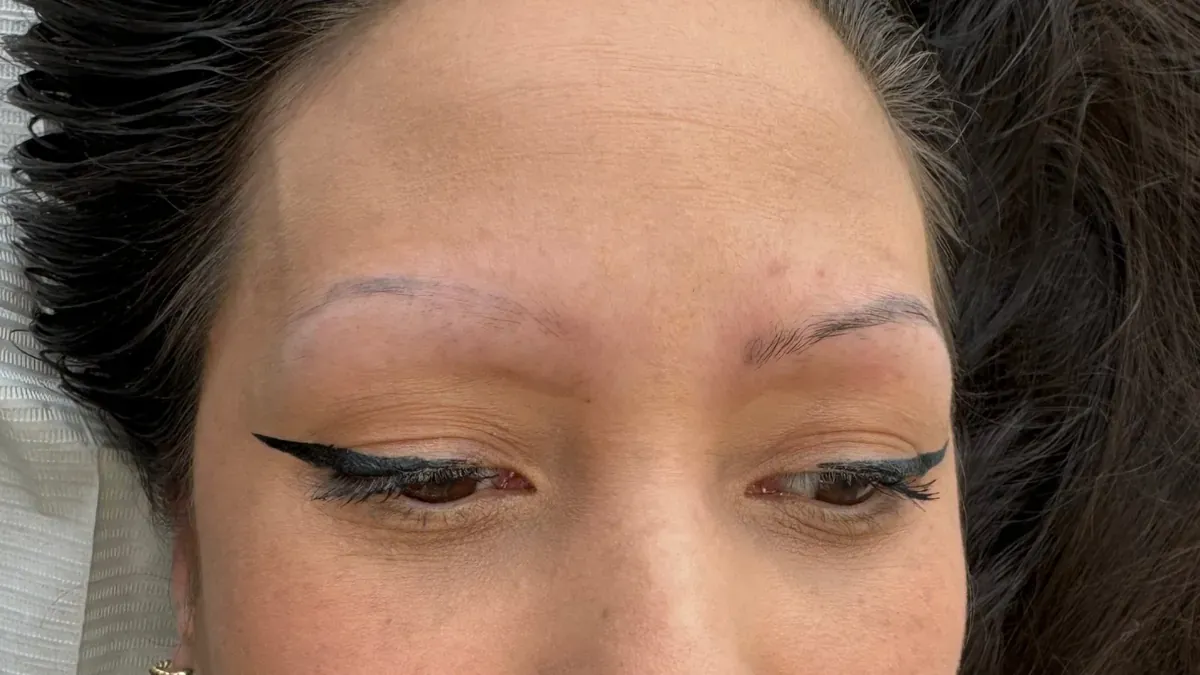
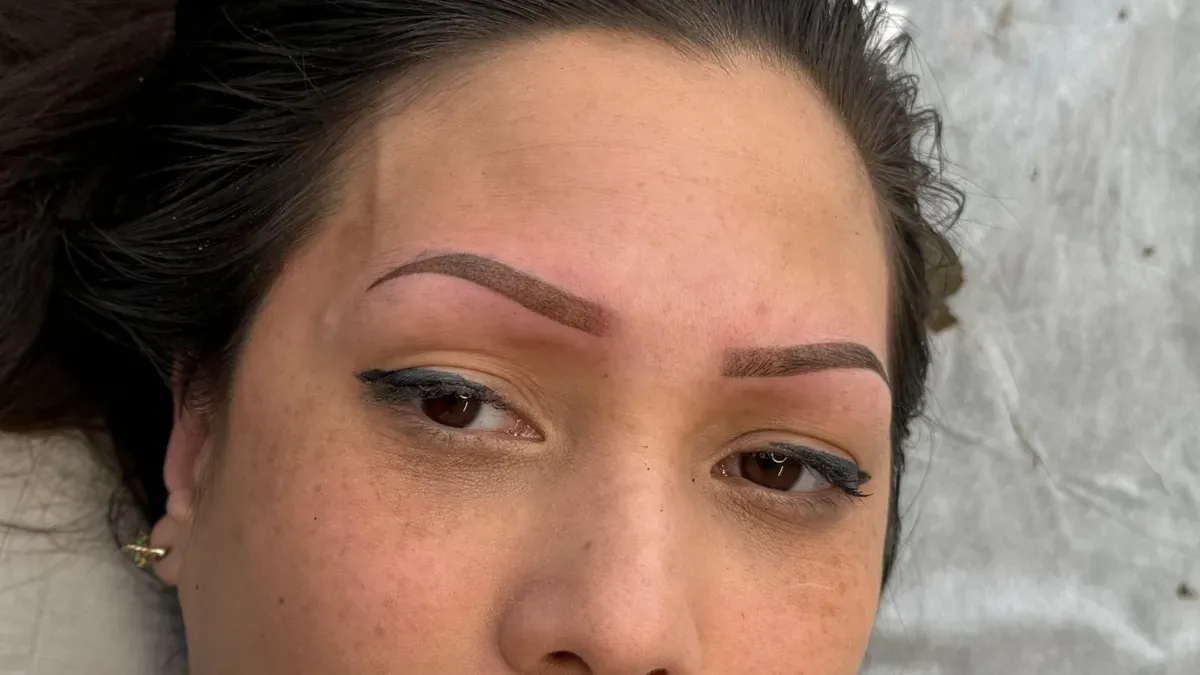
Right after the session, permanent makeup is always too dark. A few days later, it seems to almost disappear. Then the color comes back. Many “botched” jobs aren't botched at all: they're just still healing (see the PMU healing process).
| Area | Wait at least |
|---|---|
| Brows | 1 month |
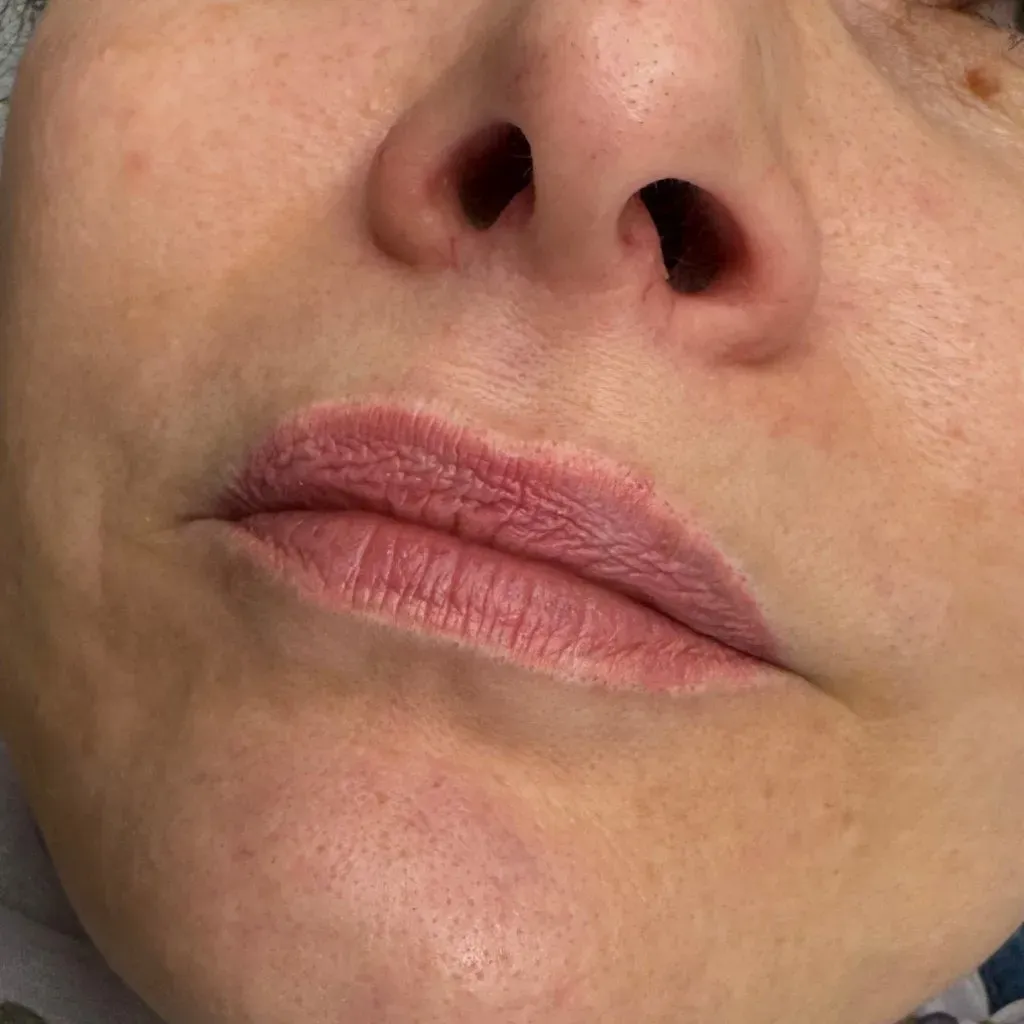
| Lips | 1.5 to 2 months |
| Freckles | 1 month |
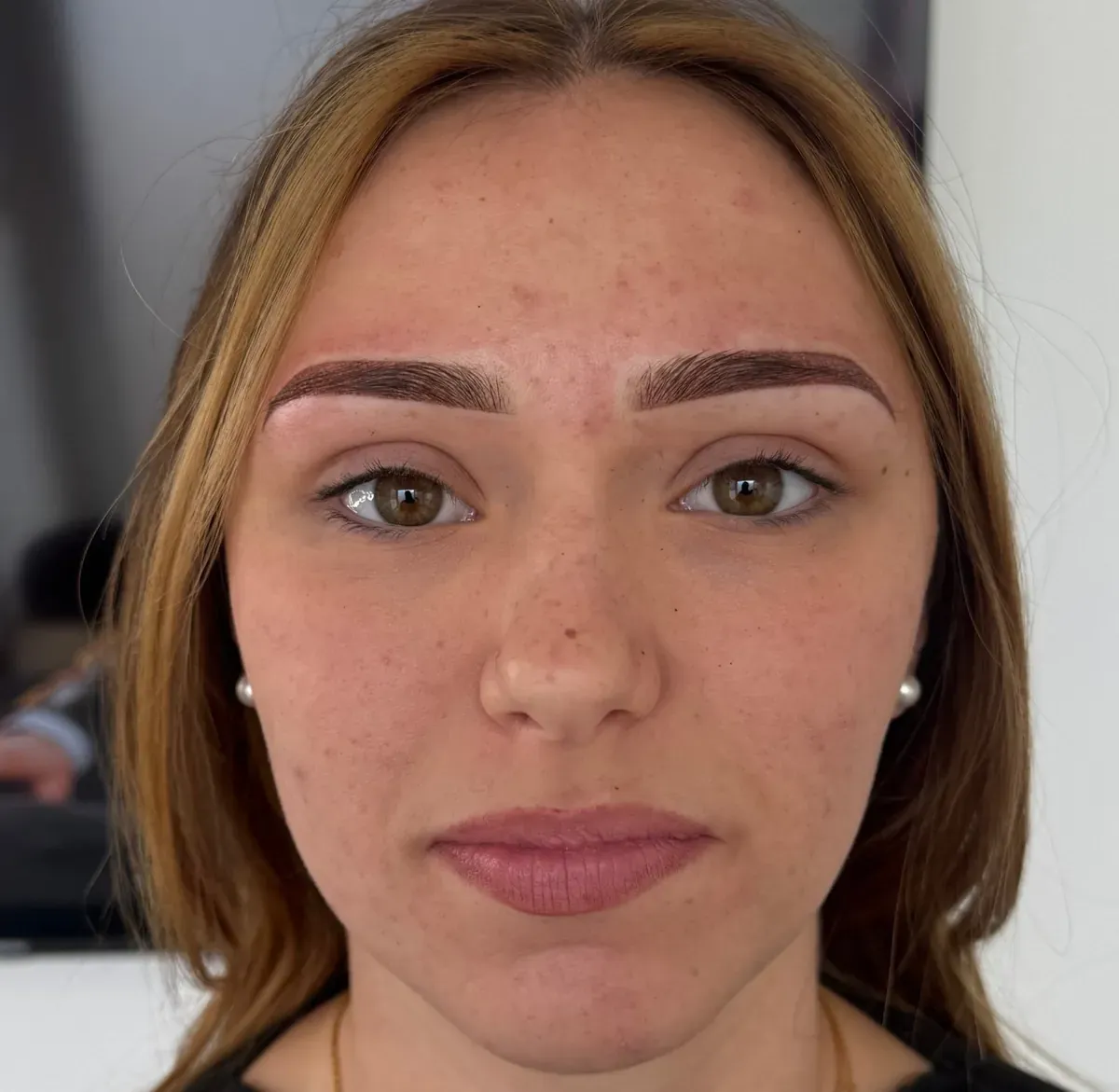
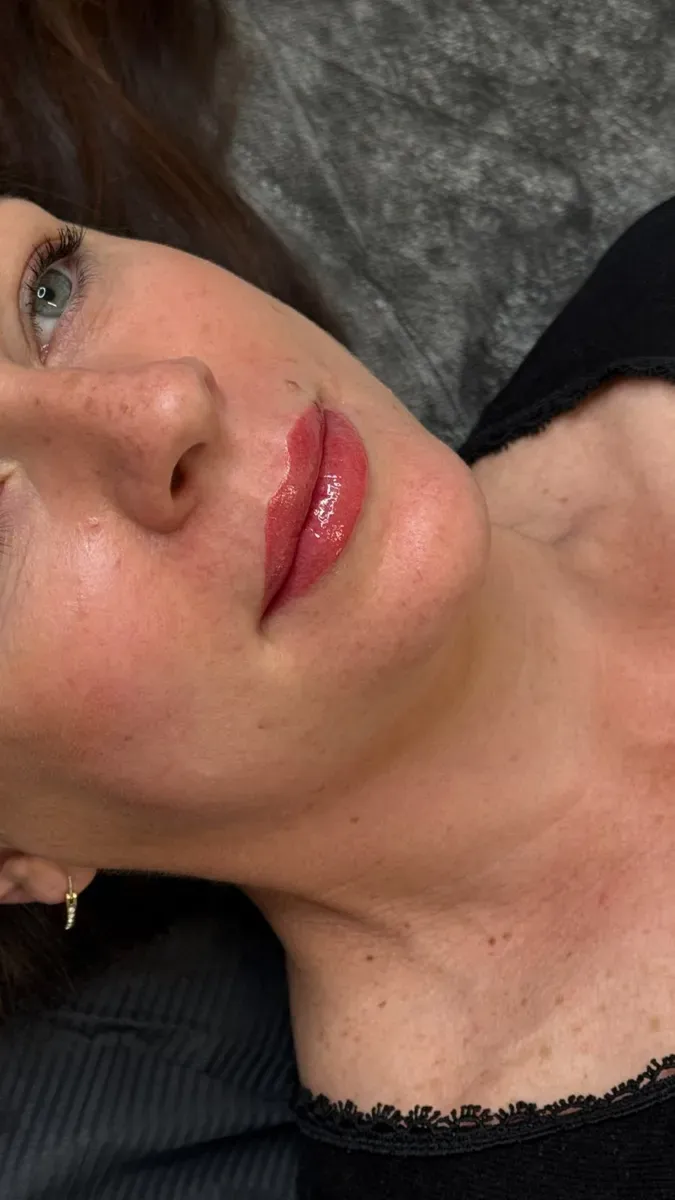
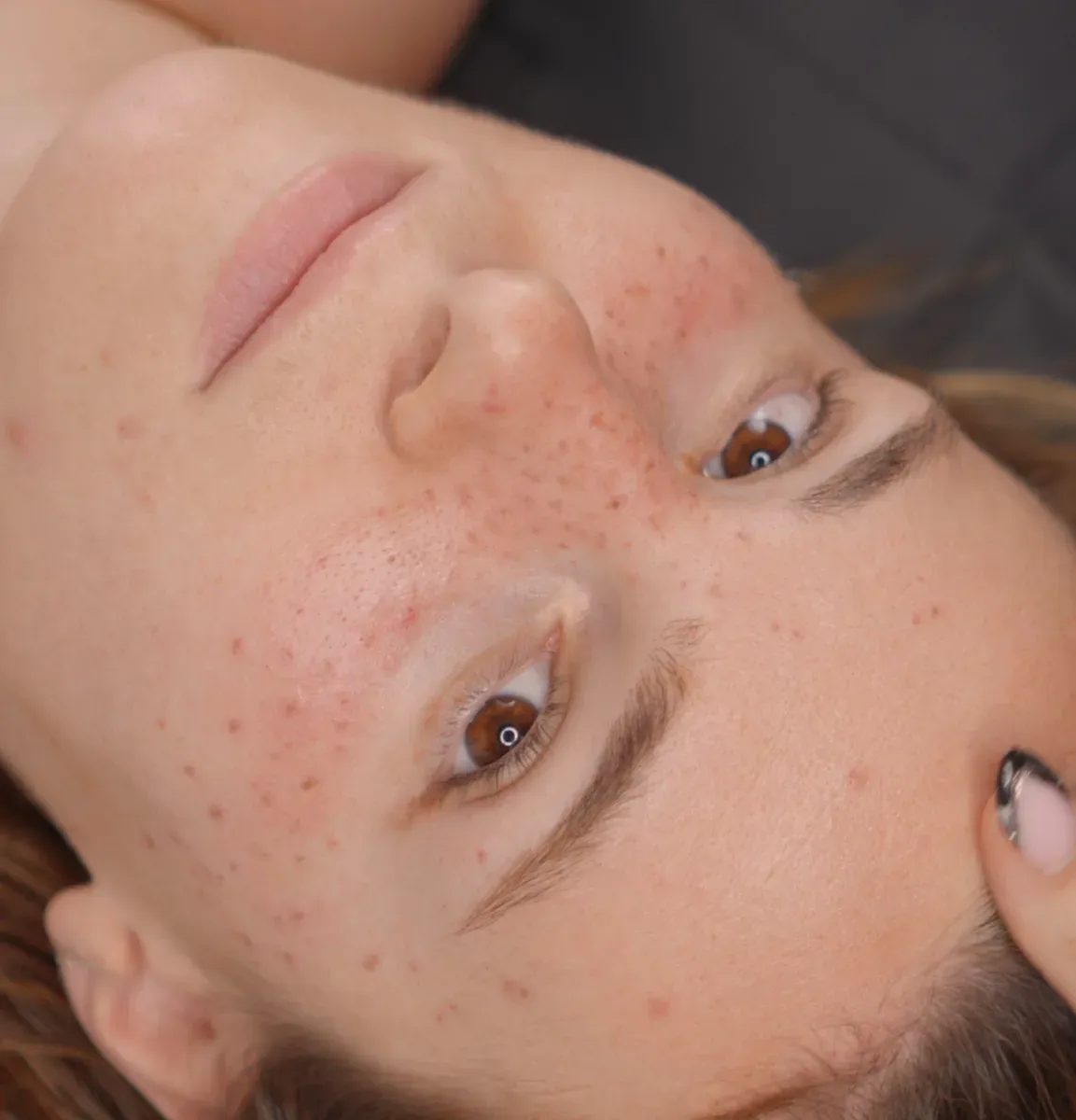
The most common mistakes
The shape
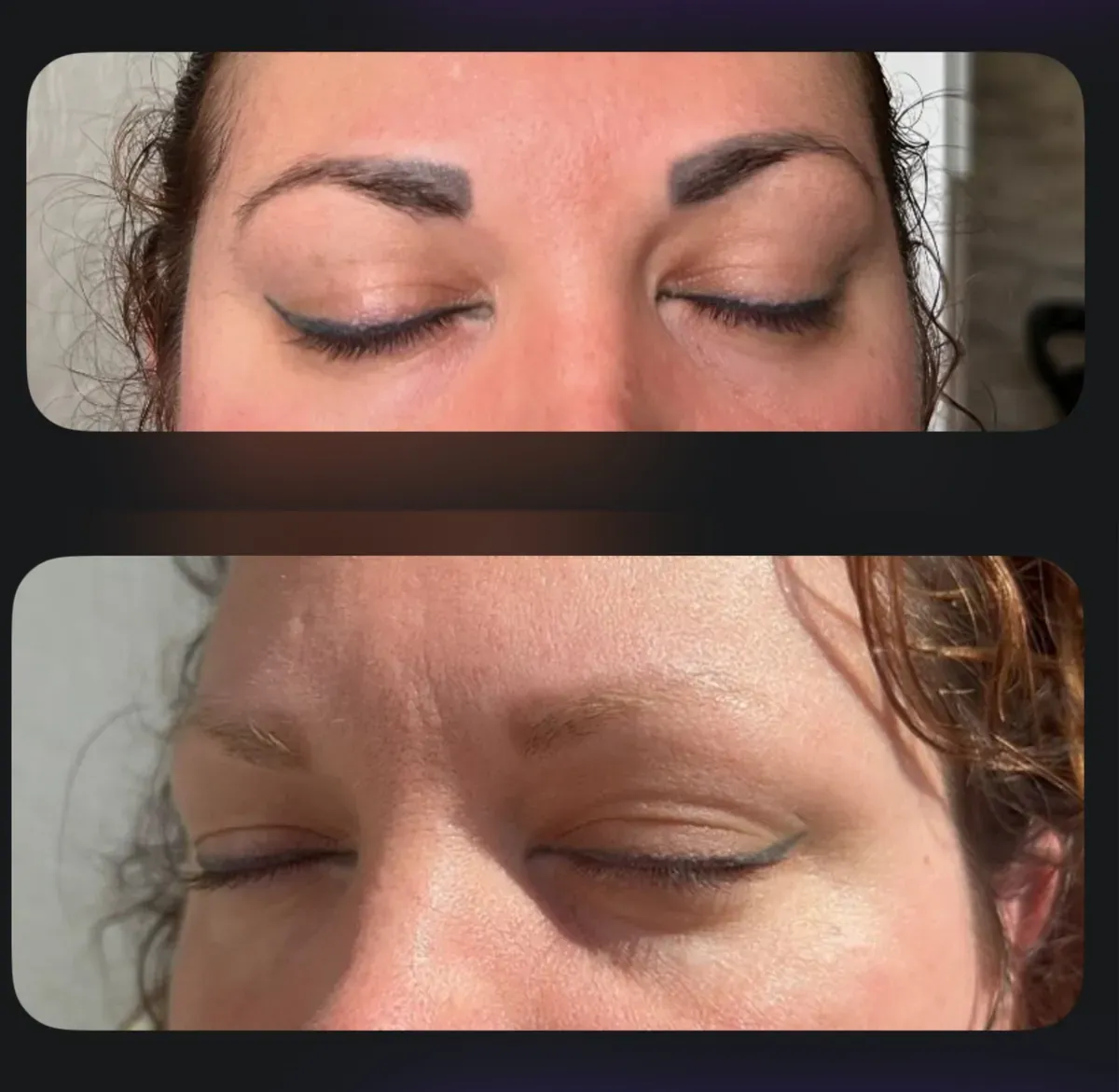
A shape too far from your natural features, an outline that goes past the natural line, strokes that have blurred.
The color
Color that turned orange, gray or blue, or an old lip liner that became too dark.
Saturation
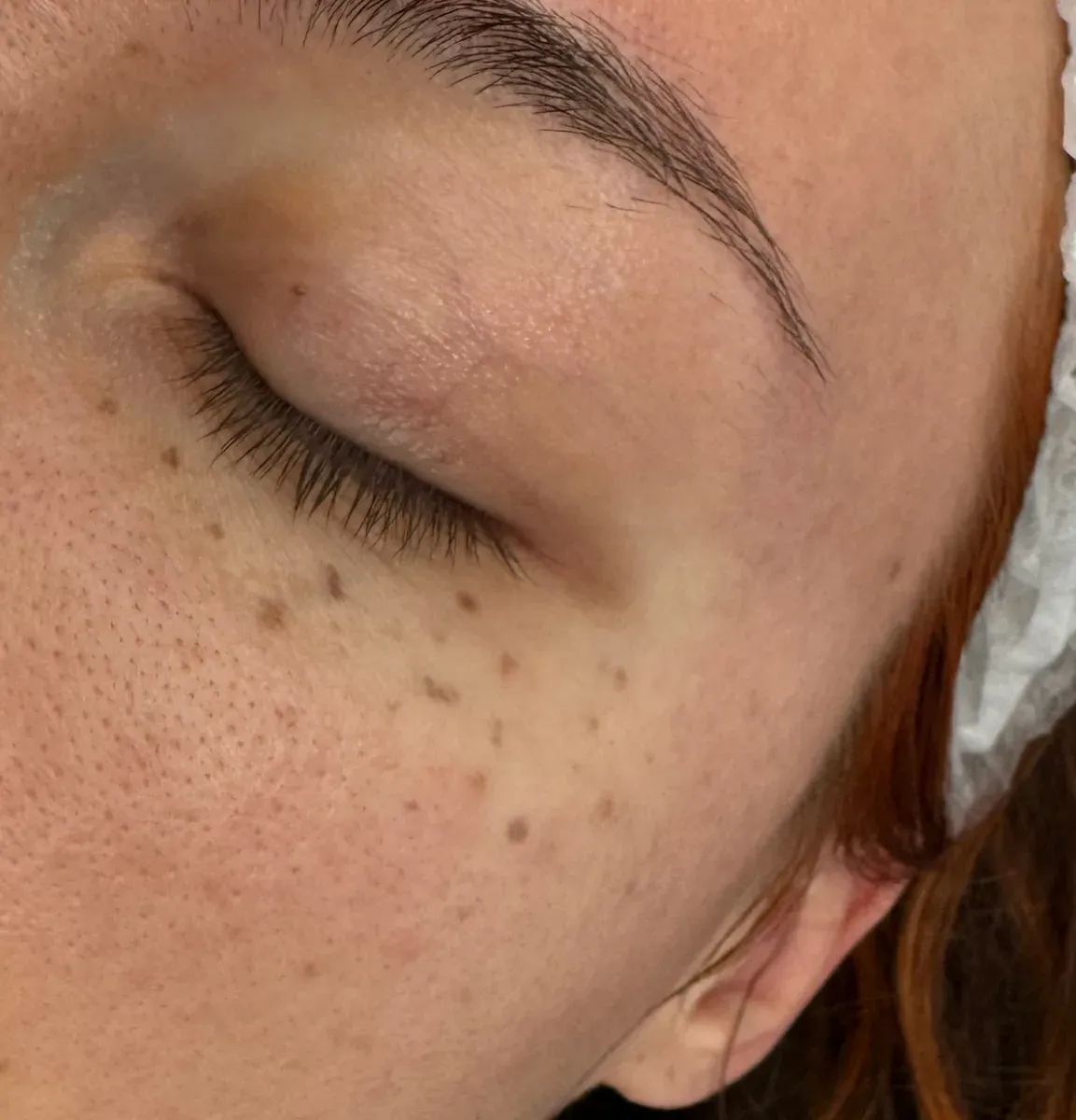
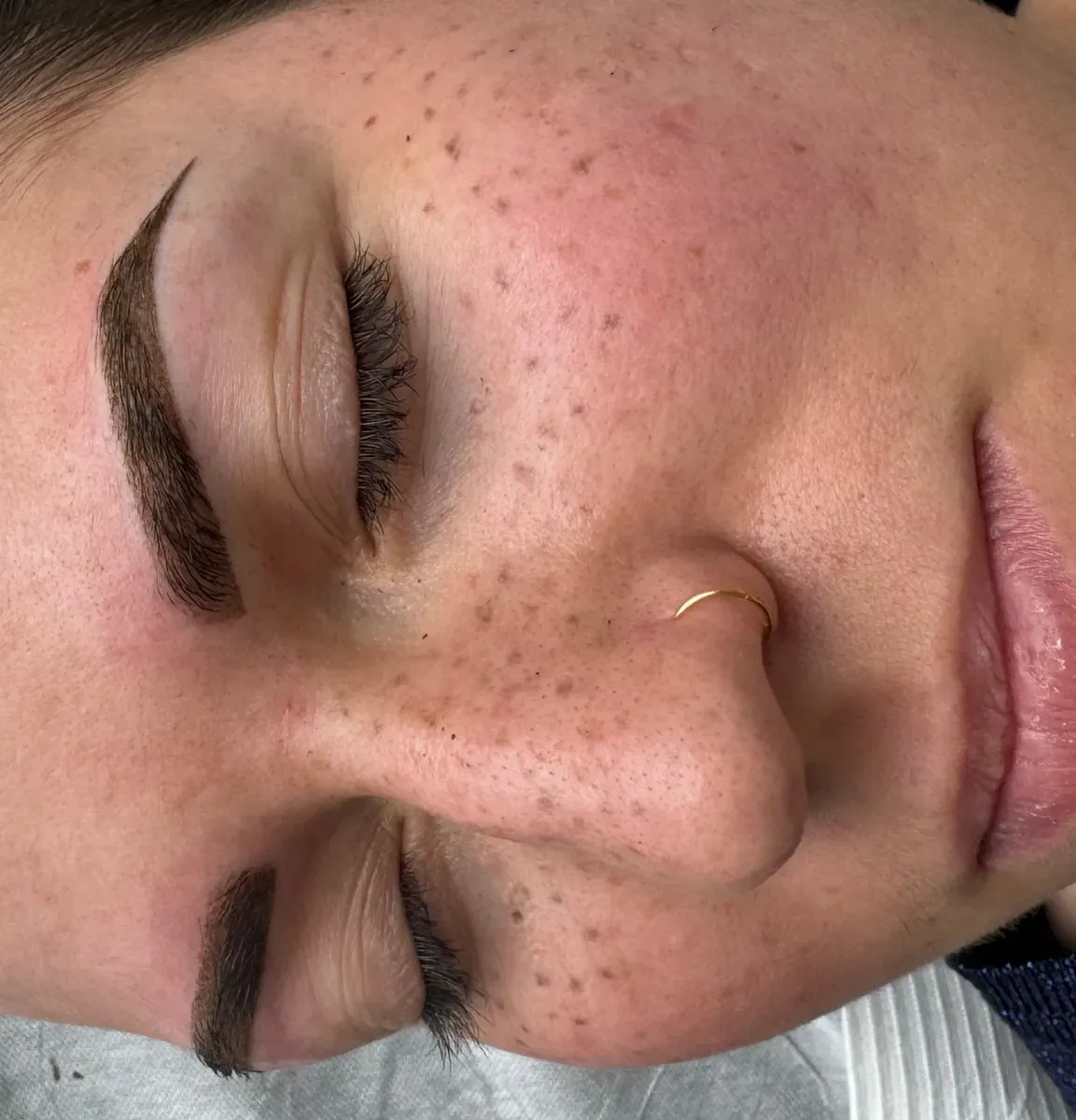
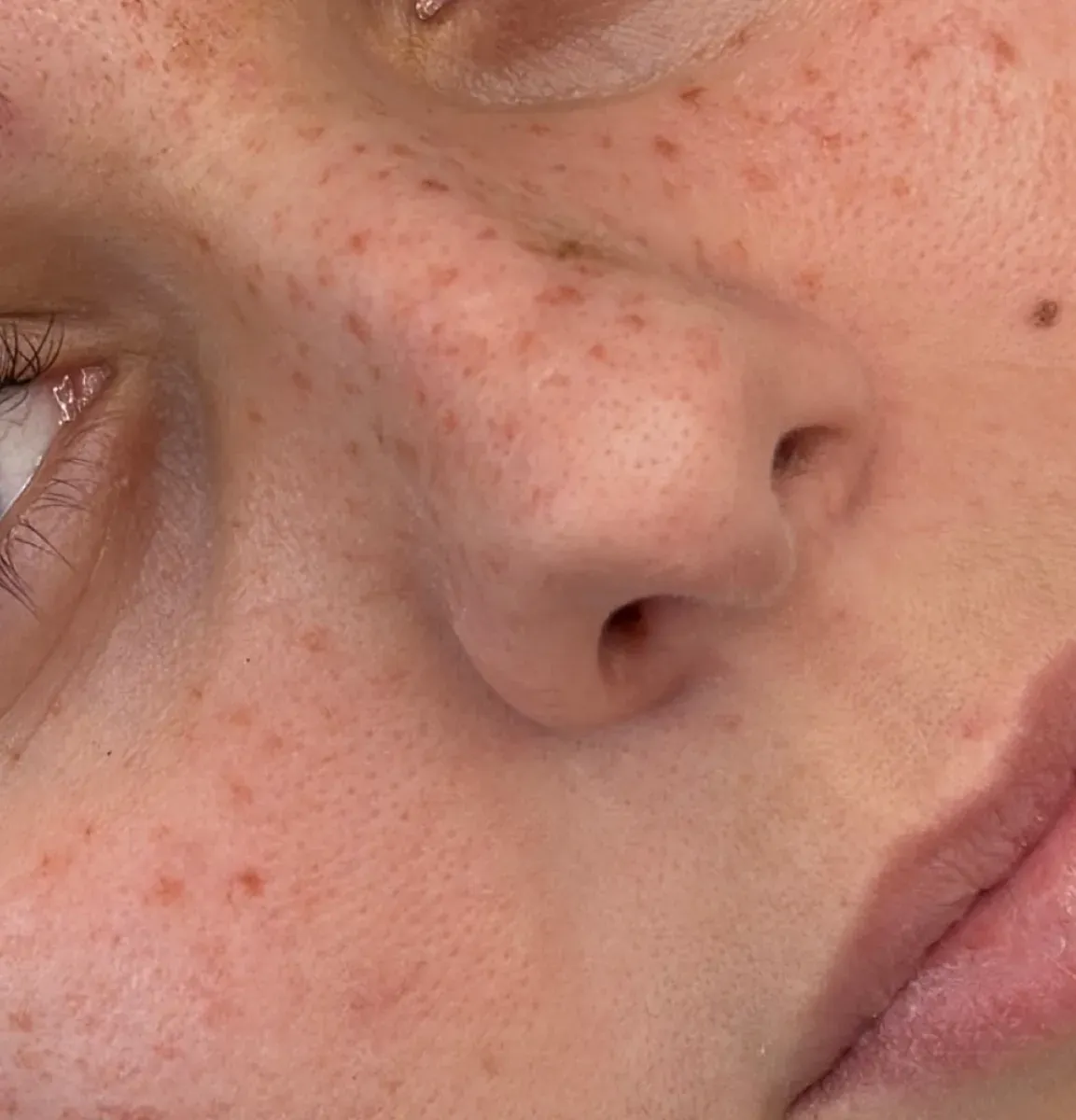
Too much pigment, no transparency: an overly harsh look, freckles that look like moles.
Examples by area
Brows
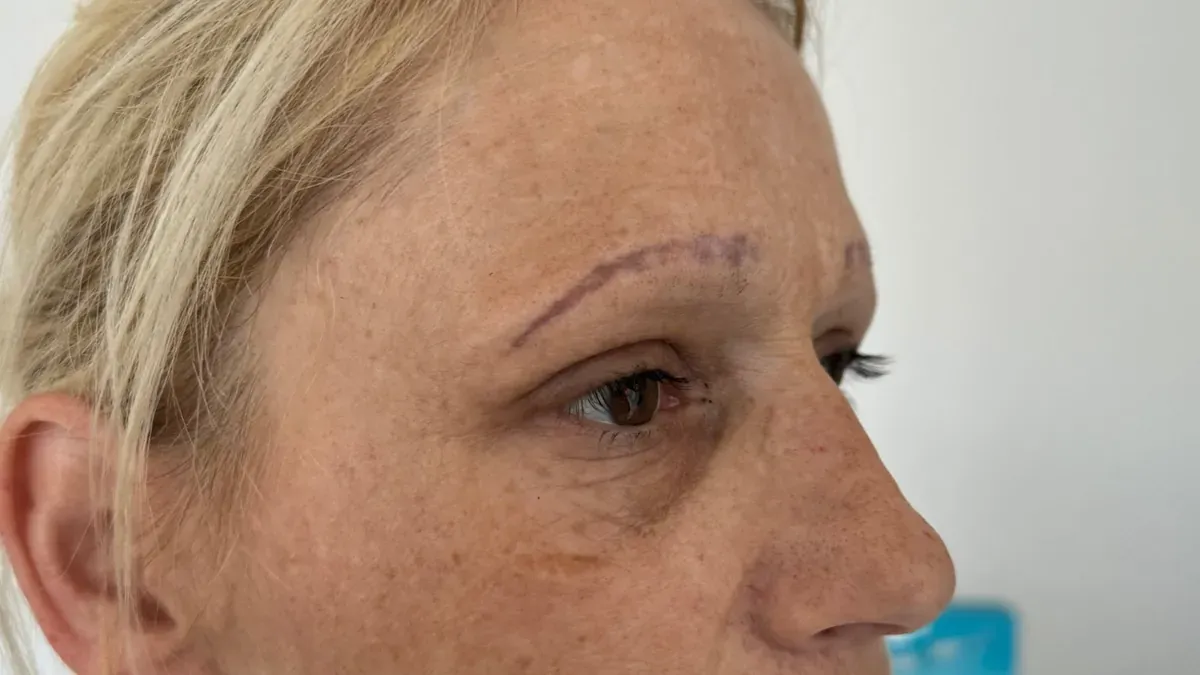
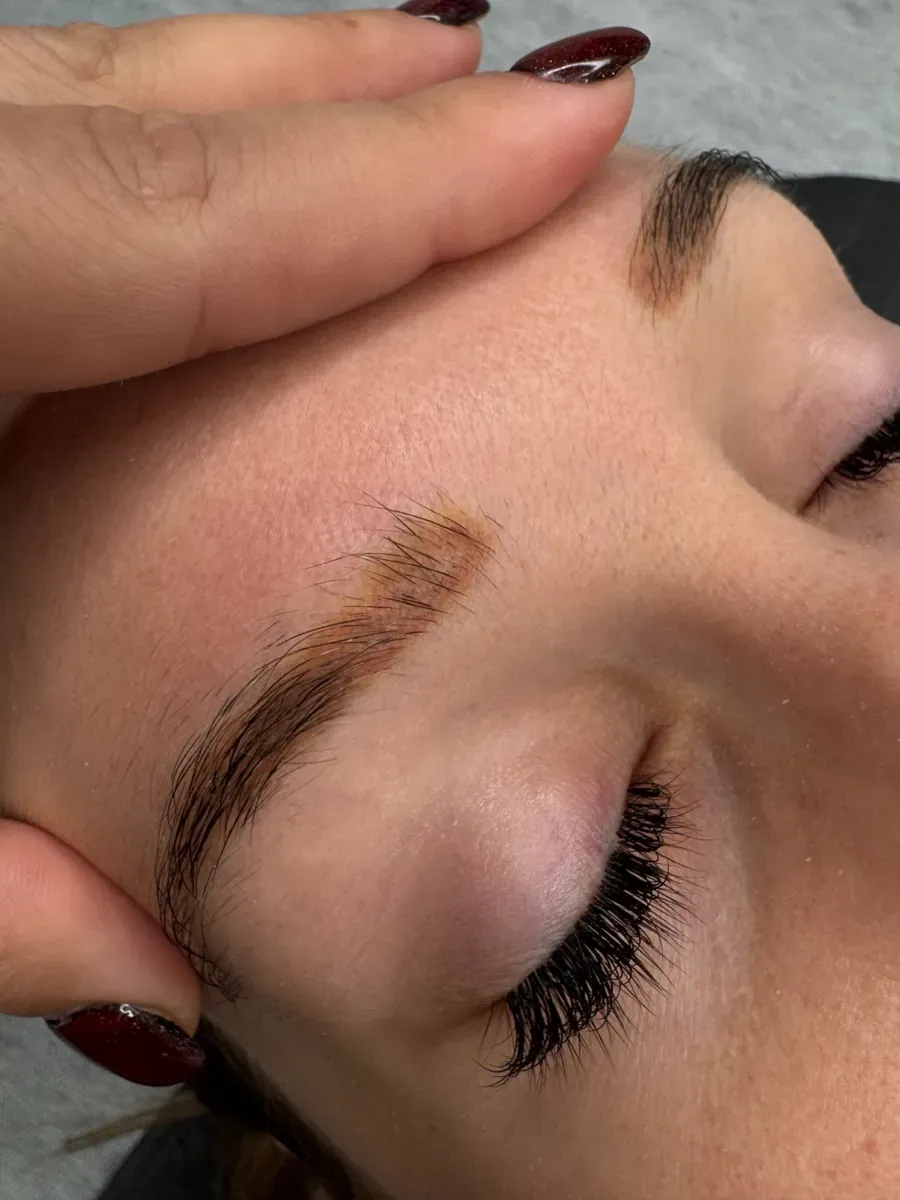
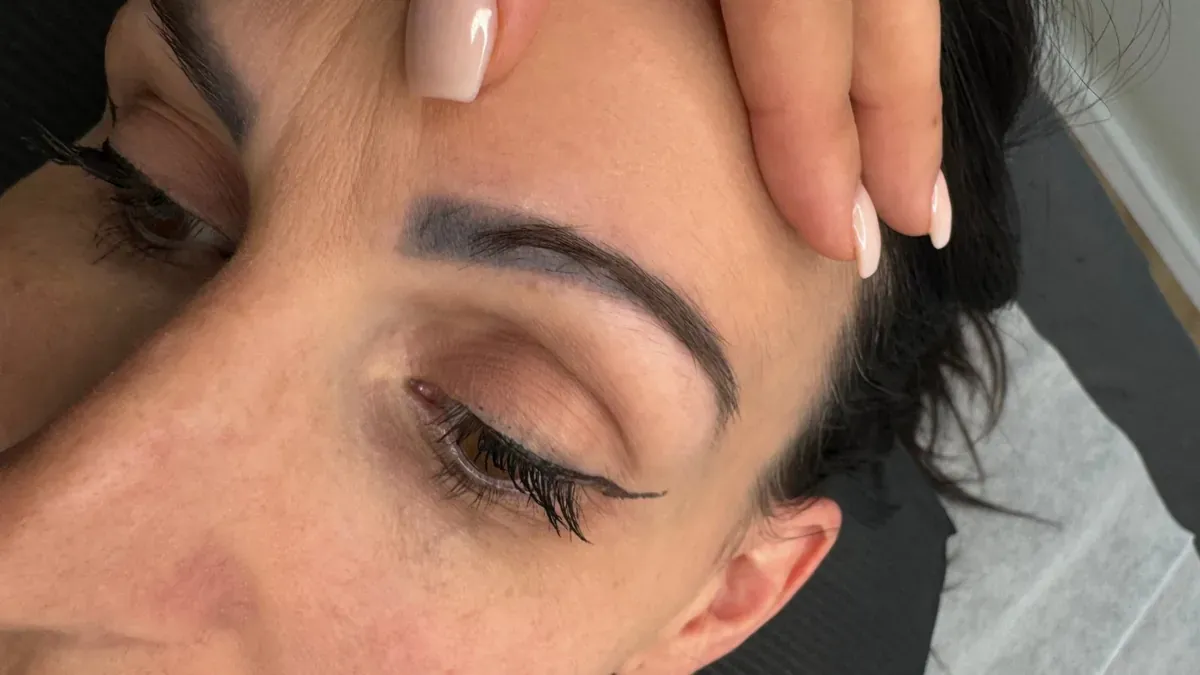
Lips
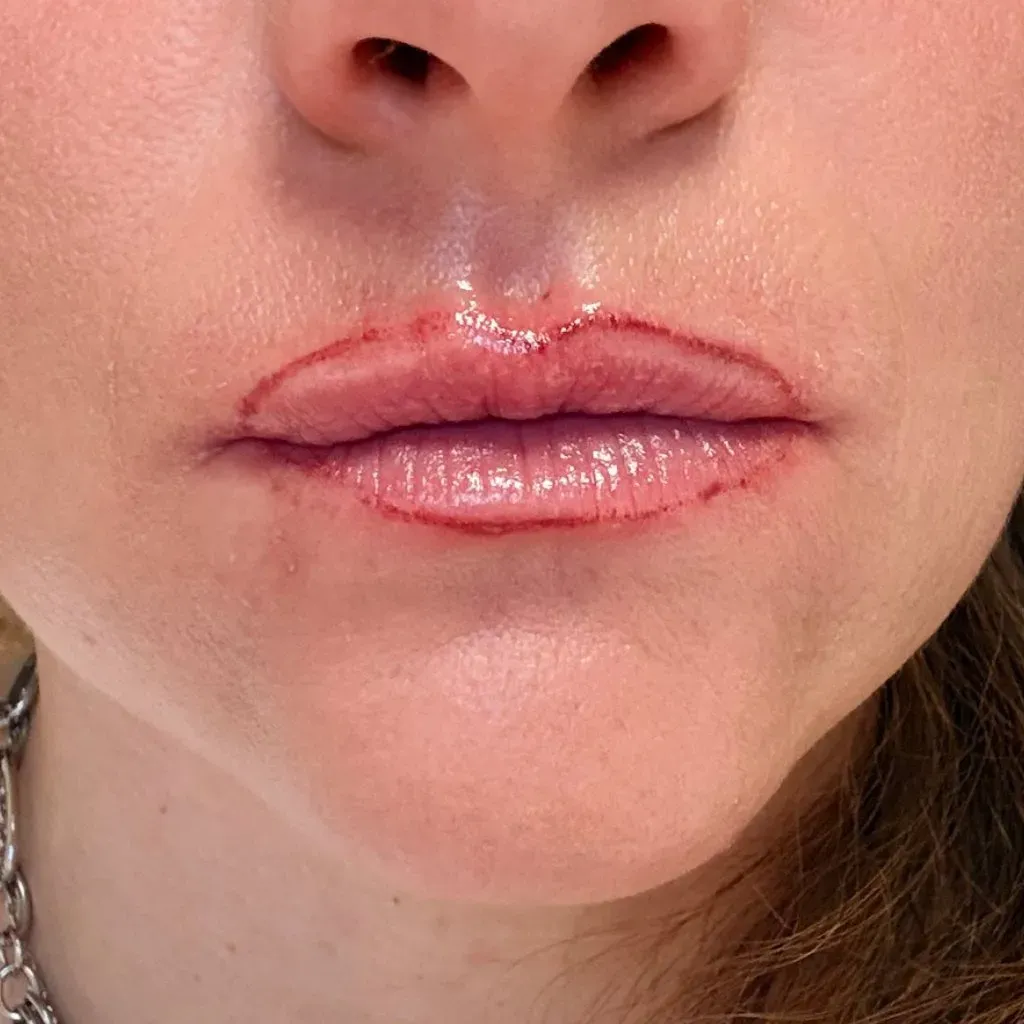
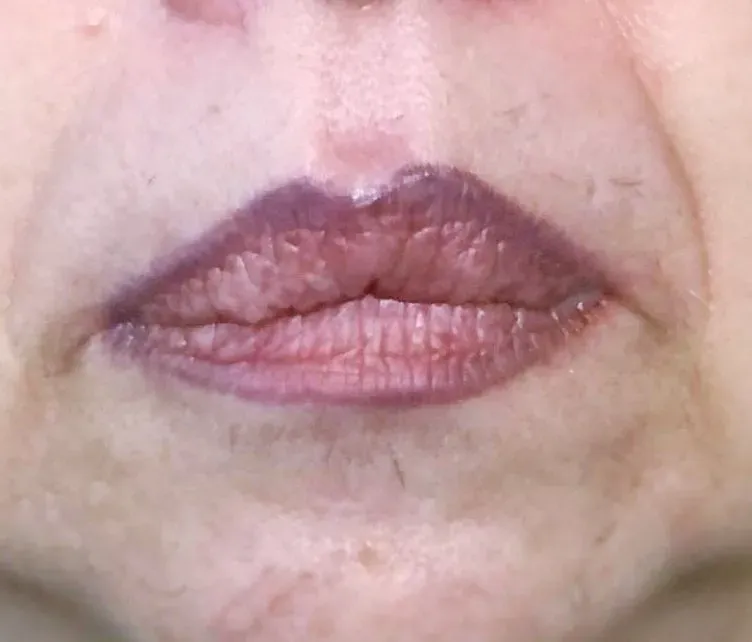
Freckles
Don't rush into anything
Never use home remedies
Scrubs, soaps, acids, hydrogen peroxide, lemon, lightening cream: they damage the skin without removing the pigment. Never try to lighten it yourself.
Talk to your artist first: many flaws can be fixed at the touch-up, 1 month later (1.5 to 2 months for lips).
Your options: touch up, correct, lighten, remove
| The problem | The solution |
|---|---|
| Lighter areas, an uneven result | The touch-up, 1 month after the session (1.5 to 2 months for lips) |
| Freckles that are too perfect, a shape that needs a slight adjustment | A touch-up: adding what's missing, with more irregularity |
| Color that turned orange or yellow | A glycolic acid remover, if your country allows it |
| Blue, gray or too-dark color, or a botched shape | Laser, with a doctor or a medical professional |
Every way to remove it: permanent makeup removal methods.
Correcting over old work: when it's possible
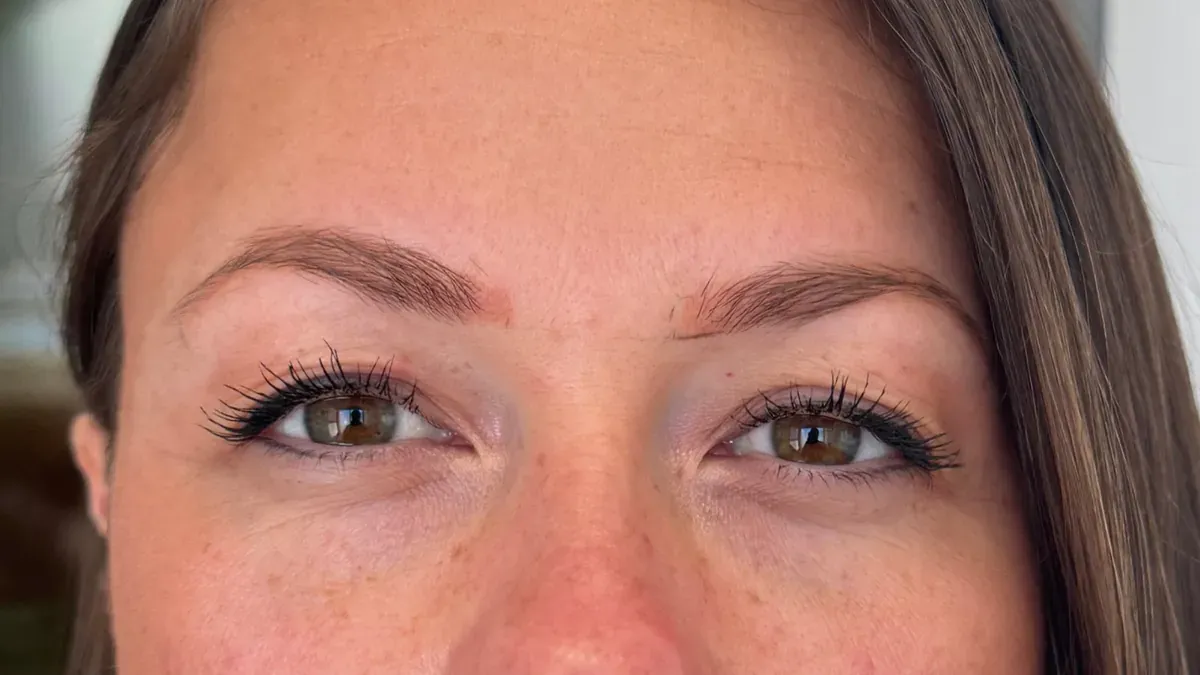
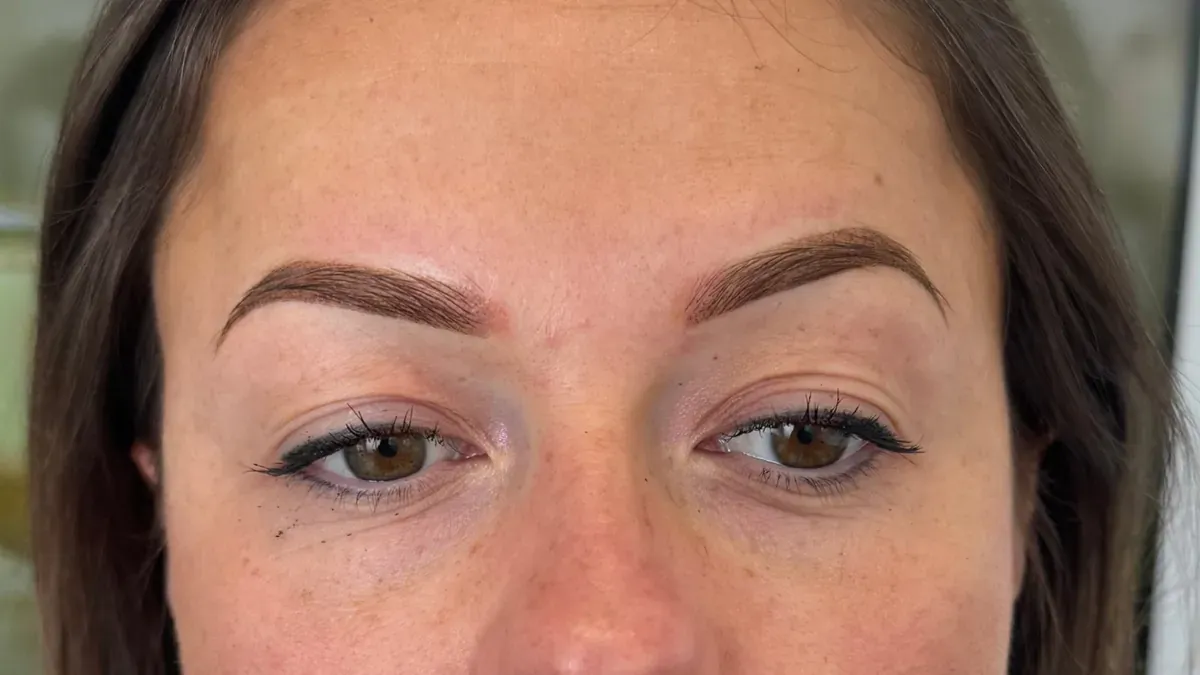
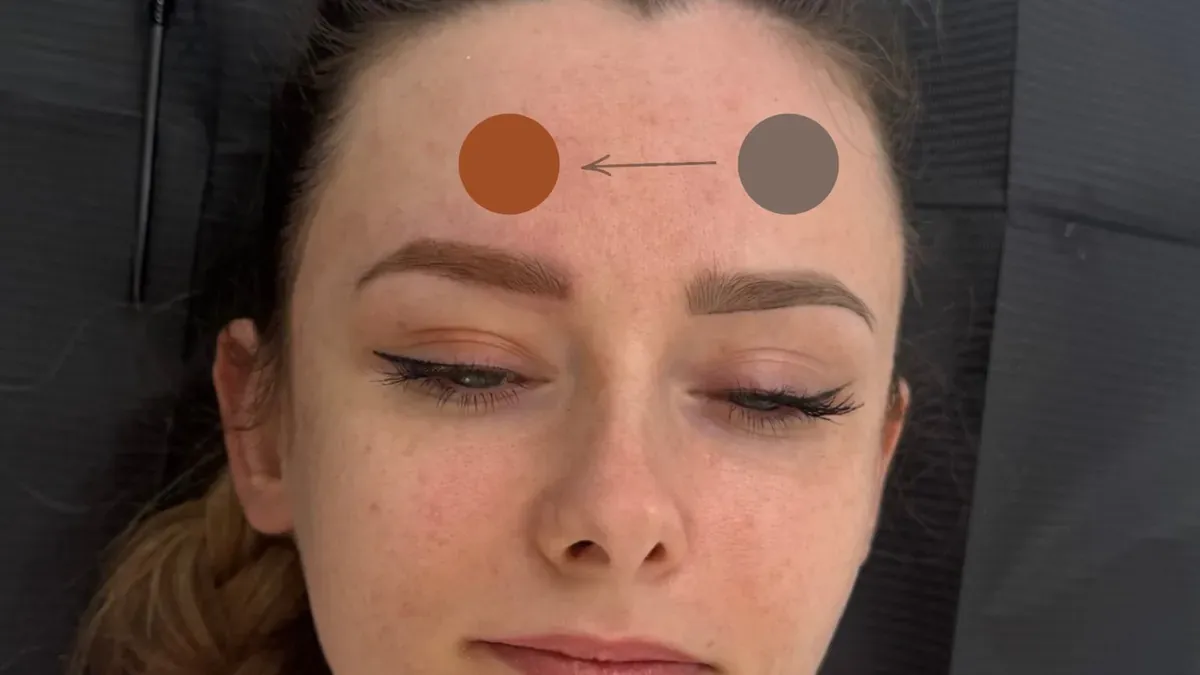
An old tattoo that has faded well, with no scarring, can be reworked over the top. A grayish brow can even be warmed up. But a tattoo that's too dark, a color that has shifted a lot, or a new shape requires removal first. And in most cases, you can't change the shape of an old tattoo.
White pigment: say no
Correcting an outline with white or skin-colored pigment gives a result that shows and ages badly.
Several sessions: patience pays off
Several sessions isn't about selling more
Stop believing that the artist adds appointments to make more money: it's not true. The procedure takes time. The skin rejects some of the pigment, and some areas don't hold it well: it takes several sessions to build it up. At each session, a little pigment stays, then a little more: in the end, the result is beautiful. Better 3 or 4 touch-ups than trying to do too much at once.
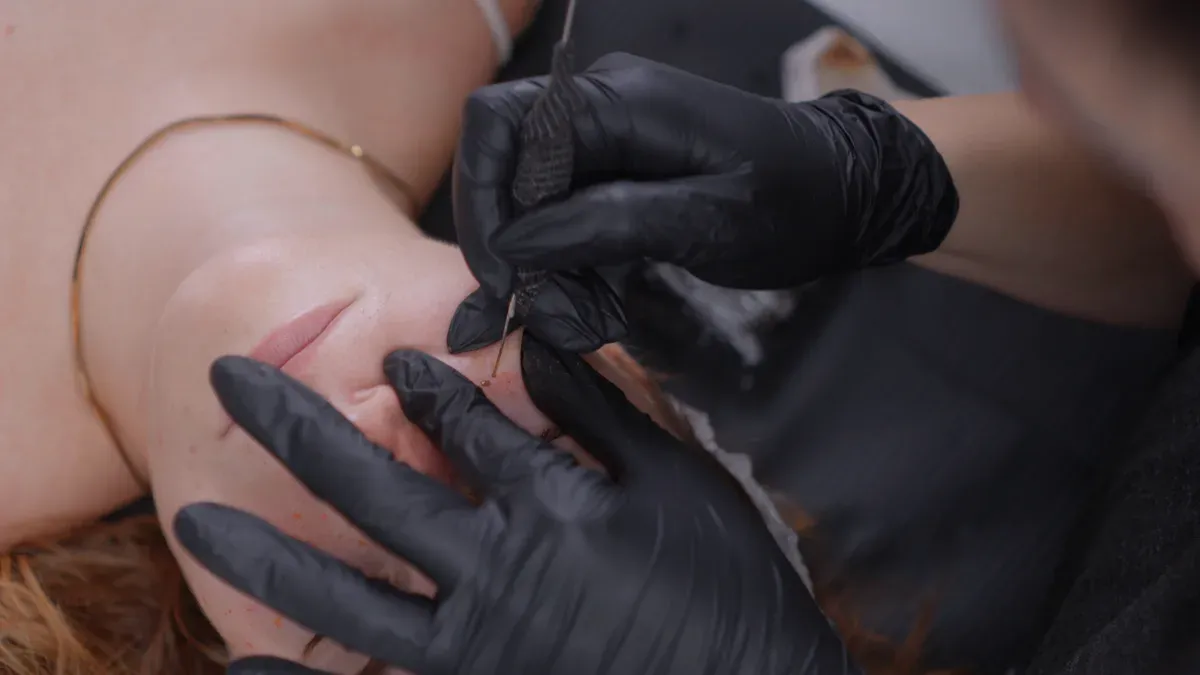
Choosing who will correct it
- She shows healed corrections, before and after.
- She tells you honestly whether a correction is possible, or if it has to be removed first.
- For laser: a doctor or a medical professional.
Keeping it from happening again
- Choose an artist who shows healed results (see how to choose your permanent makeup artist).
- Go for a natural, soft result: pigment placed too deep can change color.
- Choose a shape that follows your face, and a color suited to your skin.
- Accept a lighter result: you can always add more, but you can never easily take it away.
The details by area: badly tattooed eyebrows, lip blush gone wrong, freckle tattoos gone wrong.
Frequently asked questions
Yes, during healing. If it's still too dark after that, laser is the best solution.
Until healing is complete: 1 month, up to 2 months for lips.
With a glycolic acid remover, if your country allows it.
With laser, by a doctor or a medical professional.
Yes, if it has faded well and there's no scarring. Otherwise, it has to be lightened first.
No: home remedies damage the skin without removing the pigment.
Because the skin rejects some of the pigment: it's built up session after session, for a beautiful result.

Written by
Habiba Med
Permanent makeup artist since 2019 and trainer, I share what I see every day in my studio to help you make the right choices.