Habiba Med
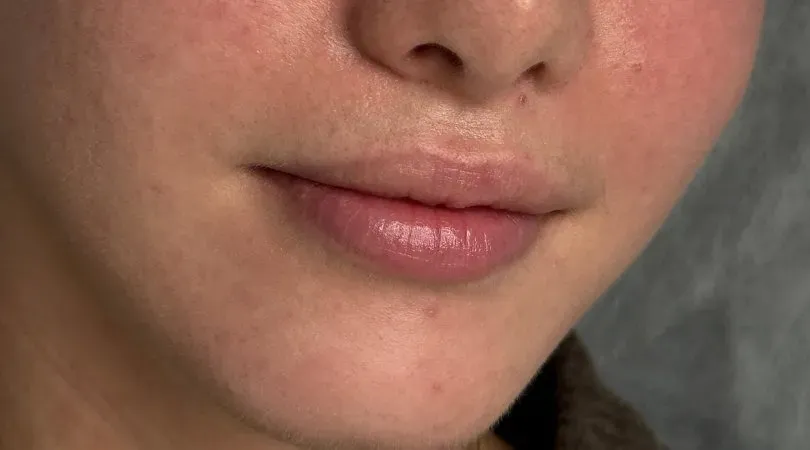
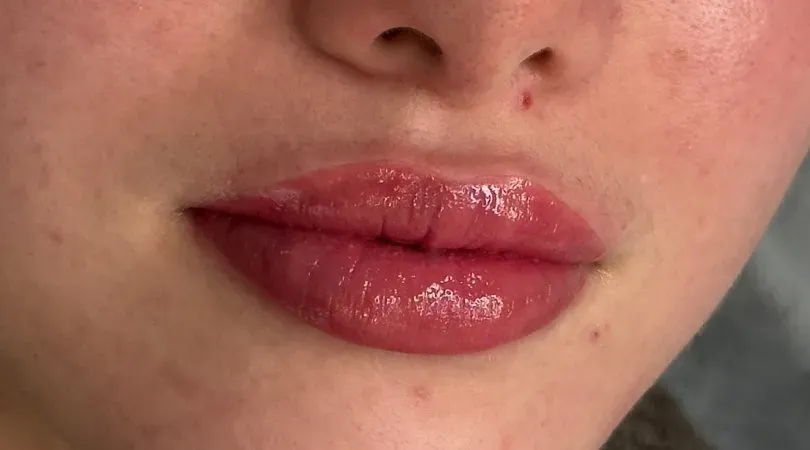
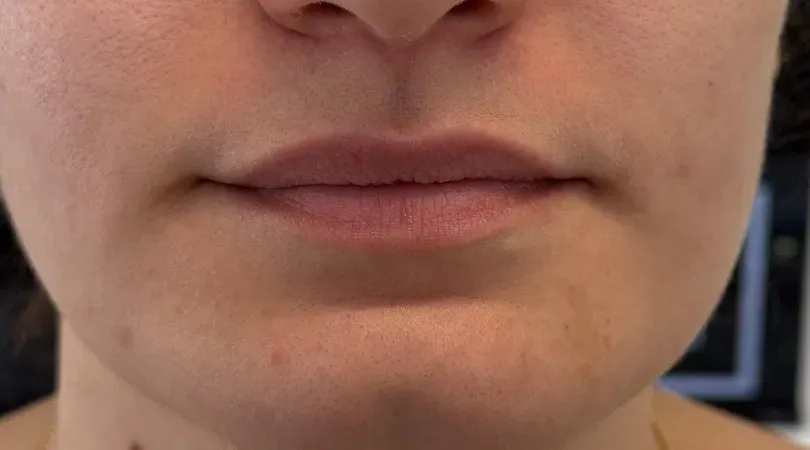
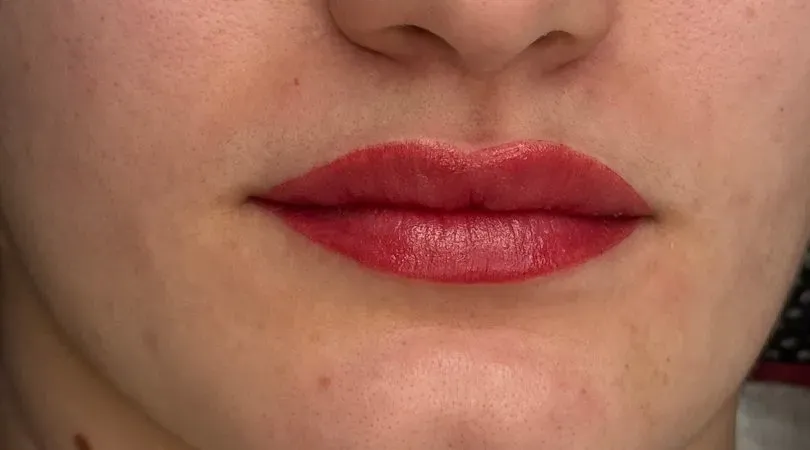
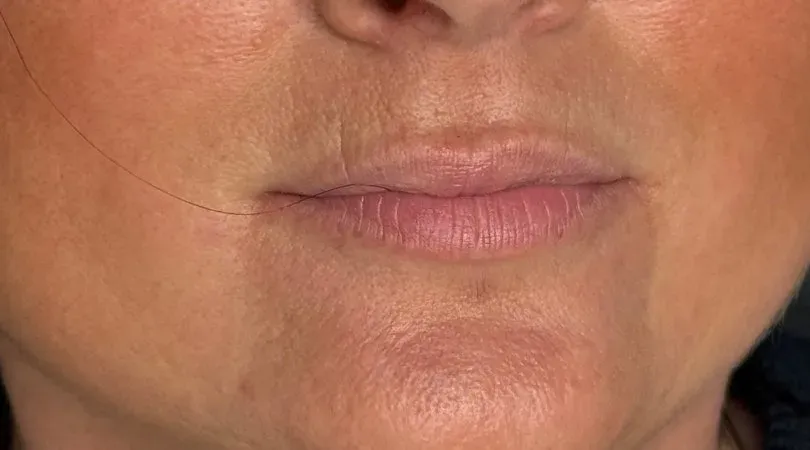
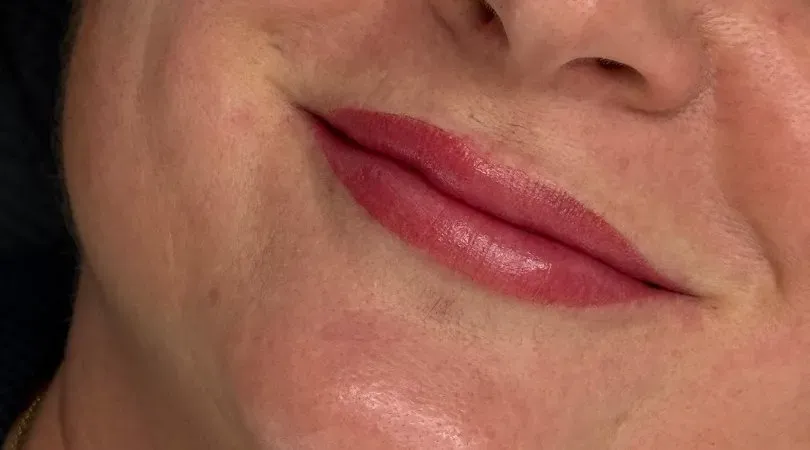
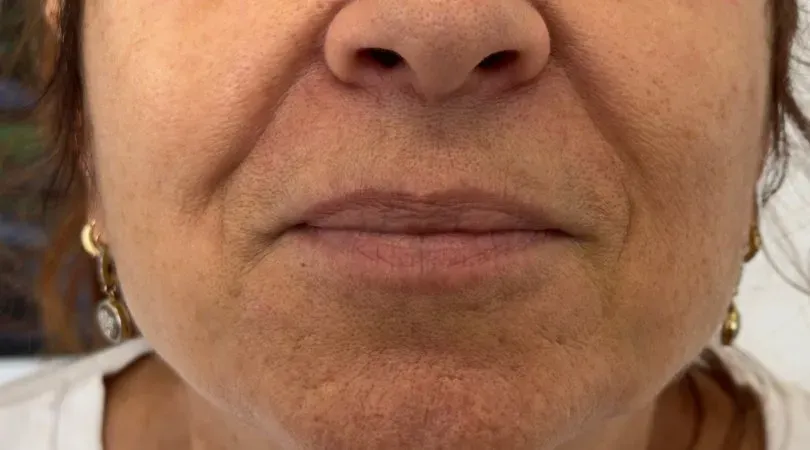
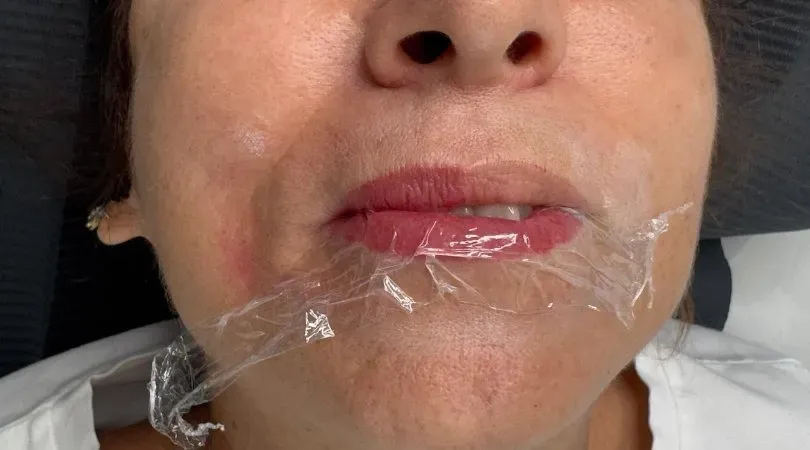
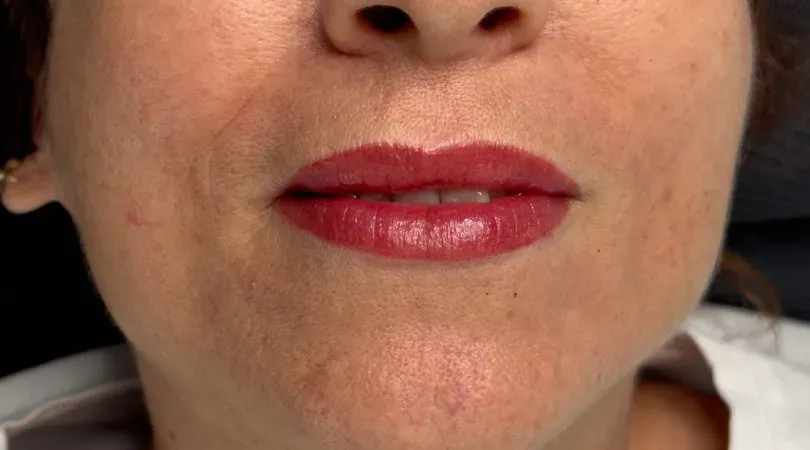
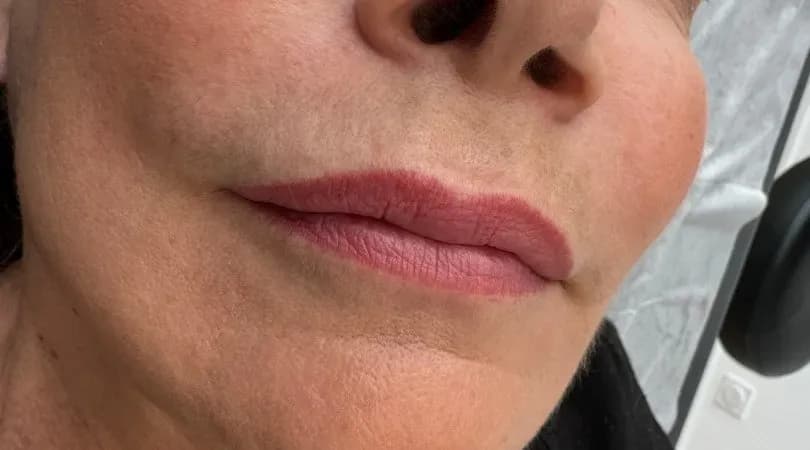
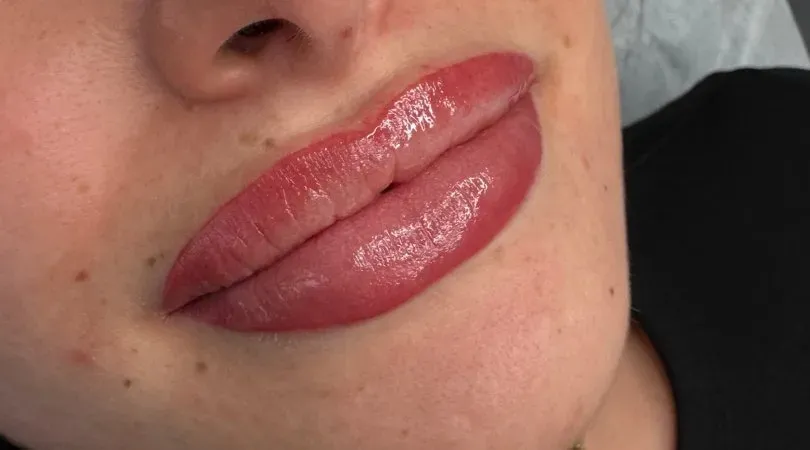
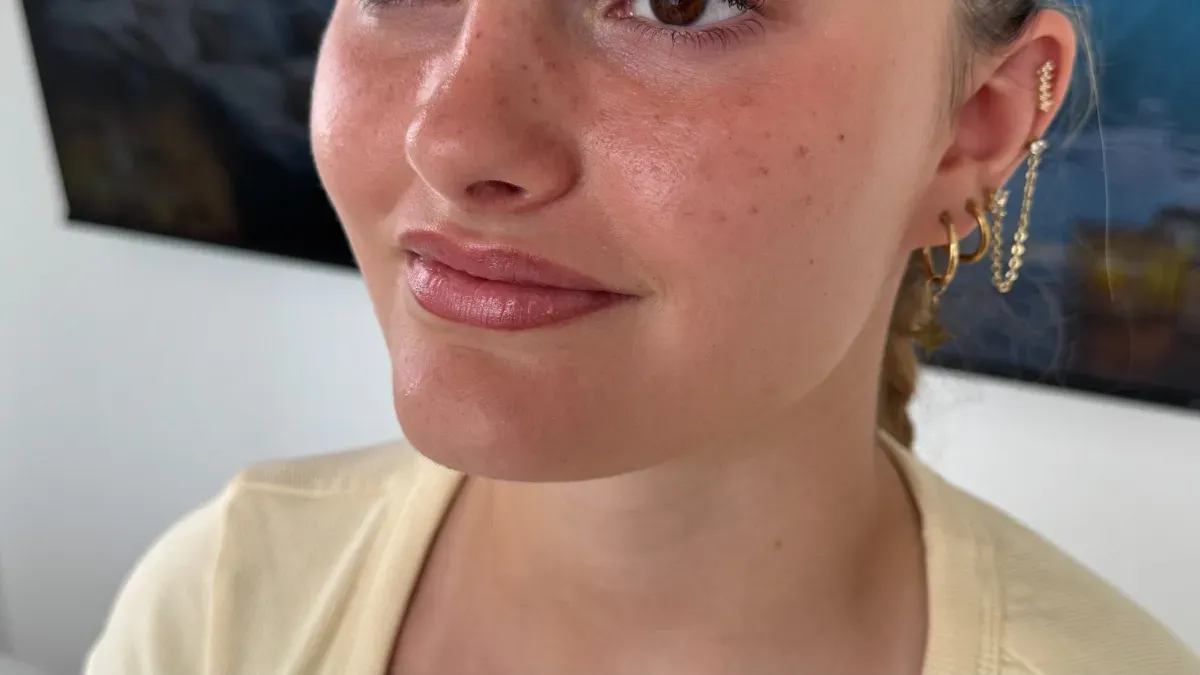
Want to see what real tattooed lips look like, before, right after and healed? Here are lip blush before and after photos for different starting lips, with everything you need to read them right: swelling, the difference between light and dark lips, mature lips, the outline, the session, how long it lasts and the touch-up.
Key takeaways
- Right after the session, the color is brighter and the lips may be swollen: that's normal.
- You judge the real result 1.5 to 2 months later.
- Light lips: we add color. Dark lips: we take it away.
- It lasts 3 to 4 years, and up to 10 years, even a lifetime, with organic pigments.
How to read a lip blush before and after photo
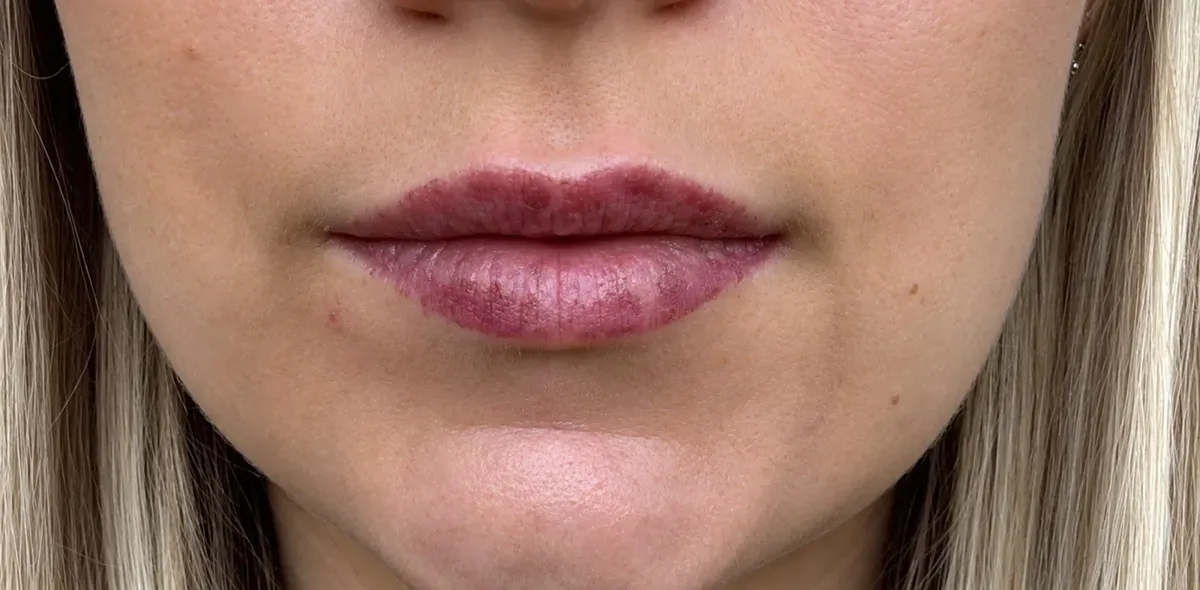
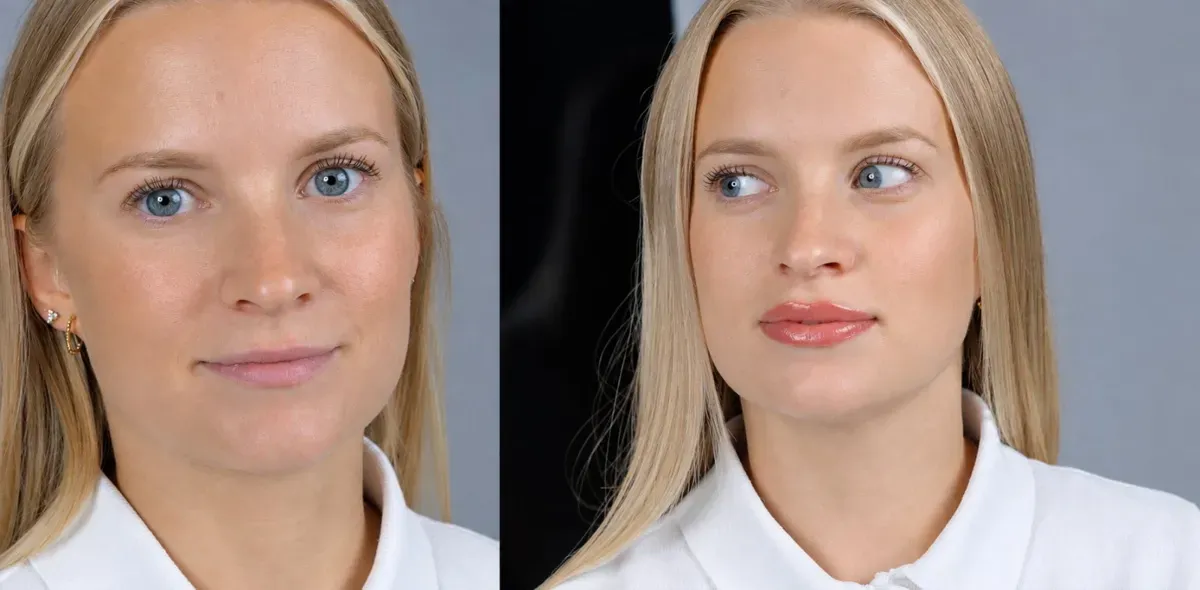
Right after the session, the color is brighter and the lips can be a little swollen: this isn't the final result. You see the final result 1.5 to 2 months later, once the pigment has settled. When you look at an artist's work, always ask to see healed results.
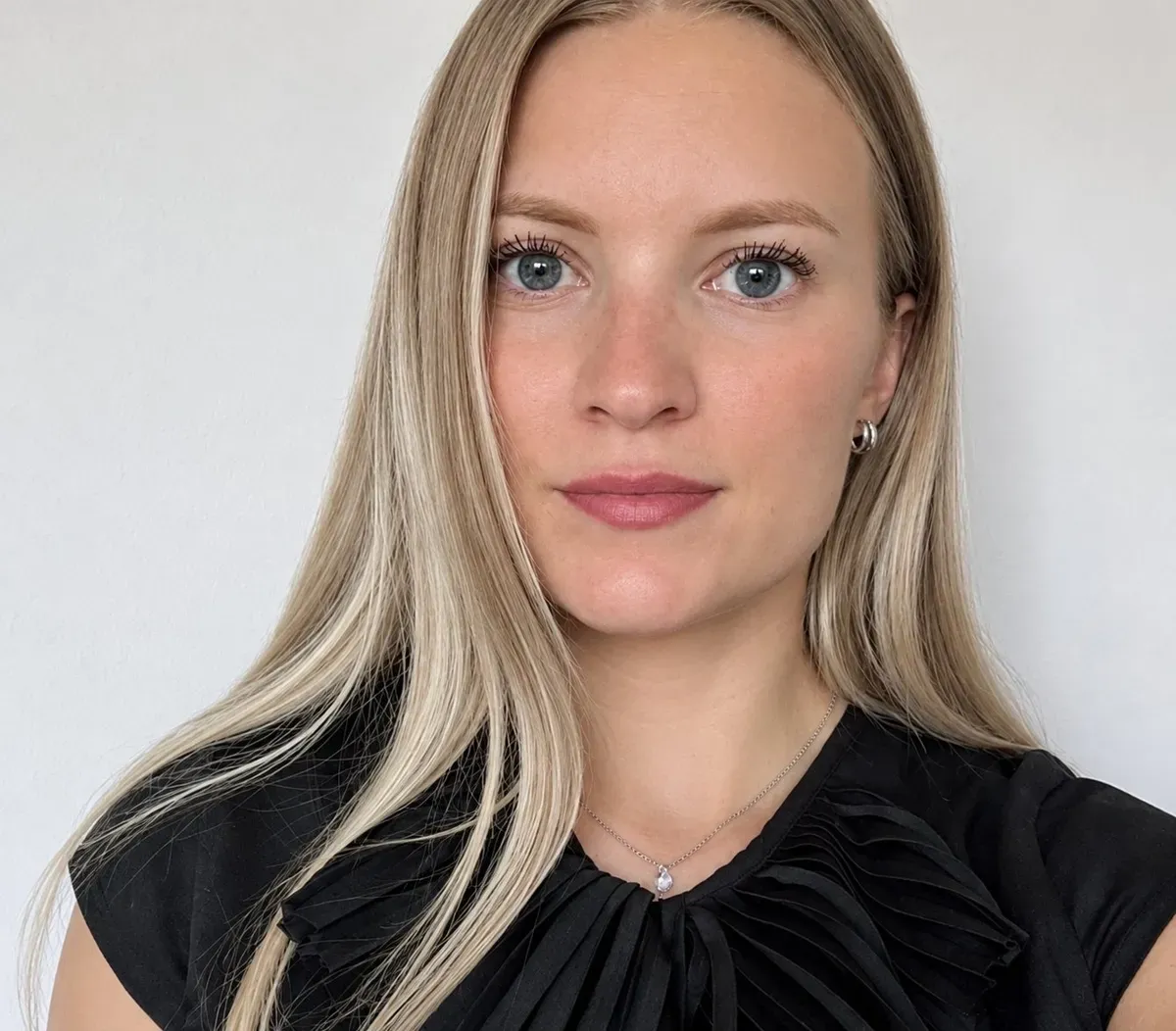
Why do lips swell?
Swelling is a natural body mechanism: your body is reacting to trauma. Don't forget that a tattoo is a wound in the skin. A very light one, sure, but still a wound. The body defends itself, and the area swells.
The thinner the skin, the more prone it is to swelling. On the other hand, very dark lips aren't especially prone to swelling. But since neutralization sessions can be very long, the skin ends up reacting to the trauma and swelling.
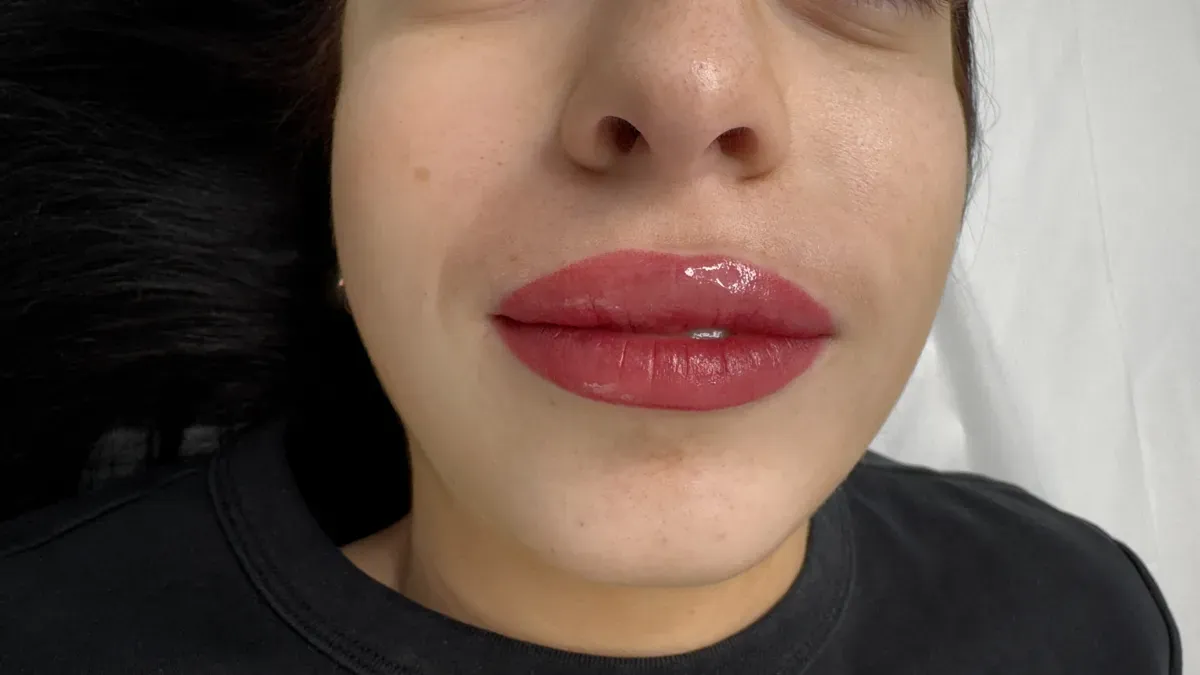
Harmless swelling
This swelling is superficial and not dangerous at all: it's just your body reacting. About 70% of it goes down within 2 hours of the appointment, and the rest is gone by the end of the day. Exception: if you have a lot of hyaluronic acid filler in your lips, it can last up to 48 hours.
Light or dark lips: two different strategies
It's important to understand the difference between light lips and dark lips, because the artist's strategy is completely different. On light lips, we add color. On dark lips, we take it away. That's why you should tell your artist and send her a photo of your lips: she'll know which technique to recommend.
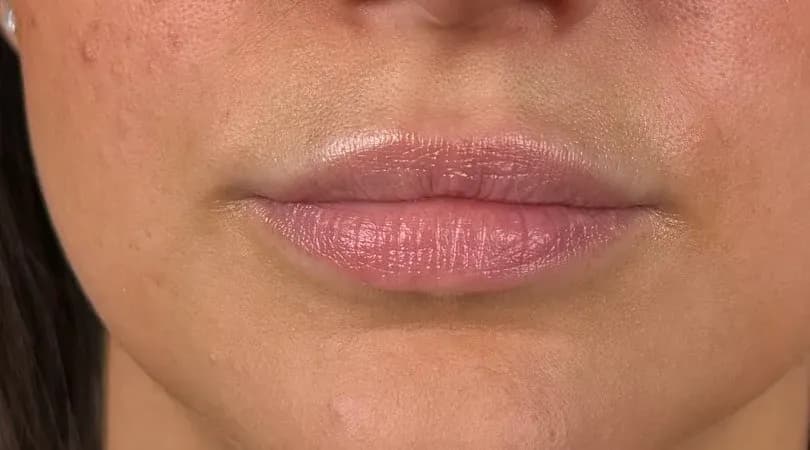
Light, pale or very white lips
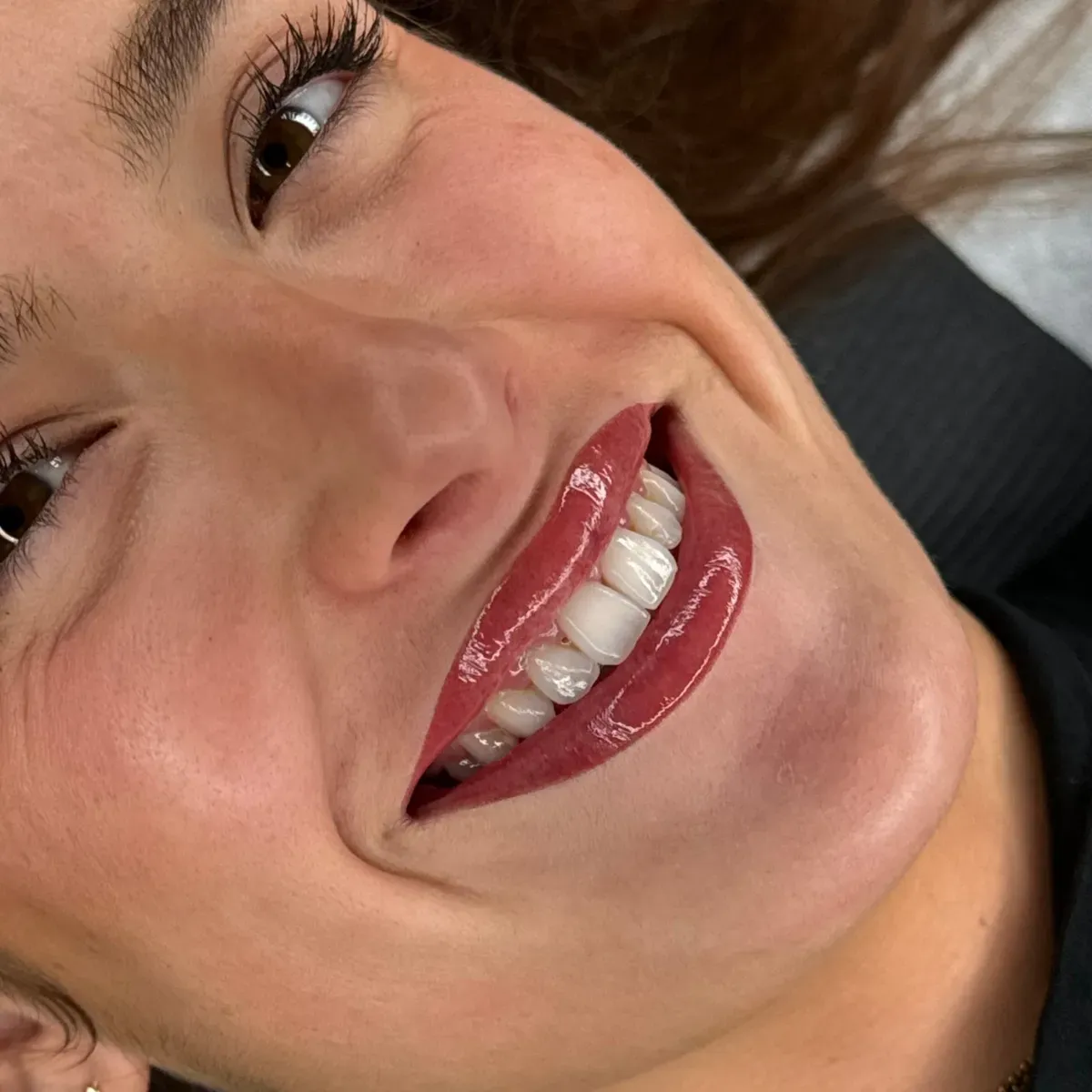
The lighter your lips, the more freely you can choose the color you want: you can pick from all the shades your artist has, or go by your own taste. Your lips will get full lip color or ombré lips.
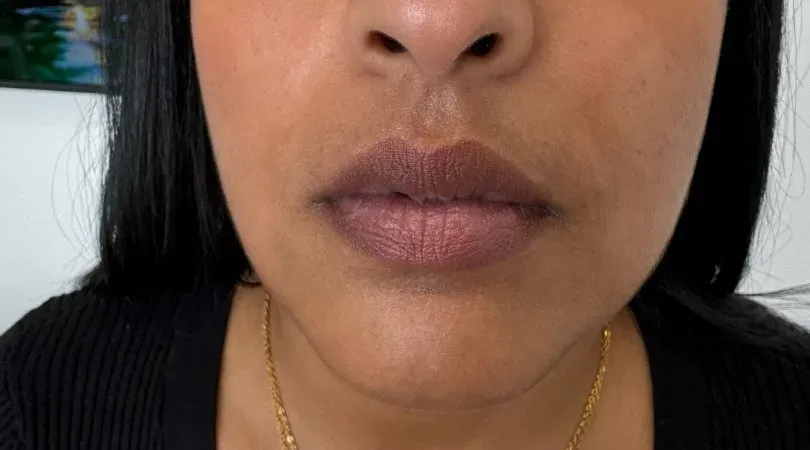
Dark lips
Here, you're not the one who picks the color. To neutralize lips, the artist is in charge: she uses a science called color theory to remove the dark color you may feel self-conscious about. Neutralization is often done over several sessions (see our guide to dark lip neutralization).
Full lip color (full lips), right after the session
On mature lips
Mature lips? They're the perfect clients. The pigment takes really well: the skin is like butter, everything goes in easily, and sessions go quickly. Plus, their lips are usually thinner, with less surface to work on: another time saver.
You should also know that with age, especially after 50, the body defends itself less against foreign bodies, and pigment is one of them. So it gets rejected less: healed results are beautiful, with touch-ups that are sometimes very light, or even unnecessary, because the result holds well.
Ombré lips
The outline you see right after: no need to worry
Right after pigmentation, you may notice an outline around your lips. Don't worry: it disappears completely as it heals. This outline helps the artist do the shading inside, following the drawing you approved together before the session.
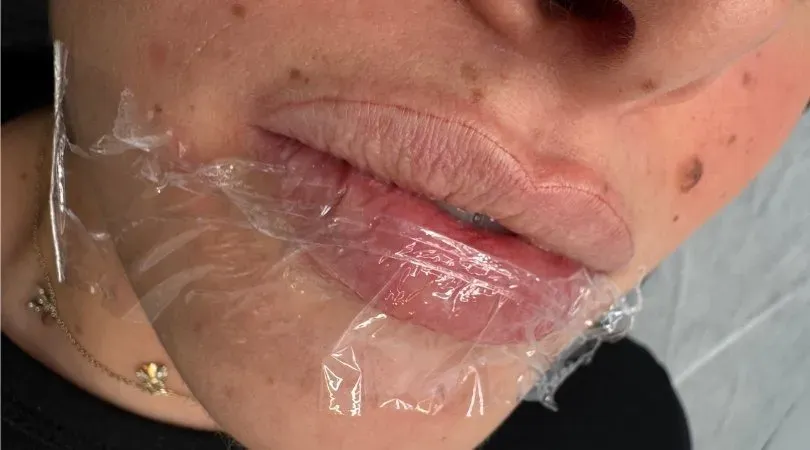
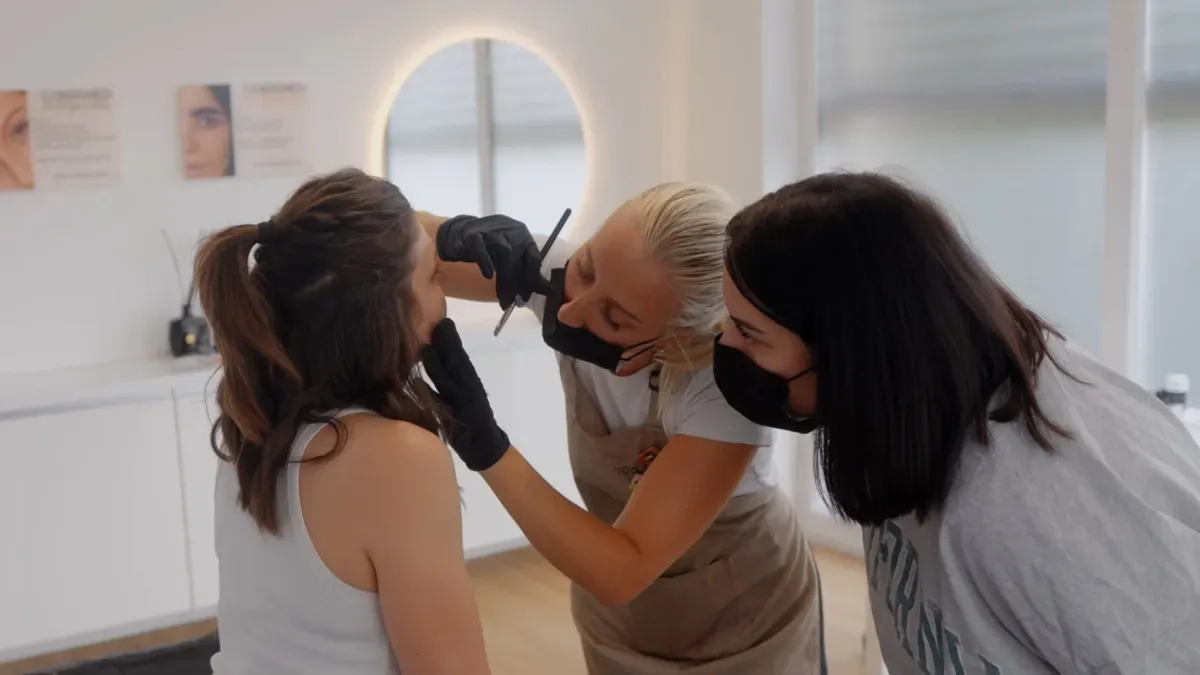
During the session
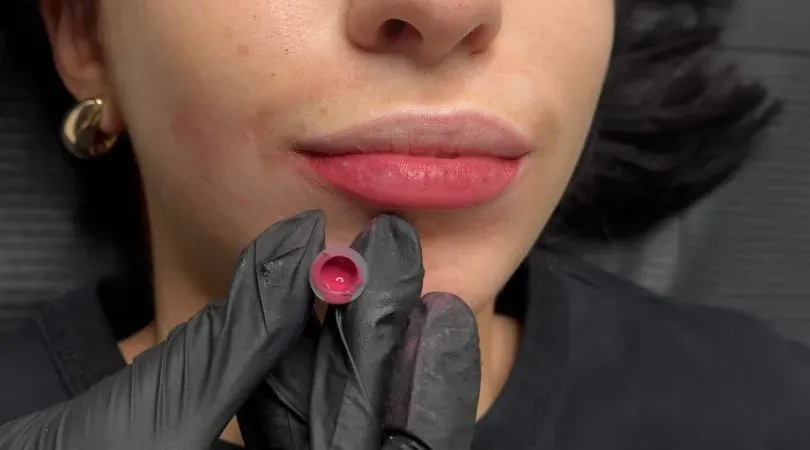
Every session goes the same way. First, the drawing: we improve the shape of your lips. Then, together, we choose the color. Then the artist may apply a numbing gel.
Numbing gel isn't for pain
Lots of people think numbing gel is used for pain. Not true: the sessions don't hurt. It feels warm, a bit like a sunburn, but that's as far as it goes. It's applied so the lips turn completely white: that way you can see the work in progress much better, along with any irregularities to correct.
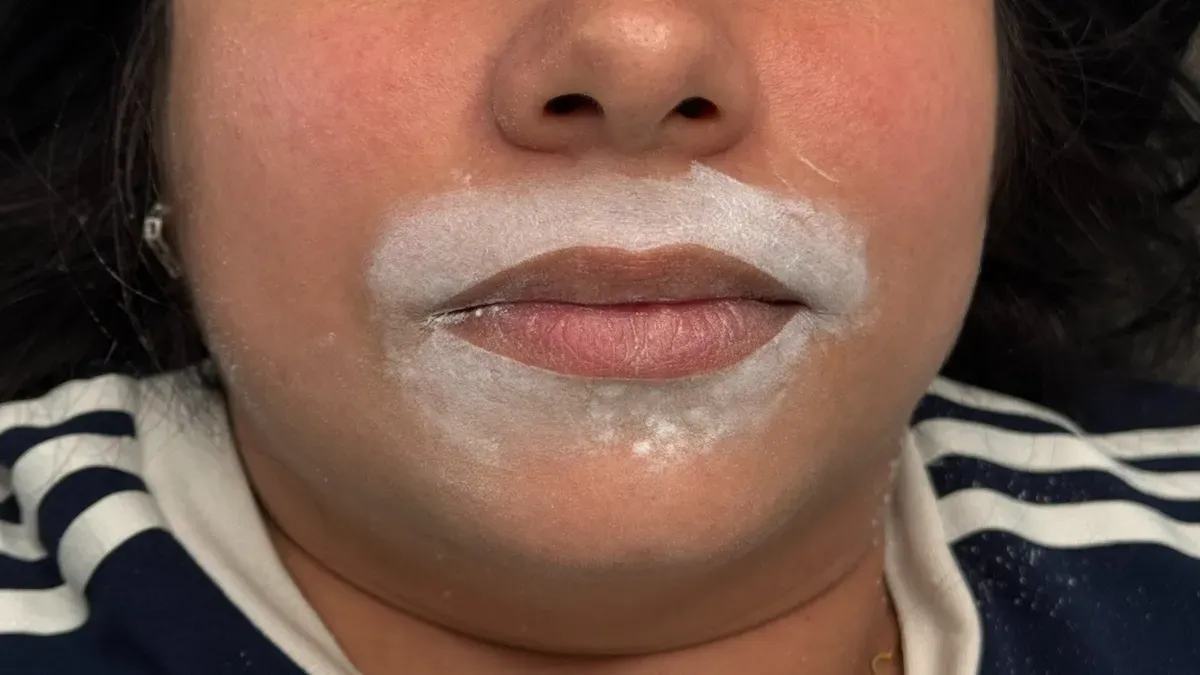
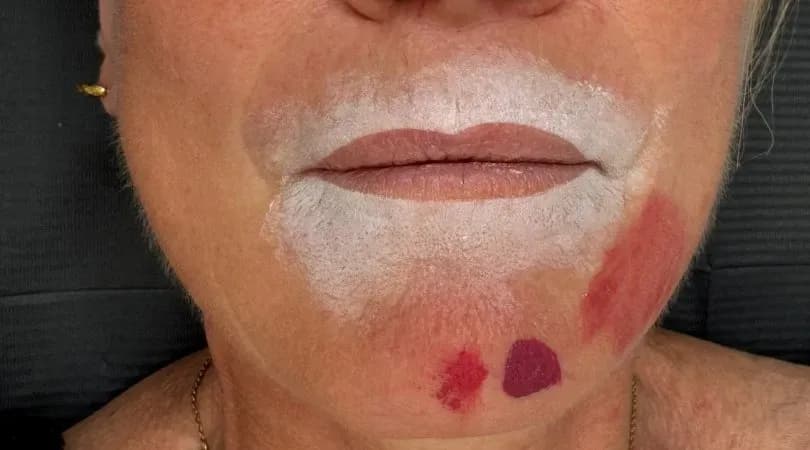
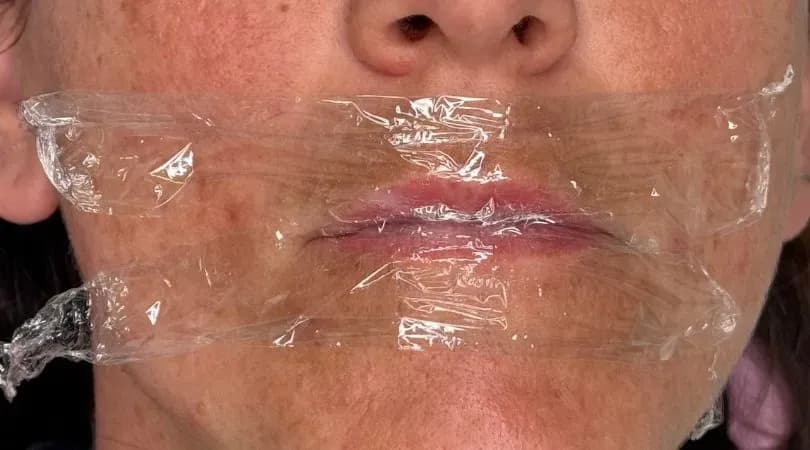
How long does a lip tattoo last?
Permanent lip makeup lasts 3 to 4 years on average. It can last much longer if the artist chose organic pigments: you can then have a result that lasts up to 10 years, or even a lifetime. This is especially interesting for dark lips, by the way.
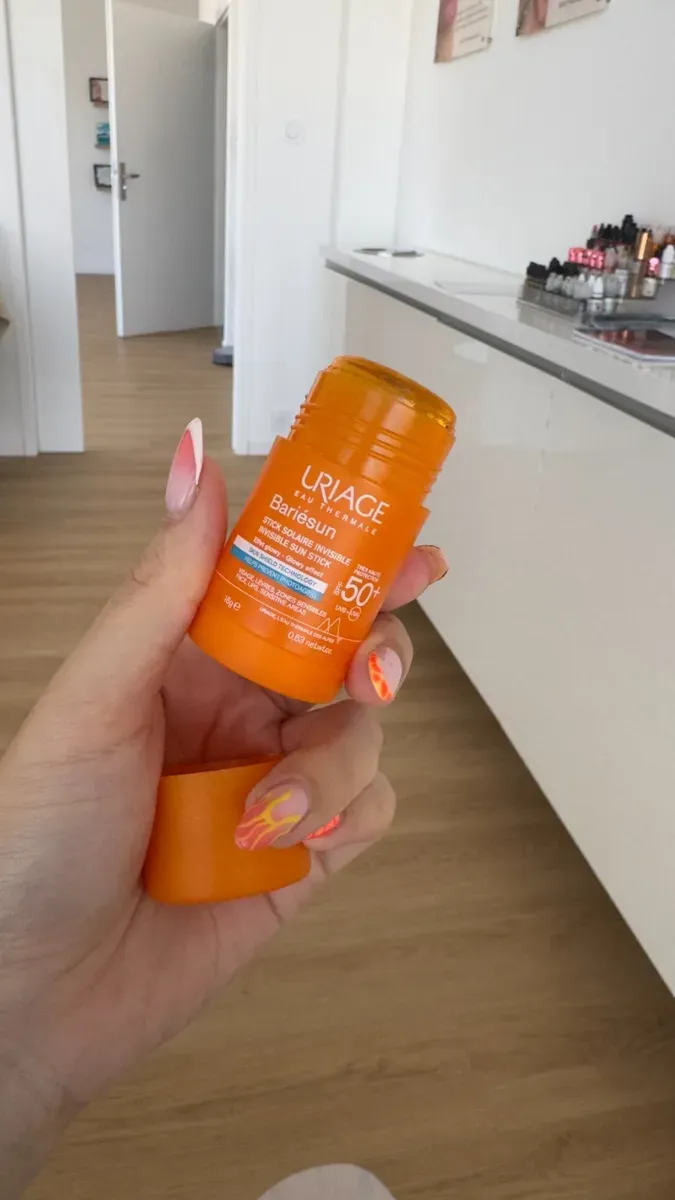
Sun and smoking don't fade the color, but they darken your lips over the years. Someone who smokes a pack a day for 20 years: you can see it in the color of their gums and lips. Same goes for the sun: protect your lips with an SPF 50 lip sunscreen stick. This stick protects from the sun, it doesn't moisturize.
Can the color shift?
No. Mastering color theory is one of the mandatory modules of any training: with good color management, there's no unwanted color shift.
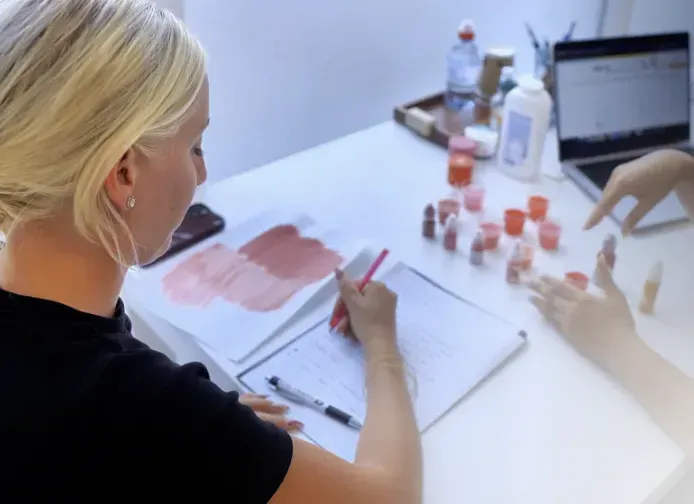
That's also why you can ask your artist for healed results years later, for example on a client who had her lip blush done 2 years ago. An artist with several years of experience but no older healed results to show you is a red flag.
The lip blush touch-up and maintenance
- The touch-up: after 1.5 to 2 months, when the final result is visible.
- Maintenance: you decide, whenever you feel the need.
- A professional can refuse an unreasonable touch-up, for example on lips that already hold a lot of pigment.
Everything about healing is in our guide to the lip blush healing process, step by step.
Frequently asked questions
Some may be. Ask for healed photos, in natural light.
For lip blush, one session and a touch-up if needed. For neutralization, 2 to 4 sessions.
Yes, always.
It fades by 80% after 3 to 4 years on average, until it disappears completely. With organic pigments, it can last up to 10 years, or even a lifetime.
It's your body's natural reaction to a very light wound. The swelling is harmless: about 70% goes away within 2 hours, the rest within the day.
No, it disappears completely as it heals. It's a guide for the artist.
Not really: the session doesn't hurt. It's mainly there to blanch the lips so the work is easier to see.
No, but it darkens the lips over time. Protect them with an SPF 50 stick.
It doesn't fade the color, but it darkens the lips over the years.
No, it's done if needed, after 1.5 to 2 months.
Yes, with a maintenance session, as long as the lips aren't already too loaded with pigment.

Written by
Habiba Med
Permanent makeup artist since 2019 and trainer, I share what I see every day in my studio to help you make the right choices.