Habiba Med
Is permanent makeup safe for you? Before getting it done, a few situations mean you need to wait, ask for medical advice, or give it up. Here are the contraindications to know, area by area, so you can book with complete peace of mind.
Key takeaways
- Some situations rule out permanent makeup: pregnancy, breastfeeding, certain treatments and illnesses.
- Others mean you need to postpone: skin in a flare-up, an active cold sore, a recent filler injection, tanned skin.
- Some require medical advice: recurring cold sores, melasma, keloids.
- If in doubt, talk to your artist and your doctor.
Three cases: skip it, postpone, ask for advice
Skip it
Pregnancy, breastfeeding, isotretinoin, blood thinners, uncontrolled diabetes, chemotherapy.
Postpone
Skin in a flare-up, active cold sore, recent filler injection, tanned skin.
Ask for advice
Recurring cold sores, melasma, tendency to keloids, ongoing treatments.
Who should avoid permanent makeup
Permanent makeup is not recommended
During pregnancy and breastfeeding; while on isotretinoin (a treatment for severe acne); while on blood thinners; with uncontrolled diabetes, to avoid the risk of infection; during chemotherapy. Diabetes that has been stable for years may allow it, with your doctor's approval. If this applies to you, talk to your doctor: they'll be able to tell you when it will be possible.
Never stop a treatment on your own to get permanent makeup: it's always up to your doctor.
When to postpone
Skin in a flare-up
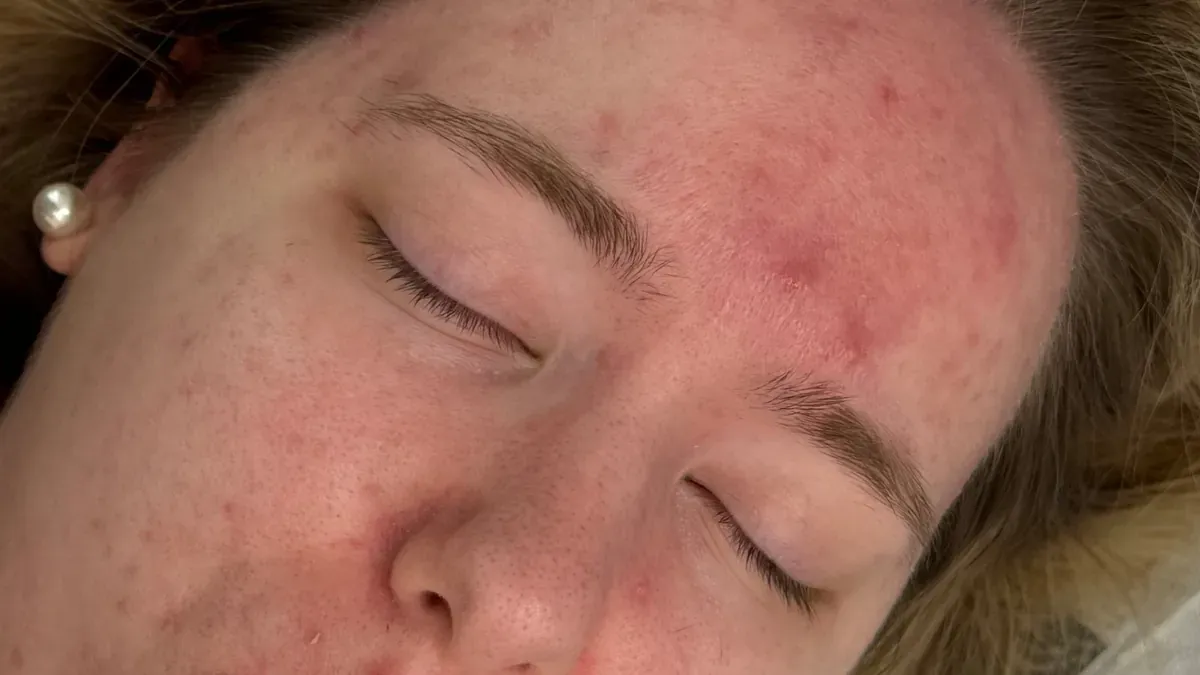
Acne breakout, eczema, psoriasis, rosacea flare-up: treat the skin first, tattoo later.
An active cold sore
For lips: if you have a cold sore, the appointment is postponed.
A recent injection
Hyaluronic acid in the lips: wait 8 weeks between the filler and the tattoo, whichever one comes first.
Tanned skin
Especially for freckles: wait until your tan fades to choose the right color.
When to ask for medical advice
Recurring cold sores (lips)
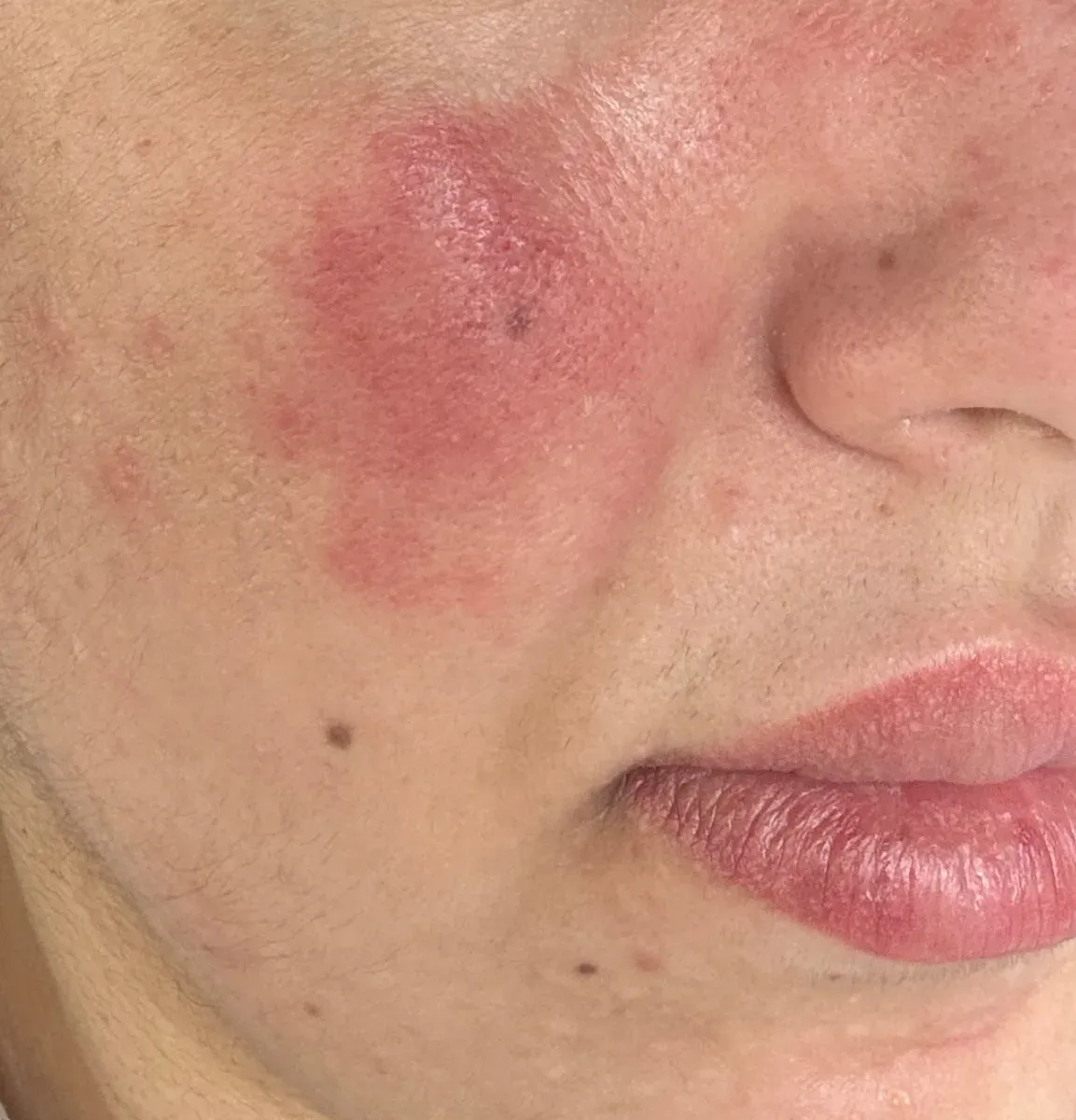
It's not a no. Tattooing is stressful for the body, which can react with a cold sore outbreak. If you're prone to cold sores, your doctor can prescribe a preventive treatment to take before the session (see permanent makeup for lips).
Melasma
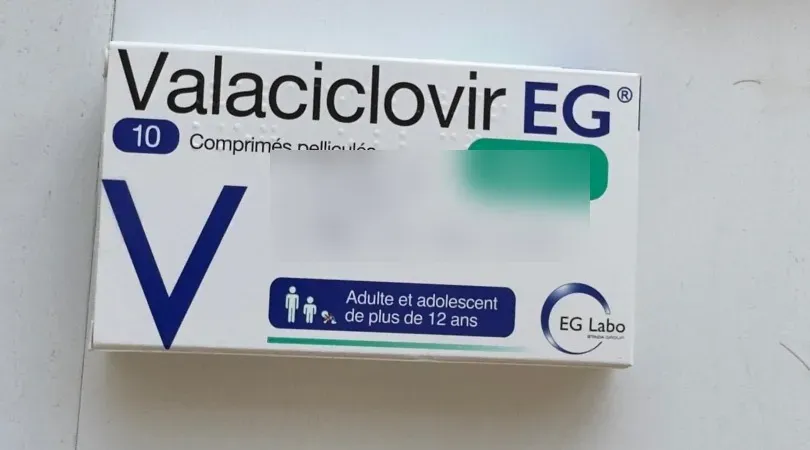
We don't tattoo over melasma: the skin may react and the melasma may come back around it. The only exception: written approval from a dermatologist confirming the area is stable.
Keloids
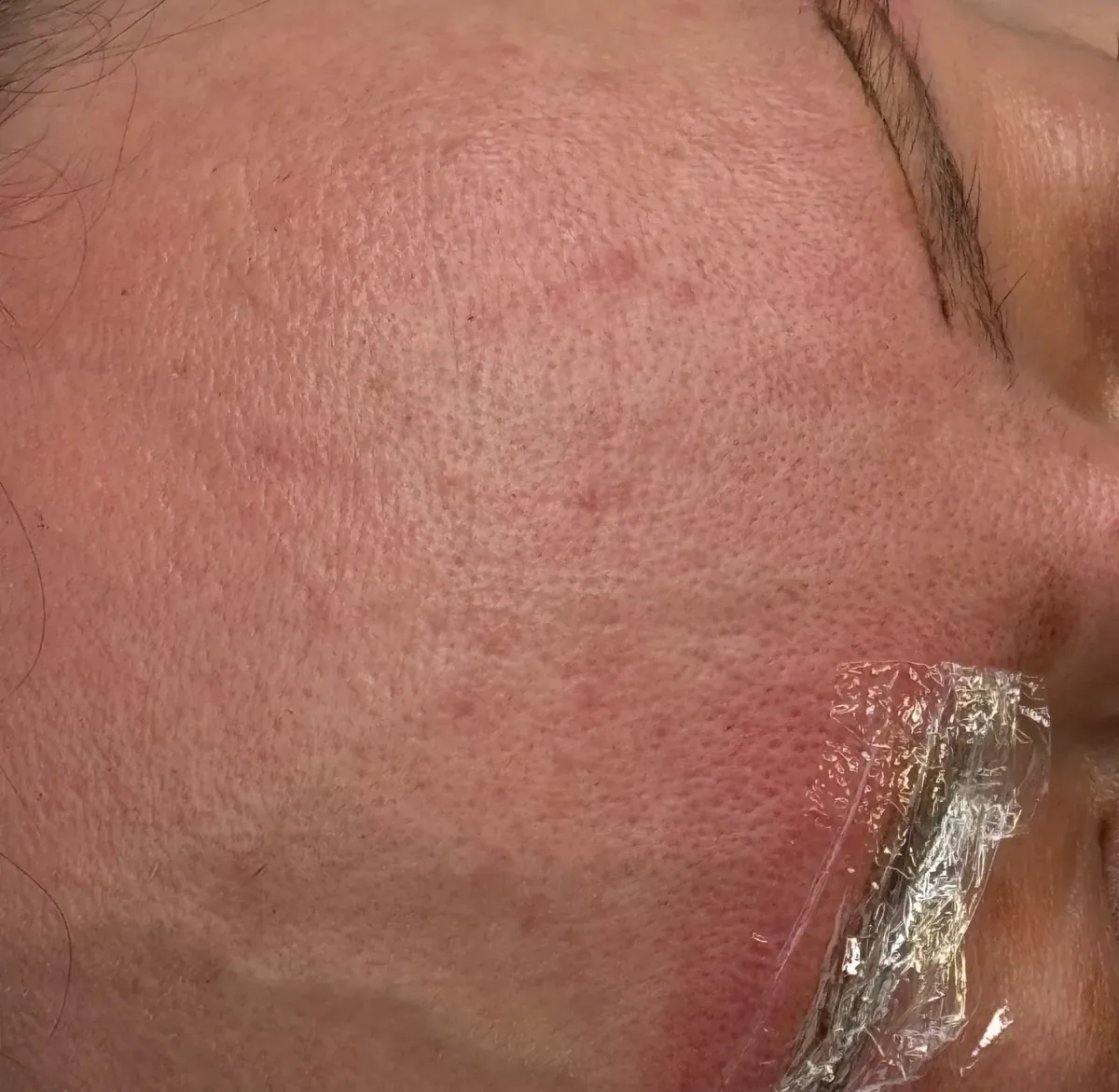
If you get keloids on your face (raised scars that are wider than the original wound), permanent makeup is not recommended.
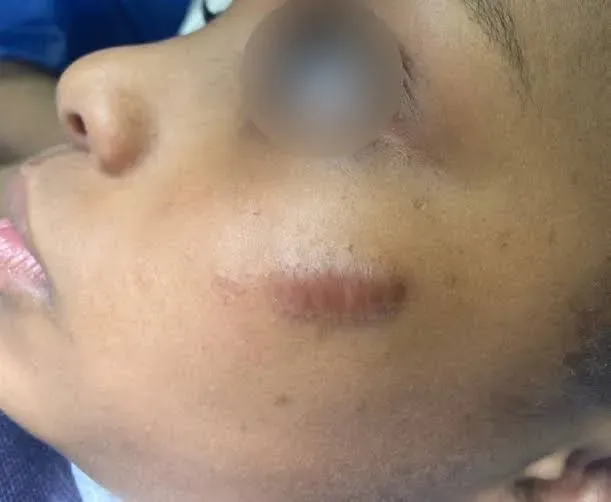
Image source: drjonathanhaddad.com
Ongoing treatments
Retinoids, skin-lightening treatments, blood-thinning medication: tell your artist about them. And if you're allergic to lidocaine, let her know: some artists use a numbing cream.
Filler, peels, retinol: the right order
| Treatment | What you need to know |
|---|---|
| 💉 Lip filler | Wait 8 weeks. Ideally: color first, filler second (lip blush vs lip filler) |
| 🧪 Retinol, acids, peels | Stop them in the days before the session, and avoid them for 1 month after |
| ☀️ Tanning, self-tanner | Show up with no tan on the area |
Pigments: there are no good or bad pigments
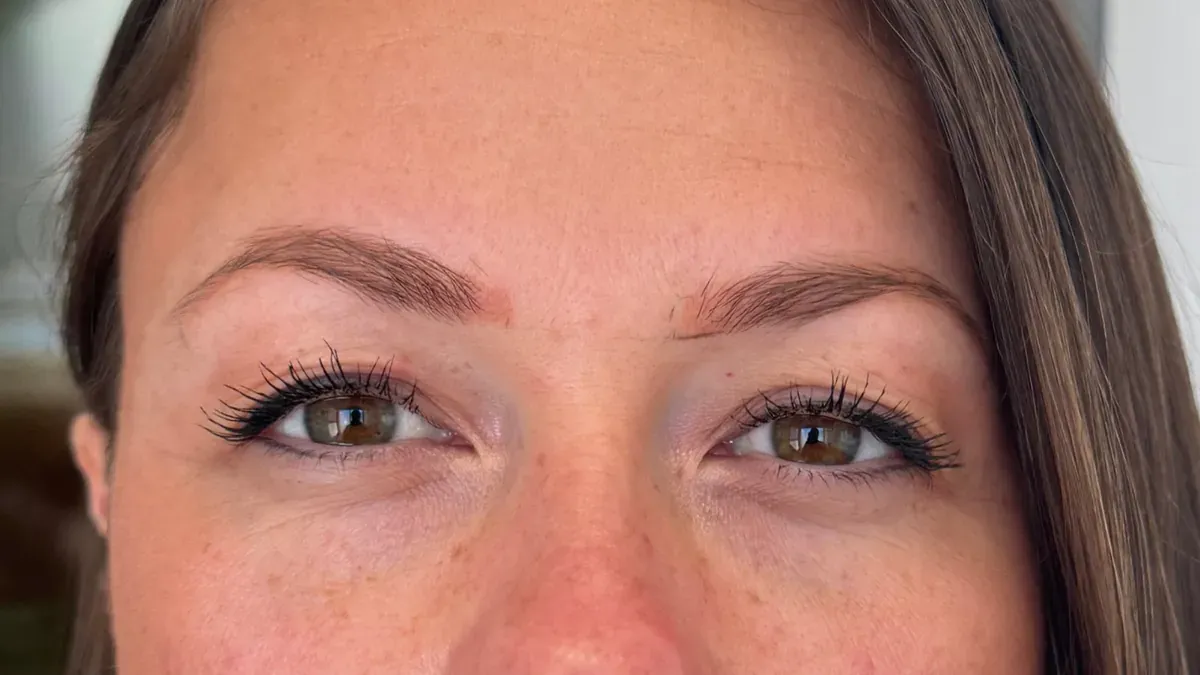
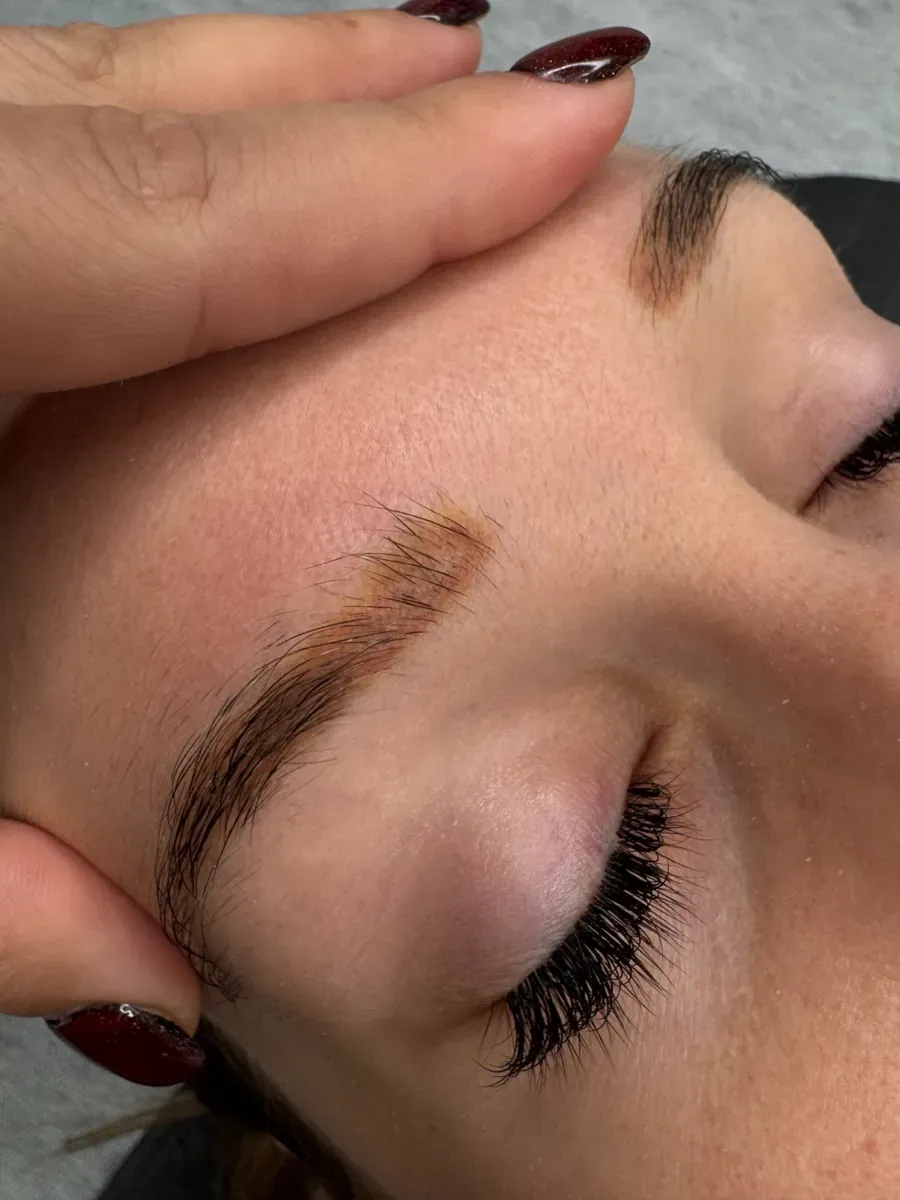
There are no good or bad pigments: there's good or bad use. Organic, mineral or hybrid pigments: any of them can turn orange if they're misused.
The two real causes
A color shifts when the pigment was poorly matched to the starting skin color, or when an overly aggressive technique placed it too deep in the skin. That's why it's so important to always go for a natural, light result.
High-quality pigments
Pigments that oxidized under the skin were a thing many years ago. Today, pigments are high quality and knowledge has come a long way: orange color shifts have become very rare.
What changes depending on the area
| Area | Also check |
|---|---|
| Brows | Oily skin and acne, recent scars |
| Lips | Cold sores, recent filler, keloids |
| Freckles | Melasma, rosacea, tanned skin, keloids |
The checklist before you book
- I'm not pregnant or breastfeeding.
- I've told my artist about my illnesses and treatments.
- My skin isn't flaring up on the area.
- For lips: my preventive treatment is ready if I get cold sores.
- No injections in the last 8 weeks.
- If in doubt, I've asked my doctor for advice.
Next: how to prepare for your permanent makeup procedure.
Frequently asked questions
No, neither during pregnancy nor while breastfeeding.
No. Talk to your doctor, and never stop a treatment on your own.
Yes: it's not done with uncontrolled diabetes, to avoid the risk of infection. Diabetes that has been stable for years may allow it, with your doctor's approval.
Yes, with a preventive treatment prescribed by your doctor, to take before the session.
8 weeks, whichever one comes first.
No, unless you have written approval from a dermatologist confirming the area is stable.
Yes, if the skin is flaring up on the area: treat it first, tattoo later.
Then permanent makeup on the face is not recommended.

Written by
Habiba Med
Permanent makeup artist since 2019 and trainer, I share what I see every day in my studio to help you make the right choices.