Habiba Med
Dermopigmentation, micropigmentation, permanent or semi-permanent makeup: behind all these words is the same technique. So what is permanent makeup? Here's how it works, whether it's really permanent, how it differs from a regular tattoo, and the rules for the 10 days after your session.
Key takeaways
- Dermopigmentation = permanent makeup: pigment placed in the upper layers of the skin.
- Done with a light touch, it fades over a few years. But skin saturated with pigment can make it permanent.
- The goal: a natural result that follows your face.
- The 10 days after the session matter a lot for the result.
The words: what are we talking about?
Dermopigmentation
The technical term: “derm” (the skin) and “pigmentation.” Pigment is placed in the skin.
Micropigmentation
The same principle, with a word that emphasizes how precise the work is.
Permanent makeup (PMU)
The best-known name. “Permanent” because it holds up to water and makeup remover.
Semi-permanent
The most accurate word: the pigment gets lighter over time.
How it works
The artist places pigment just under the surface of the skin. During healing, the skin renews itself: some of the pigment comes out, some stays. That's why the result looks very dark right after, then very light, before the color comes back.
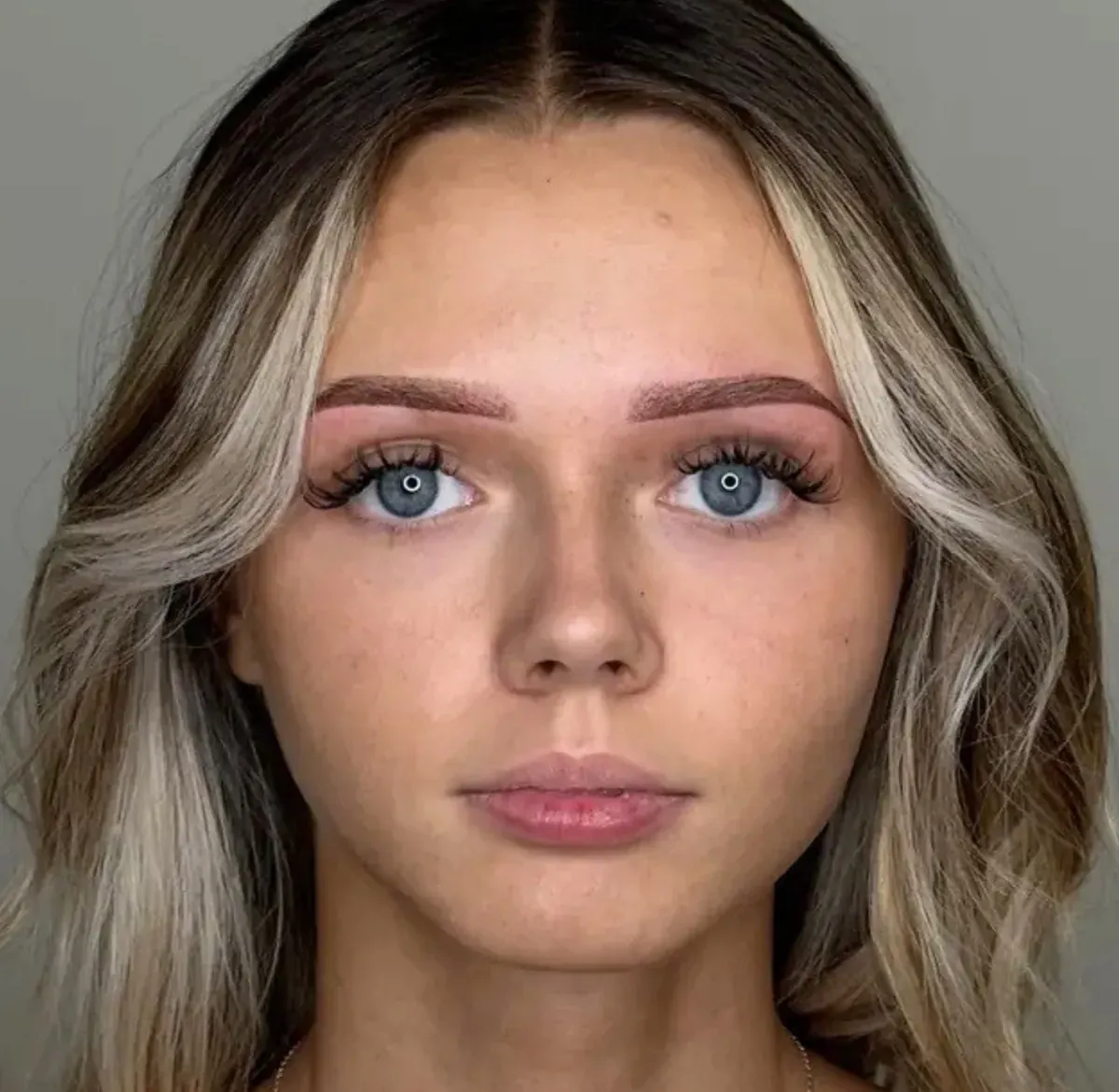
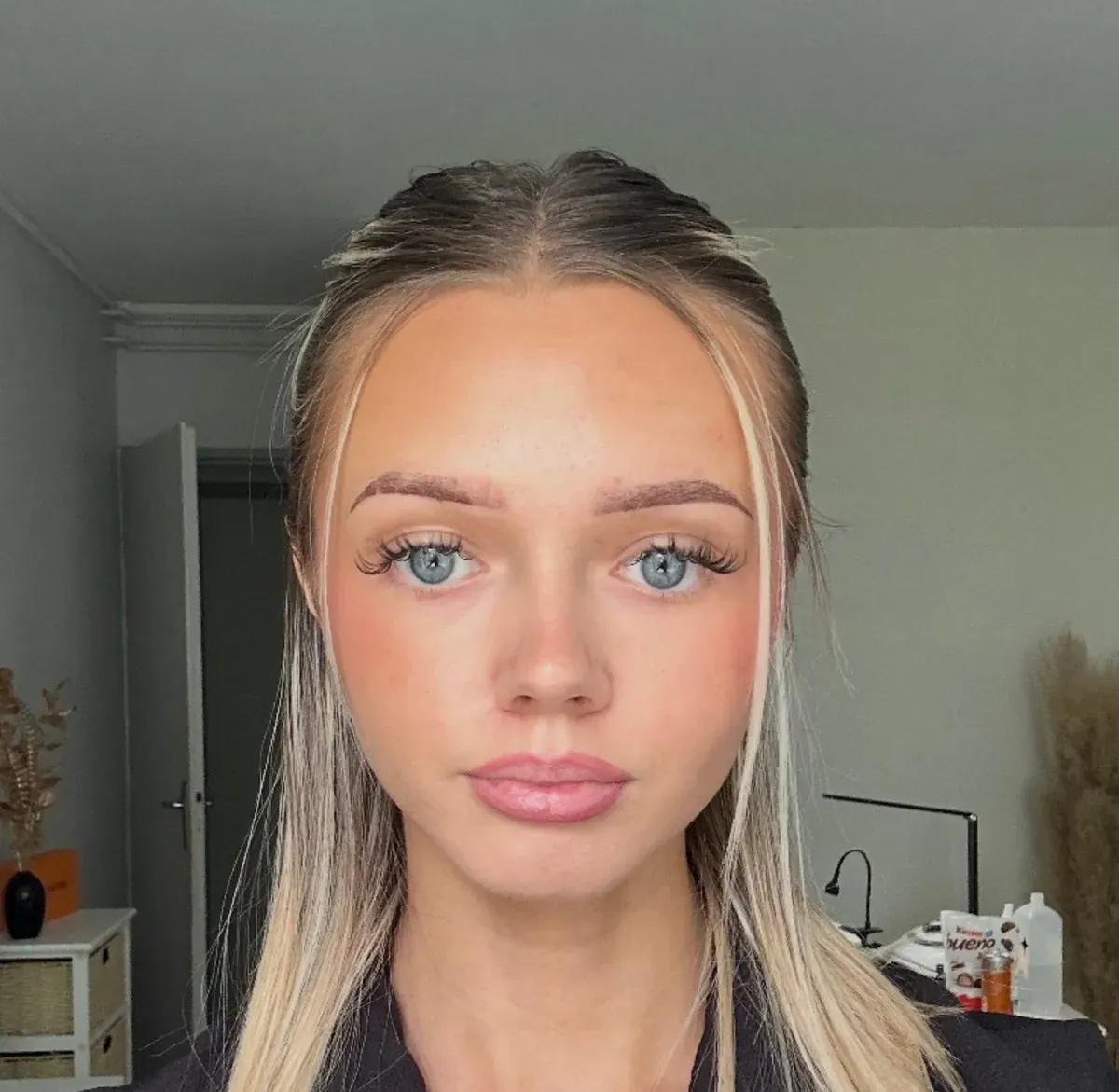

Then, over the years, the body gradually gets rid of the pigment: the result gets lighter until it disappears.
How long it lasts
It's called permanent makeup because it doesn't come off with water or makeup remover. Done with a light touch, it fades after an average of:
That's actually good news: your face changes, trends do too, and permanent makeup that fades can evolve with you (see how long permanent makeup lasts).
Permanent or semi-permanent makeup? The difference
People often use the two words for the same thing. Yet there's a real nuance: semi-permanent makeup fades, but in some cases it can become permanent.
| Semi-permanent makeup | Permanent tattoo | |
|---|---|---|
| Depth | Shallow: in the outermost layer of the skin, the epidermis | Deeper: in the dermis. It then becomes permanent |
| Duration | 80% faded after 3 to 4 years, until it disappears completely (1 to 2 years for freckles) | For life |
| The goal | A natural effect, with some transparency | Opacity, darker results |
| Touch-up | Planned 1 month later (1.5 to 2 months for lips) | Possible, but less extensive |
| Pigment | Mineral | Organic |
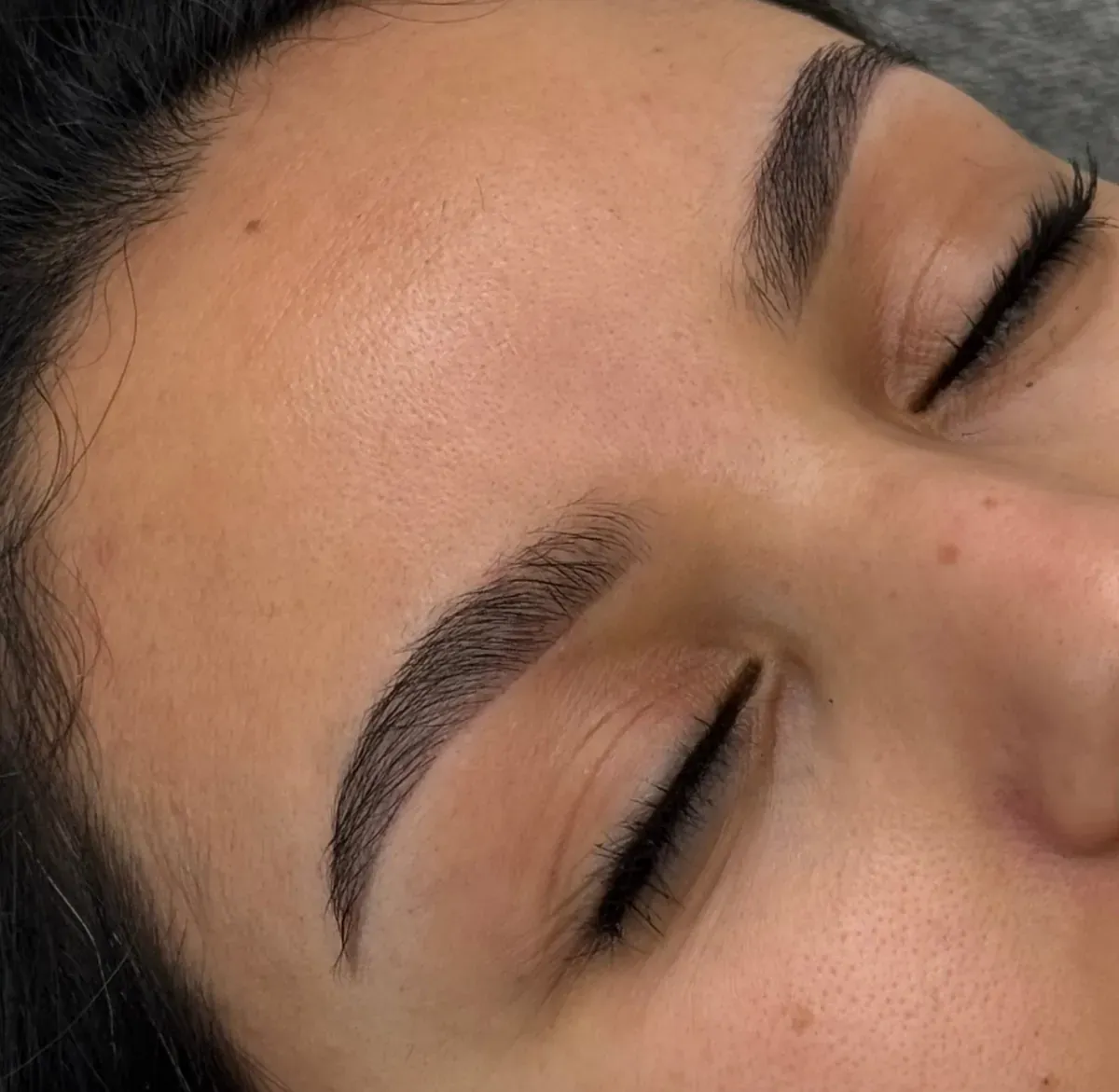
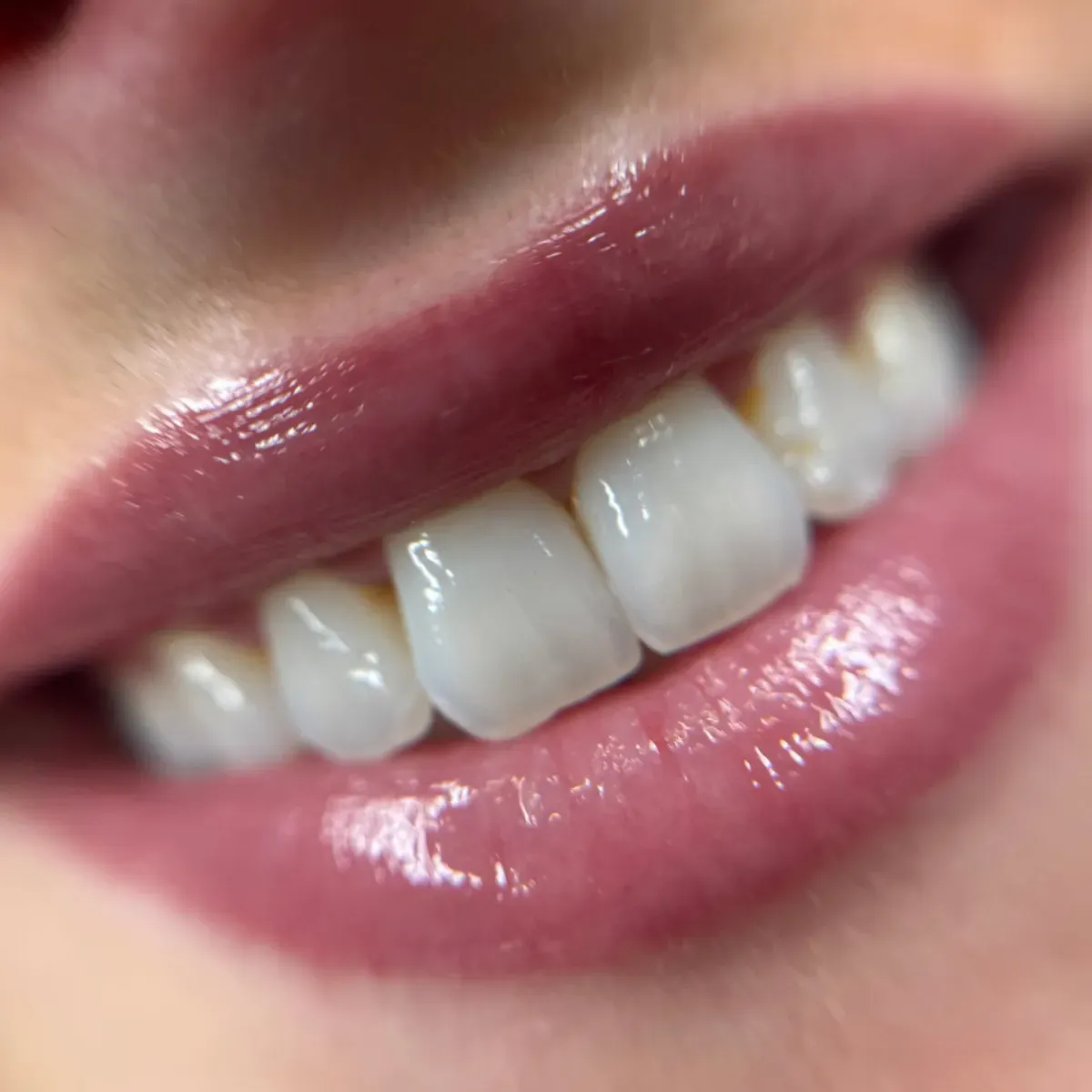
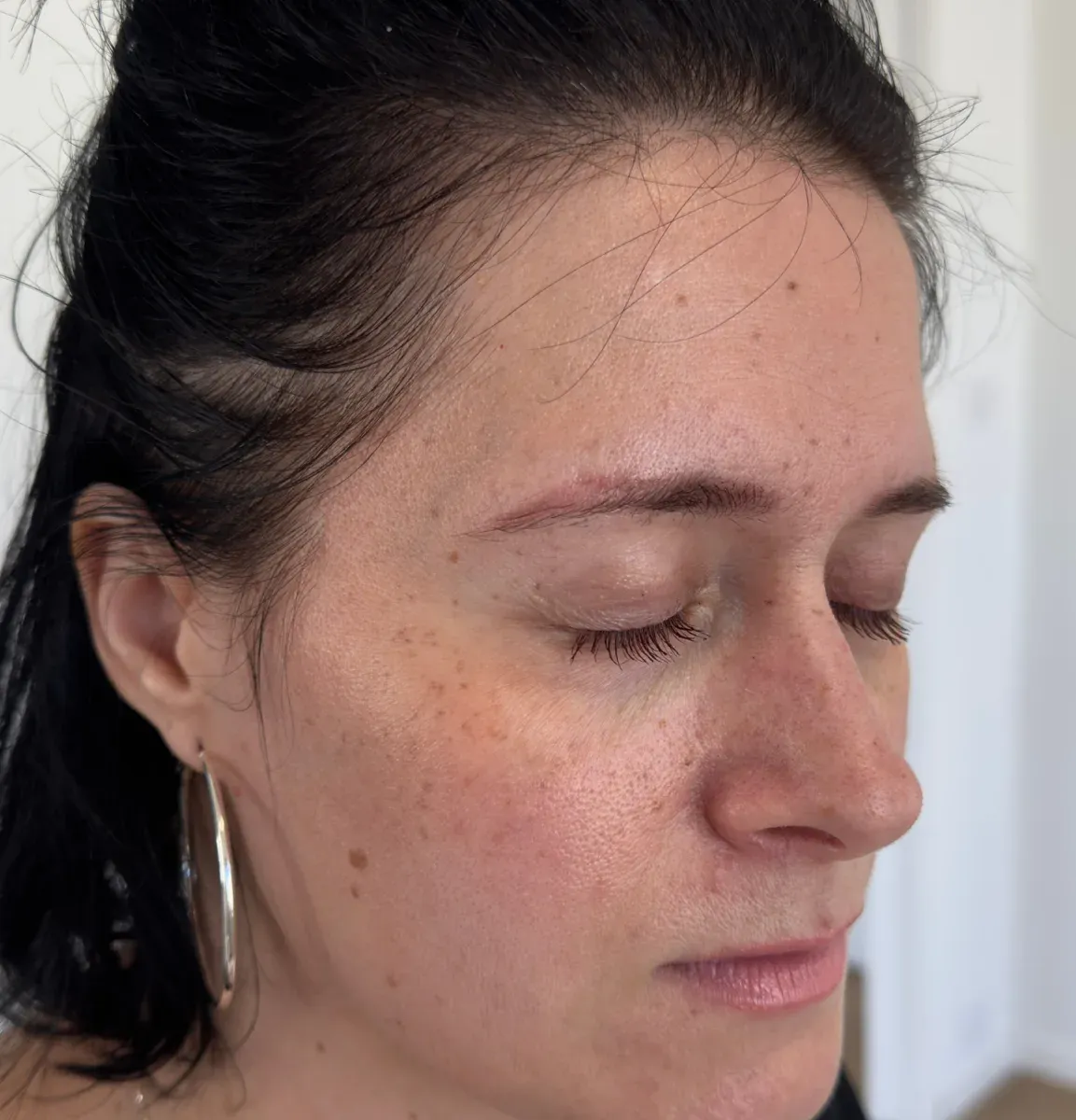
Careful: saturated skin holds on to pigment
The more a client insists on a darker result that shows more, the more she saturates her skin. It's like a glass of water: the more you fill it, the more it overflows. The more pigment there is in the skin, the more permanent the result becomes. Overloaded skin doesn't release pigment as much as lightly pigmented skin. It's the same principle for brows, lips and freckles: permanent makeup is all about a light touch.
Areas and techniques
Brows
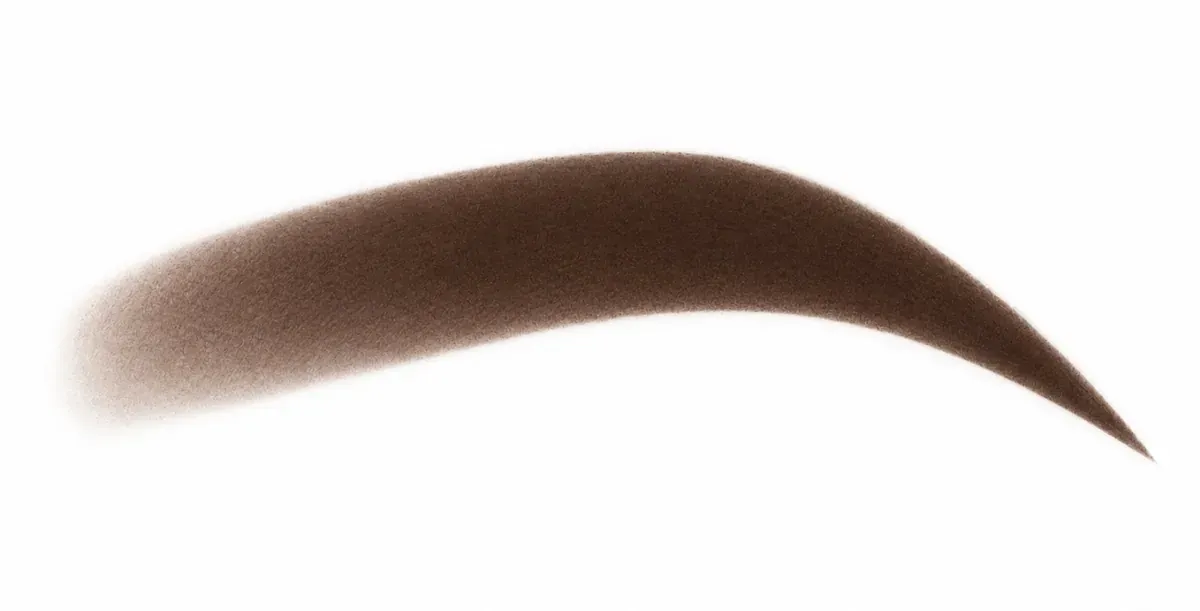
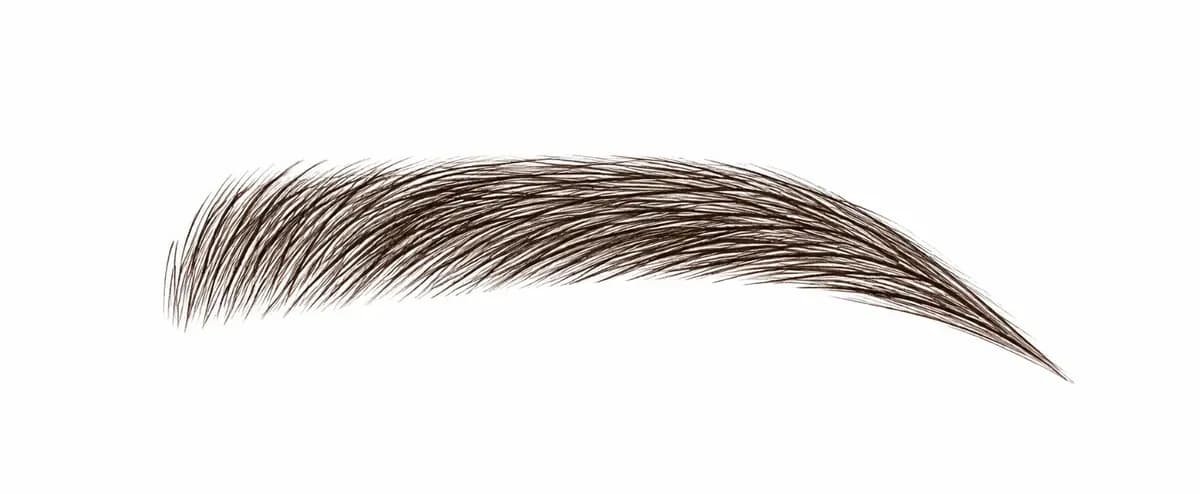
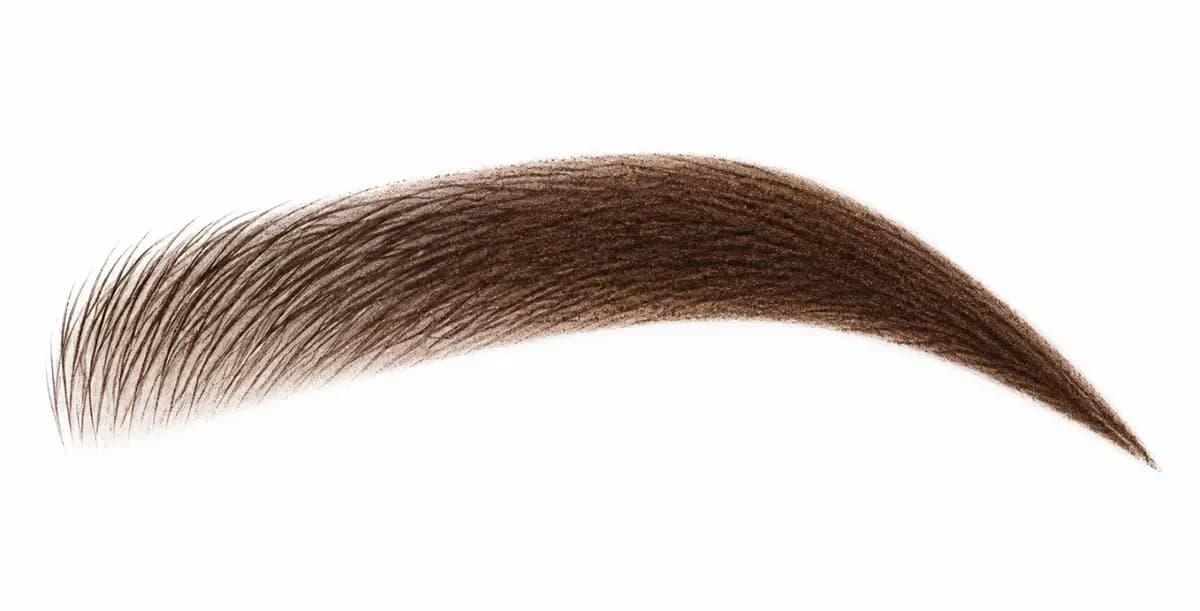
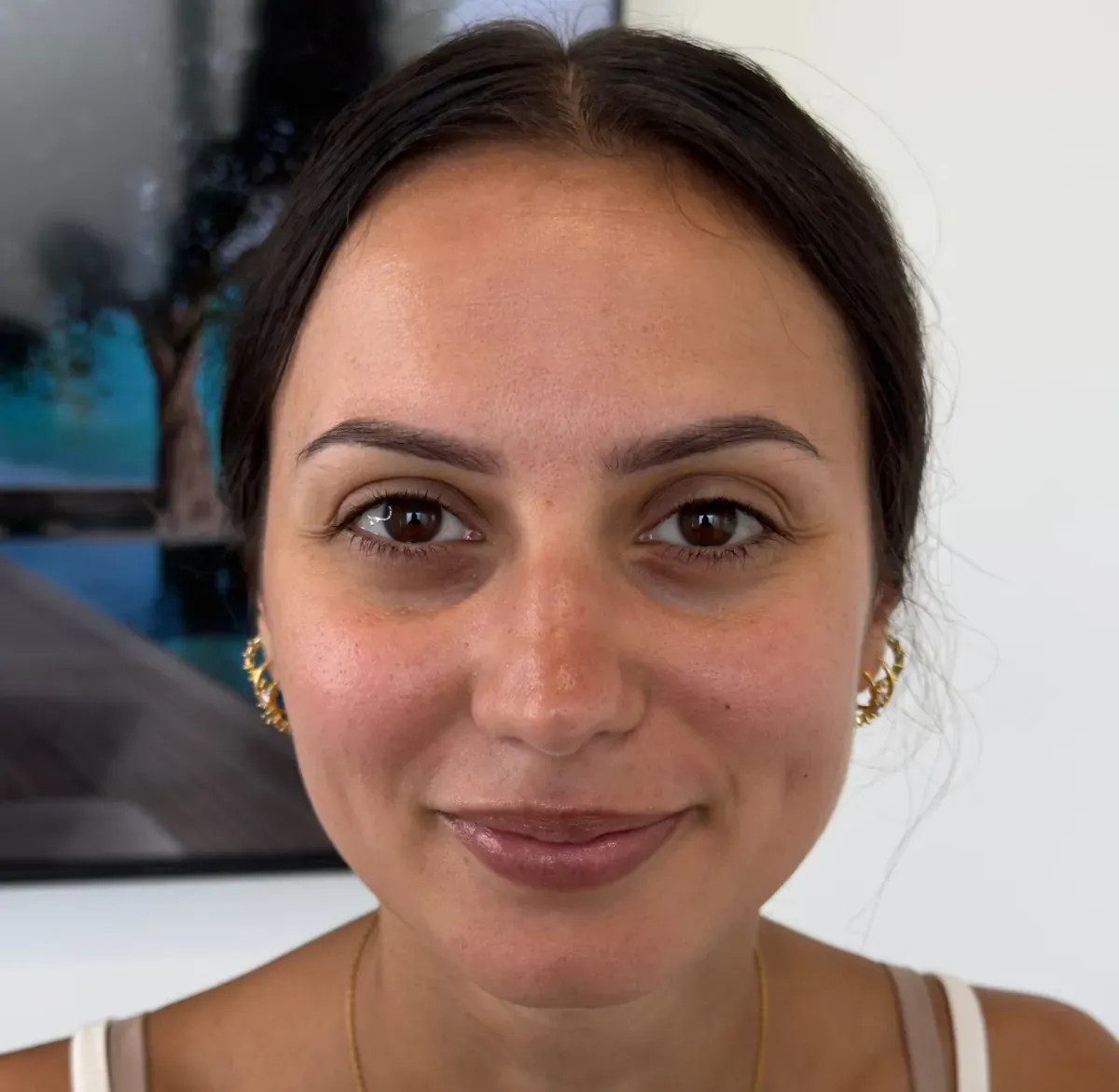
Powder brows are also called ombre brows or microshading: it's the same technique (powder brows vs microblading).
Lips
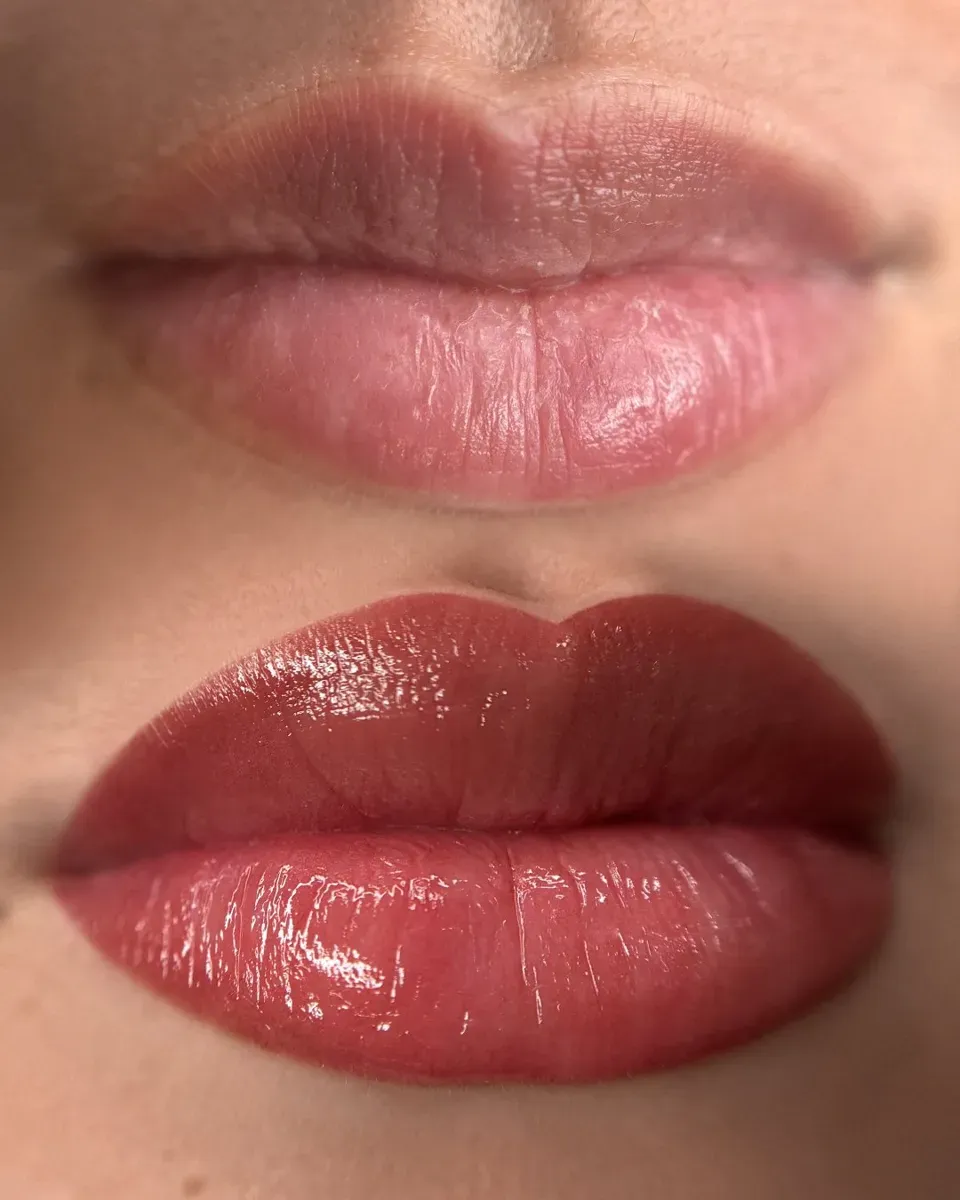
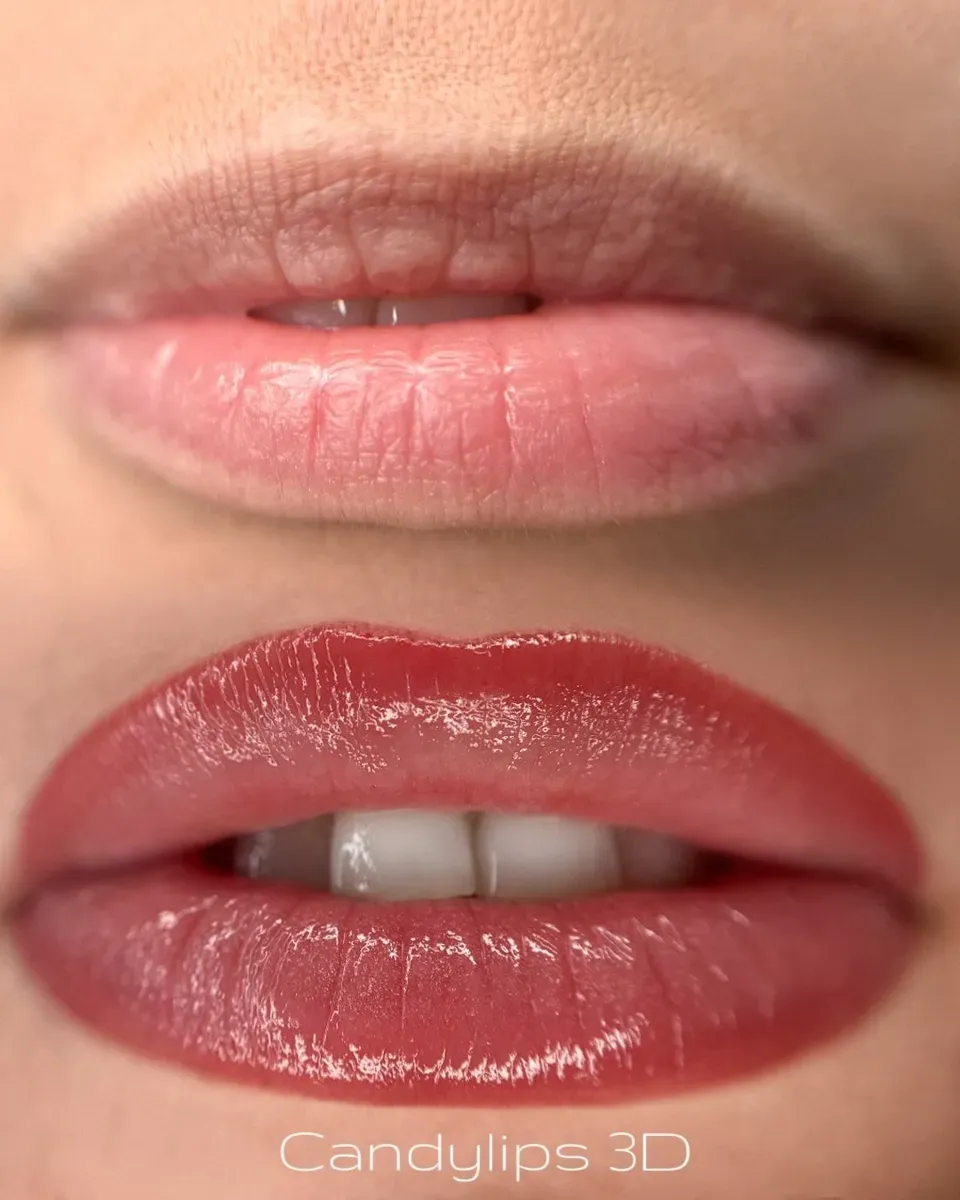
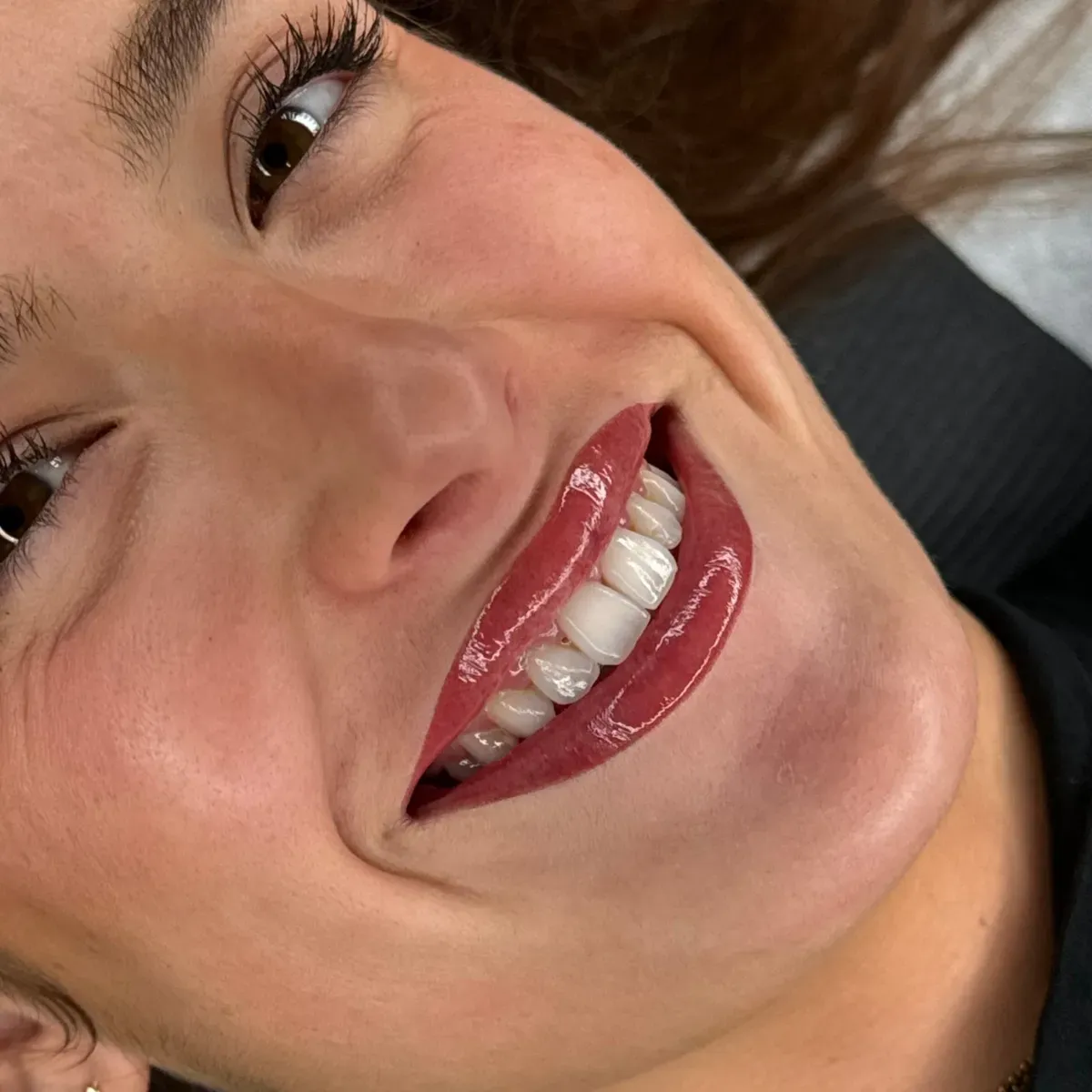
It's also called lip blush or BB lips. On dark lips, it's called lip neutralization (every permanent makeup technique for lips).
Freckles
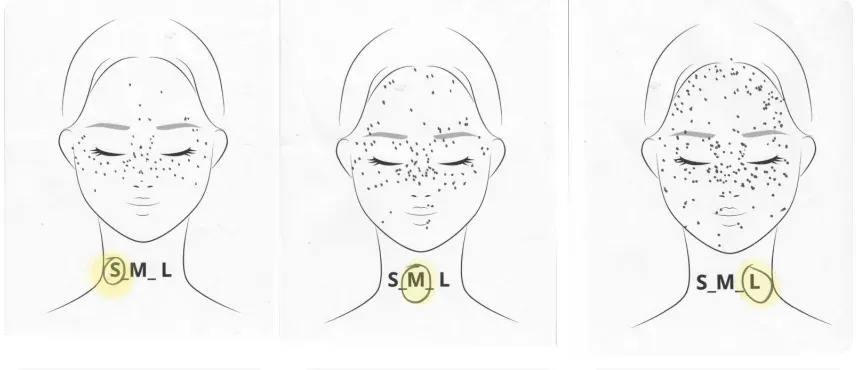
It's also called faux freckles (all about freckle tattoos).
A natural result: what makes the difference
Shape
It follows your face and features: we enhance, we don't transform.
Color
Chosen using color theory, based on your skin, and applied with a light touch so it fades without changing color.
A light touch
We never saturate the skin: a touch-up is better than an overloaded result.
Who is it for?
For anyone who wants to save time in the morning, correct an area they're self-conscious about, or feel good without makeup. There are a few contraindications (see is permanent makeup safe?): pregnancy, certain treatments and certain illnesses, skin in a flare-up.
The rules for the 10 days after your session
After the session, your skin heals. The rules for the first few days protect the pigment. They vary a little depending on the area, but the idea is the same:
| During the first few days | Why |
|---|---|
| 💧 No water on the area (brows: 7 days minimum, 10 days ideally; lips: 5 days; freckles: 24 hours) | Water softens the scabs and makes the pigment come out |
| 🧖 No sauna, steam room or pool for 10 days | Heat, steam and water |
| 🏋️ No intense workouts for 10 days | Sweat |
| 🤚 Don't touch or pick the scabs | They take the pigment with them |
| 💄 No makeup on the area | Hygiene and healing |
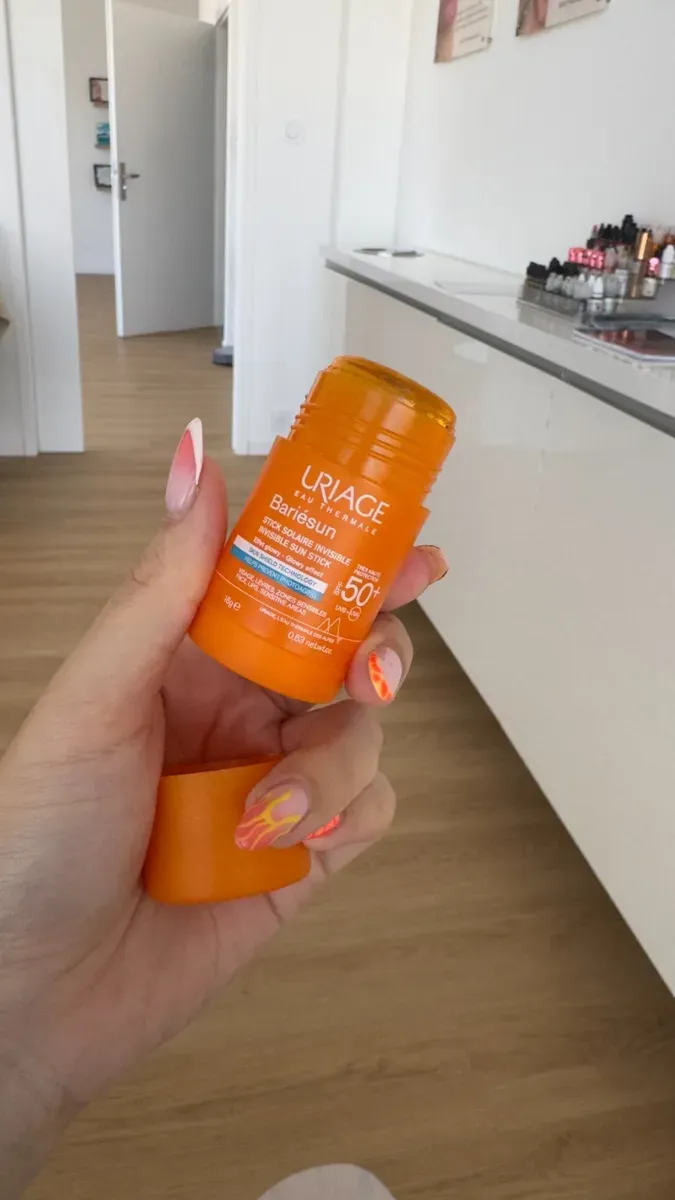
And for 1 month
No sun, and no acid-based or retinol products on the area. After that, protect your permanent makeup with SPF.
All the rules, area by area: permanent makeup aftercare.
Where to start?
- Choose your area and look at healed results.
- Check the contraindications.
- Book an appointment: consultation, drawing, color choice, session (see the permanent makeup procedure).
- Follow the healing instructions (see the PMU healing process).
- Get your touch-up about 1 month later (1.5 to 2 months for lips).
Frequently asked questions
None: they're two names for the same technique.
Not if it's done with a light touch: it fades over a few years. But skin saturated with pigment can make it permanent.
Semi-permanent makeup is shallow, sheer and fades (80% after 3 to 4 years, until it disappears completely; 1 to 2 years for freckles). Deeper or too heavily loaded, it becomes permanent.
Some of the pigment comes out during healing: the color gets lighter, then settles.
Yes, they're several names for the same powder-effect technique.
About 10 days for water, sauna, pool and workouts; 1 month for sun.

Written by
Habiba Med
Permanent makeup artist since 2019 and trainer, I share what I see every day in my studio to help you make the right choices.